

From A to Z: Tokyo
A city guide to getting a sense of Tokyo ‘according to us’.
A
Arigatō (see also dōmo arigatō – arigatō gozaimasu – dōmo arigatō gozaimasu – arigatō gozaimashita)
The word you will hear most in Japan. It means, thank you. One of the most beautiful ways of saying thank you in the world, it makes you feel good when you hear it, creates a desire to repeat it, and rolls around in the mouth.
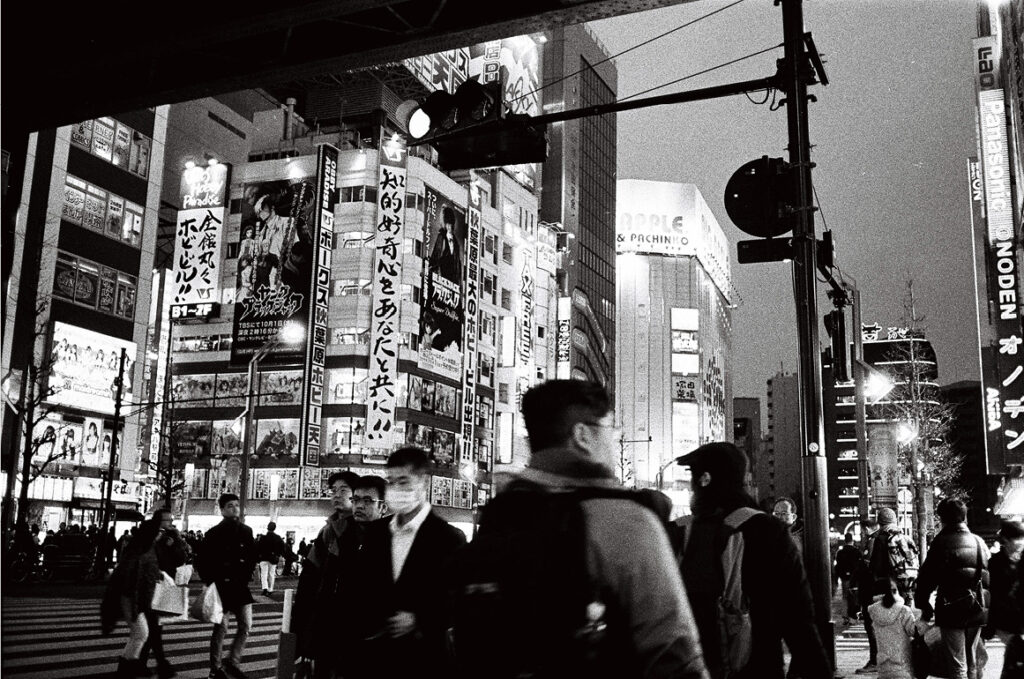
Akihabara
The electric heart of Tokyo where anime, manga and technology culture intertwine under neon lights.
Asakusa
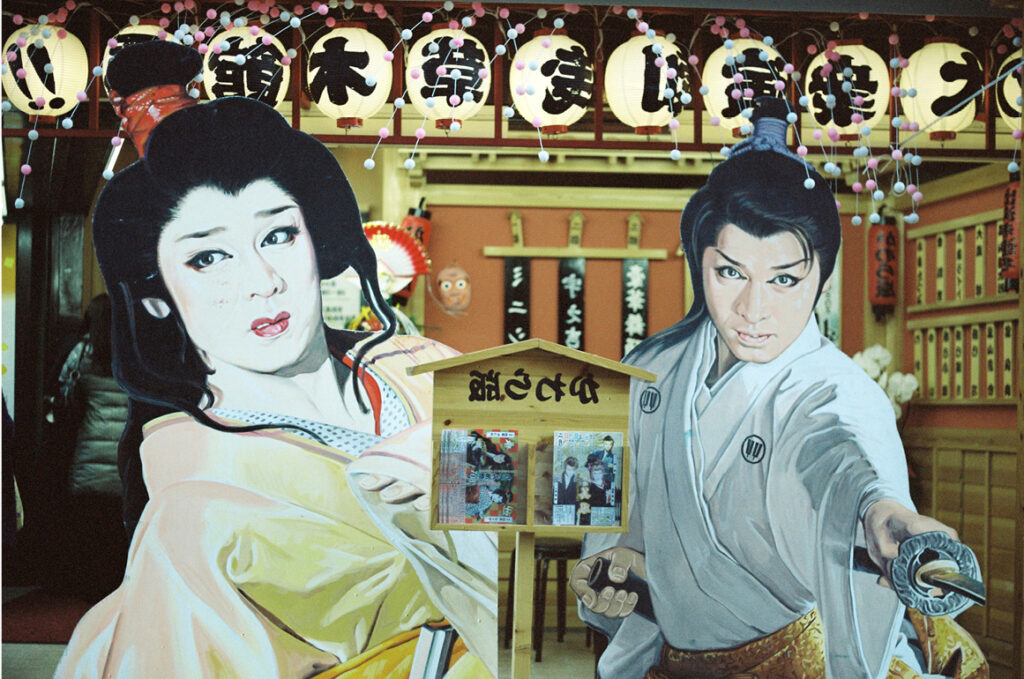
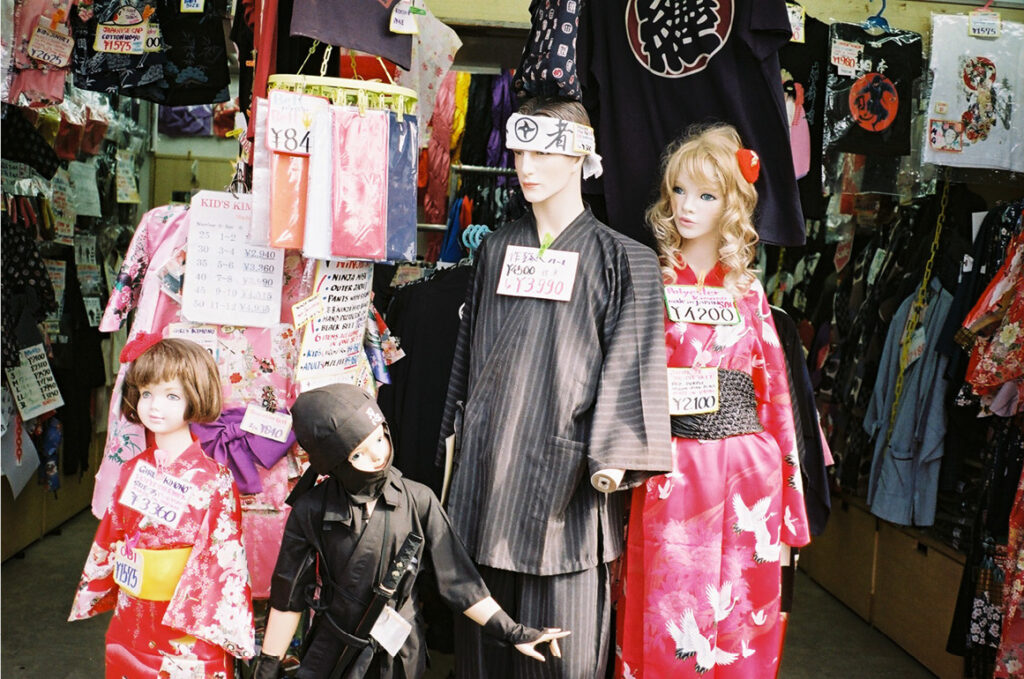
A neighbourhood we can call the “Sultanahmet of Tokyo”; home to Sensō-ji, one of the oldest and largest temples of the city.
Awa Odori
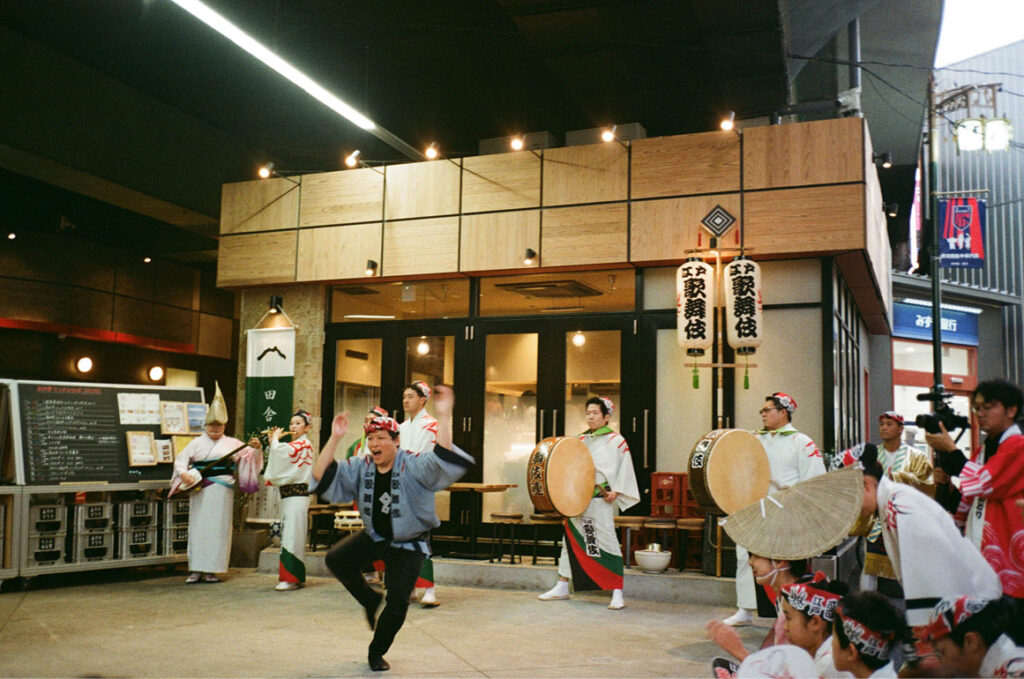
Originally a dance and the name of the dance festival specific to Shikoku Island. A traditional, hypnotic and crazy event. Every August, the festival is also held in Koenji neighbourhood and it’s an event that should not be missed.
B
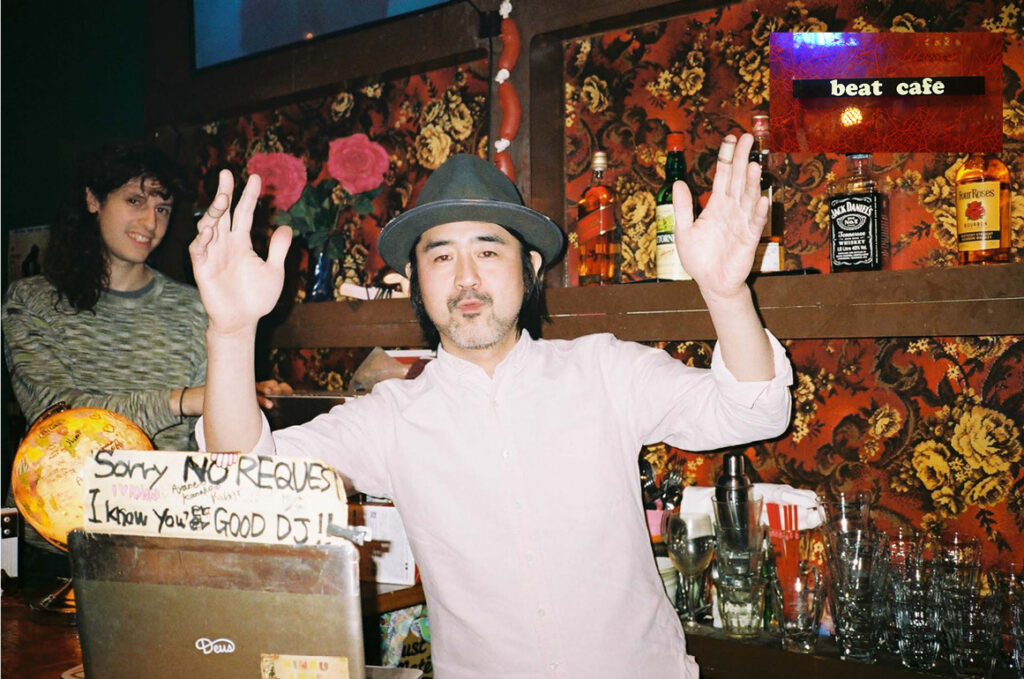
Beat Café
A bar located on the ground floor of a building in the back streets of Shibuya, run by Katoman, one of the well-known figures of the alternative music scene, where you have a high chance of encountering musicians who perform at the large concert venue complex O-Est located right next to it.
C
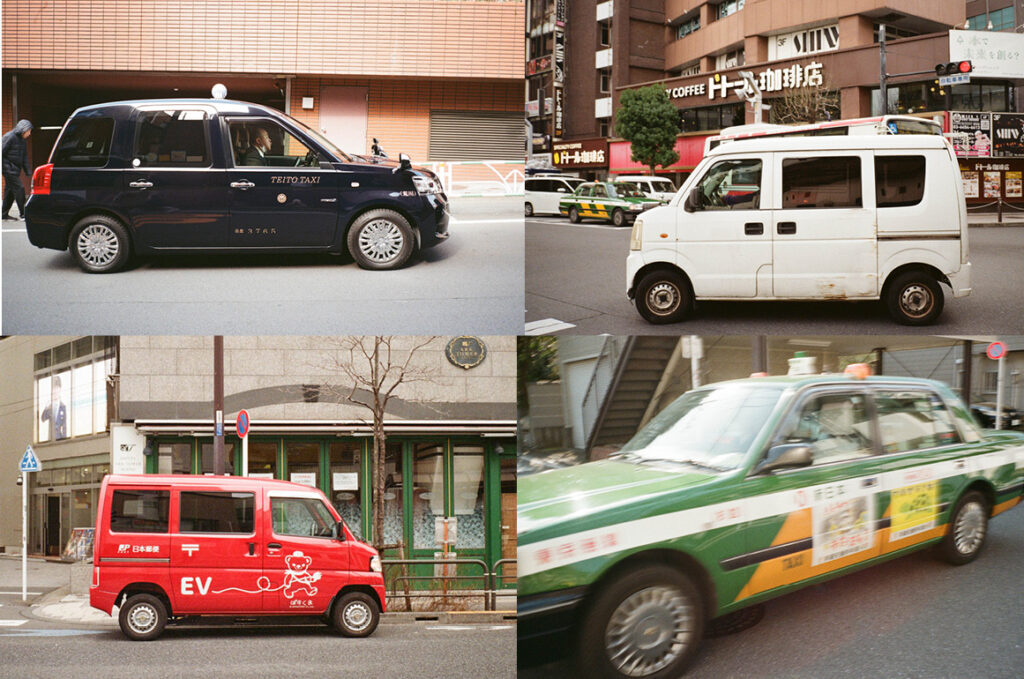
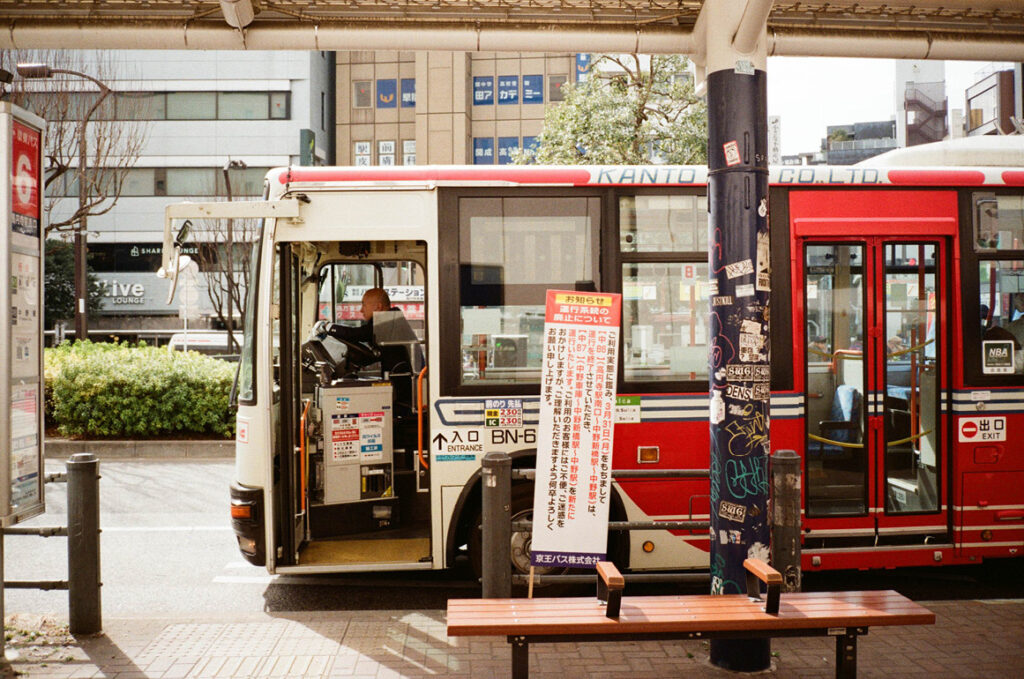
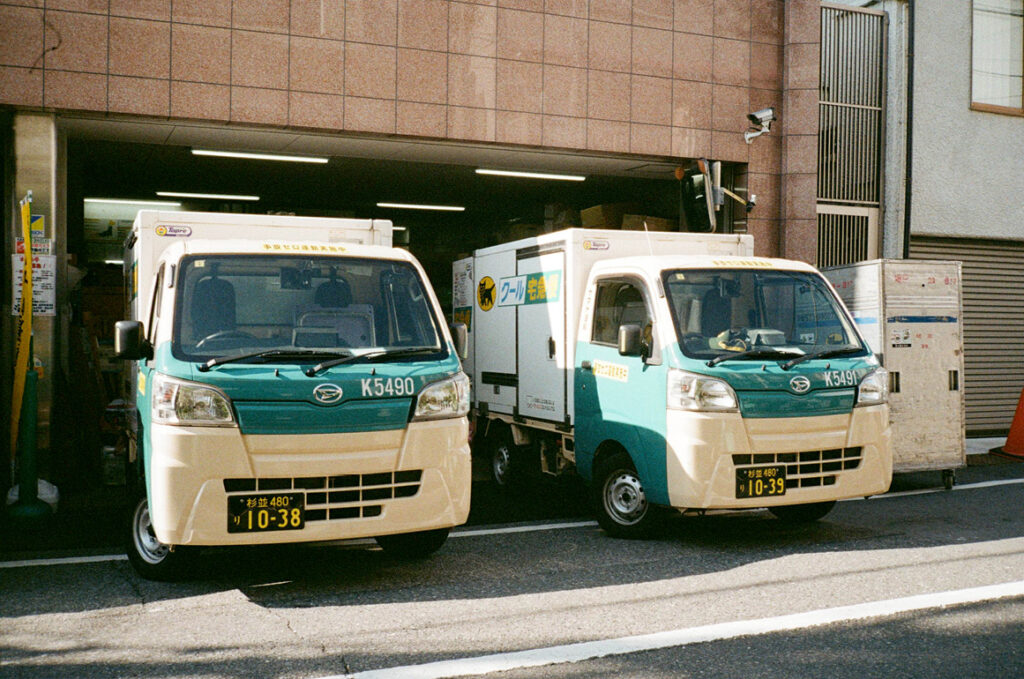
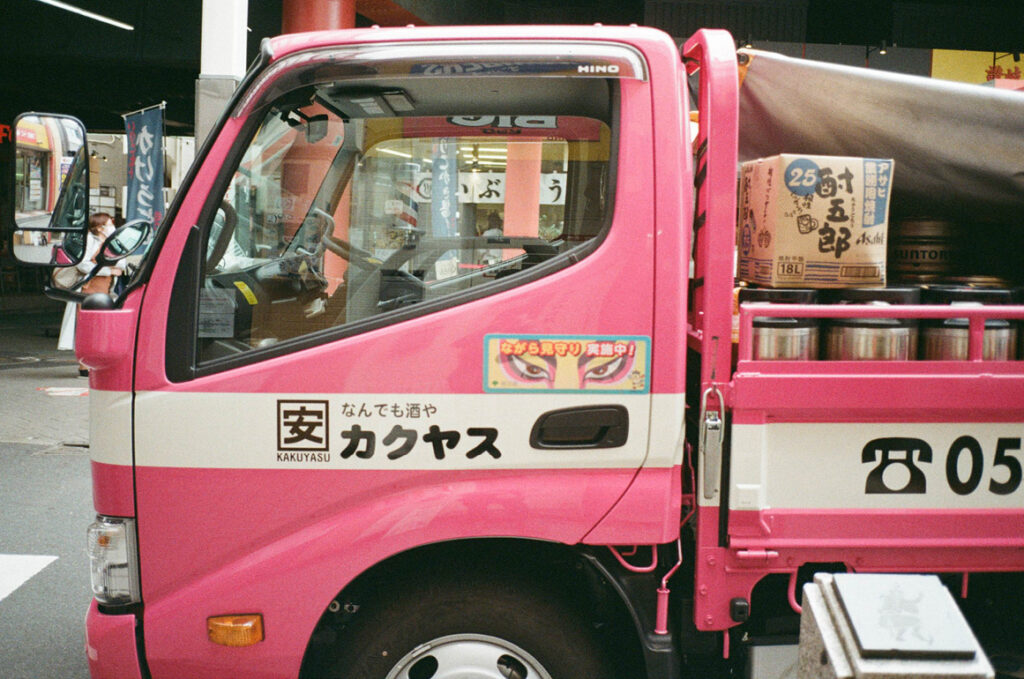
Cars
When it comes to cars, everything stops in Japan. Nissan, Toyota, Subaru, Mitsubishi, Suzuki, Honda and Mazda. But the most interesting part is the small and oddly sized vehicles produced specifically for Japan that you can only see in their own country.
Cat Street
One of the hippest shopping streets of Omotesando and Tokyo. Despite the intense shopping call created by boutique shops spread across narrow streets connected to each other, this area has a calm atmosphere. You can relieve your tiredness at Bio Ojiyan Cafe.
Chūō Line
The name of one of the coolest train lines in Tokyo. Starting from Shinjuku, this line passes through neighbourhoods such as Nakano, Koenji, Nishiogikubo and Kichijoji. These neighbourhoods offer local and alternative cultures that flourish outside the classic tourist circle of Tokyo.
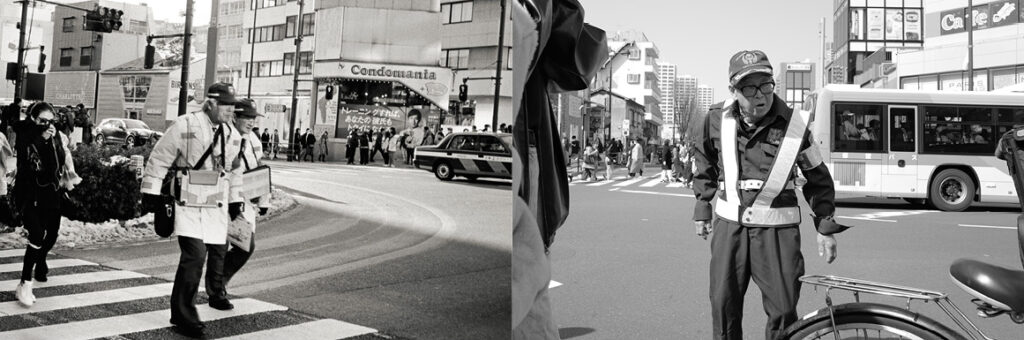
City Workers
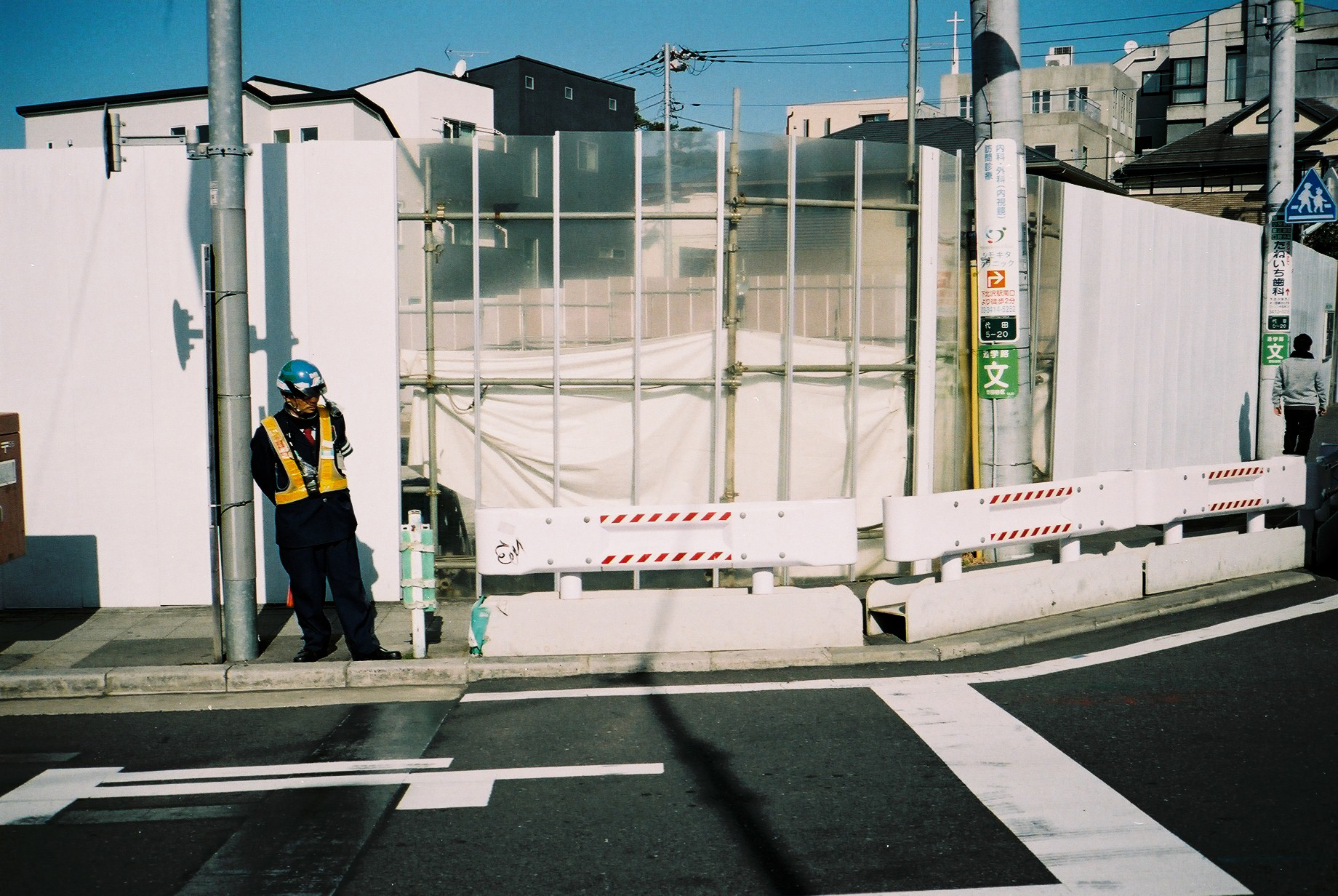
Running a city like Tokyo, ensuring that it does not lose its functioning and keeping it clean is, as you can imagine, a very difficult job. From officers to laborers, the diverse workers you encounter in their various uniforms play a massive role in keeping Tokyo’s life running smoothly. Whether it is pruning a tree, controlling a garage exit on a busy sidewalk, cleaning the streets or building a new but small house, the Japanese take every job they do very seriously. It is impossible not to notice their costumes and the importance they put in their work. This is one of our favourite details about Tokyo.
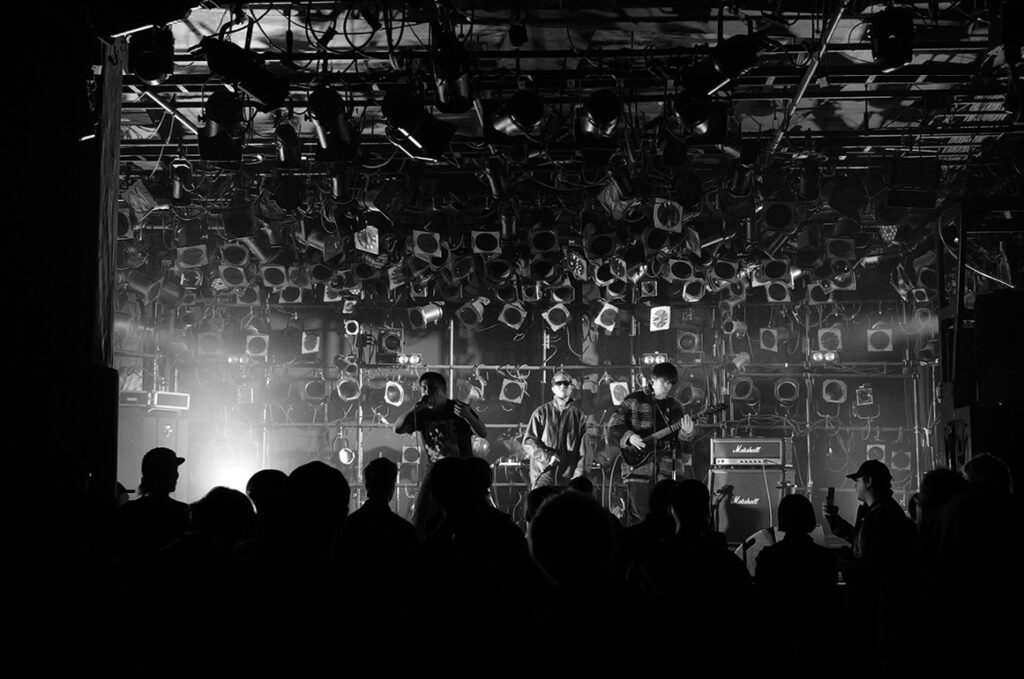
Club Quatro
A very nice concert venue located in Shibuya. Keeping an eye on their schedules is highly recommended.
Curry
Curry is one thing; Japanese curry is another. Curry, brought to Japan by the British in the 19th century, has evolved into a form suitable for the Japanese palate over time. Japanese curry is darker, sweeter and denser compared to its Indian ancestor. So don’t ask, “Why should we eat Indian food in Tokyo?” and experience Japanese curry.
D
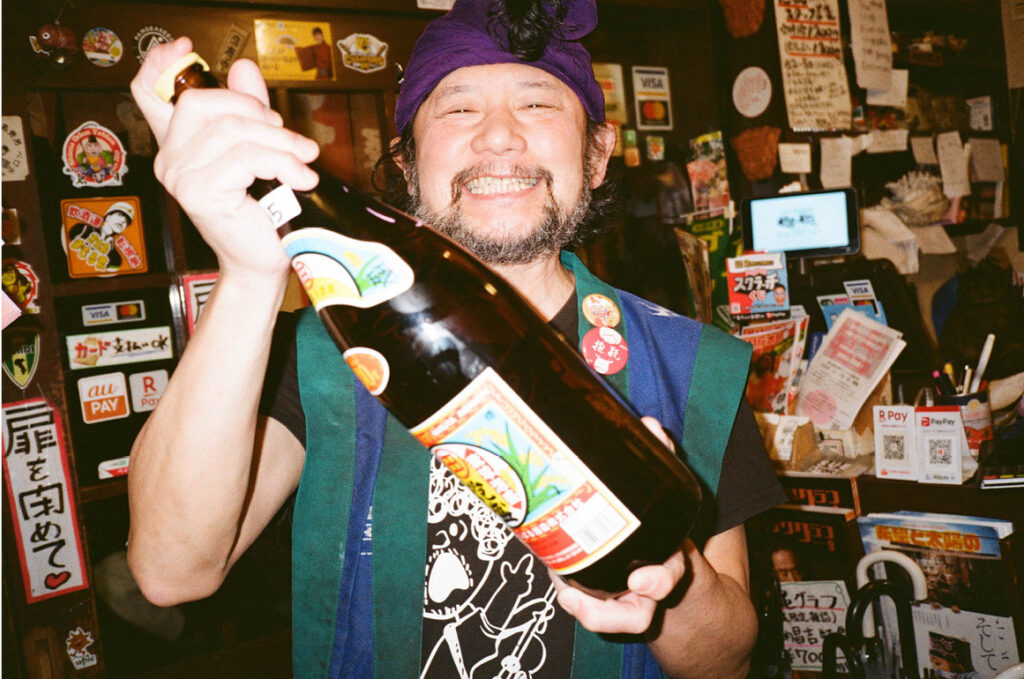
Dachibin
An Okinawa restaurant located in the Koenji neighbourhood. The reason it deserves to be included in this list is that it is one of our personal favourites. With drawings, posters and old photographs decorating the walls, sweet Okinawa music playing in the background, and its lovely staff, this is a special place. The person you see on the cover of Bant Voyaj – Tokyo, High Taro, also works here.
Disk Union
Whether new or second-hand, whether vinyl or CD, or music products you will not encounter elsewhere, Disk Union, a chain of music stores spread across different neighbourhoods of the city, is one of the must-visits of Tokyo for music lovers. Keeping in mind that each Disk Union store has a different concept and selection, you can find the one that suits your taste best with a little research.
Don Quijote (Donki)
One of the most chaotic and most entertaining shopping experiences in Tokyo. A chain store open 24 hours, where everything you can think of exists on top of each other, underneath each other, in narrow corridors. One of Japan’s most famous “discount” chains. In these stores, known as Donki among the public, you can find cosmetic products, snacks, suitcases and all kinds of ridiculous items. It will take at least a few hours of your time. Of course, if you can tolerate the famous Donki jingle that plays non-stop in the background. A complete brain melt. Attention! Let us add that even Bruno Mars has appeared in a Donki commercial.
E
Eggs’n Things
No matter how much you love Far Eastern dishes, after the first few days you will crave a breakfast with familiar flavours. However, Japan does not have a breakfast culture, or even an egg culture, in the sense that we know. Therefore, you may find yourself in search of a breakfast that will keep you full throughout the day. Eggs’n Things, located in Omotesando, a Hawaiian breakfast place (Hawaiian culture is quite popular in Japan), can satisfy this need. It is a bit touristic, but at least you feel like you have had a solid breakfast.
Eki Stamp
Every train and metro station in Tokyo has its own logo. If you look around near the staffed areas at station entrances and exits, you’ll spot a stamp. With a small notebook you can get specifically for this purpose, you can stamp the logo of each station you visit and create your own little Tokyo souvenir collection.
F
Forest Limit
This small club and performance venue located in the Hatagaya neighbourhood is a wonderful gateway to Tokyo’s underground music scene. It can be tried to discover new things and to have unforgettable experiences.
Fujiya Store
Photography enthusiasts should definitely visit the Fujiya shop in Nakano. Whether first-hand or second-hand, analog or digital, a more compact camera experience awaits enthusiasts with knowledgeable staff.
G
Ghibli Museum
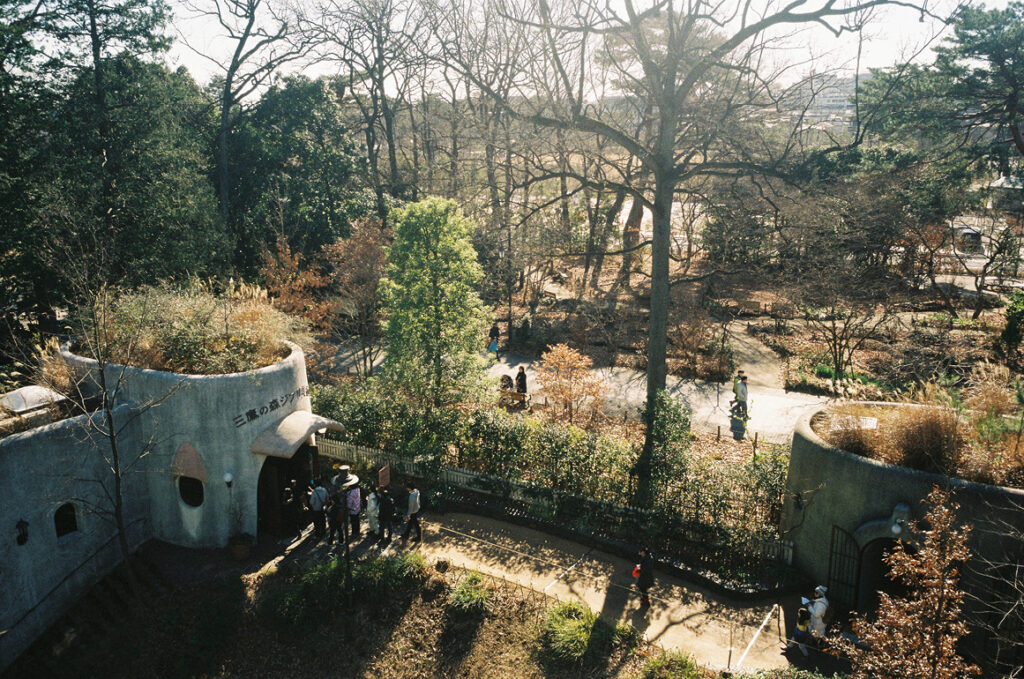
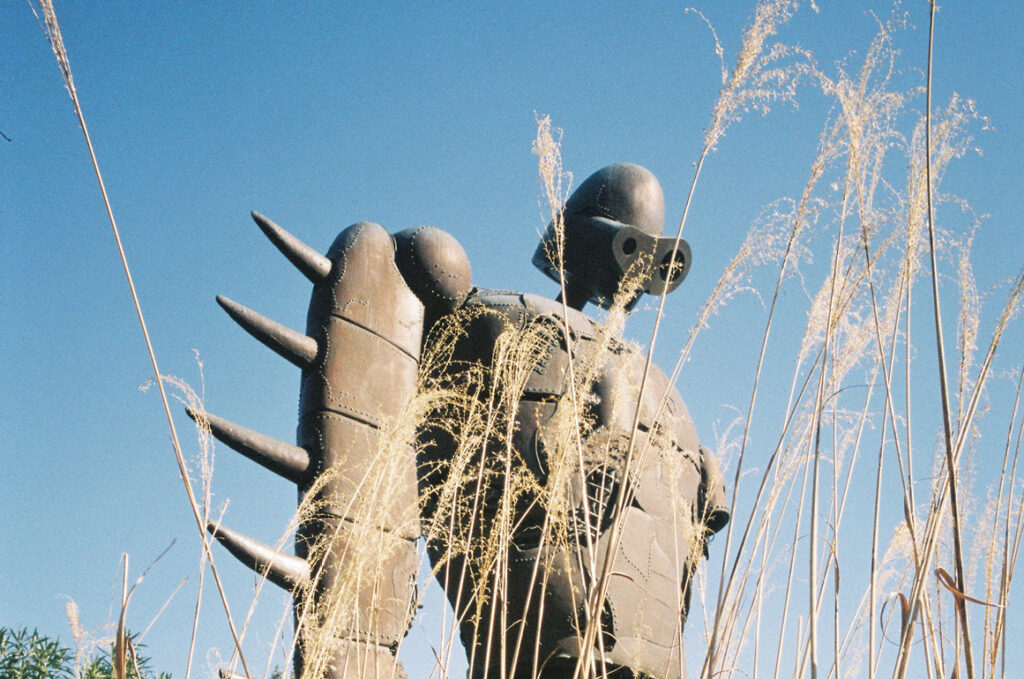
Miyazaki fans will of course not leave Tokyo without seeing this place. However, do not miss this detail: you need to buy your ticket online in advance, sometimes even well in advance. The museum is right next to Inokashira Park. The two experiences can be combined.
Ginkgo
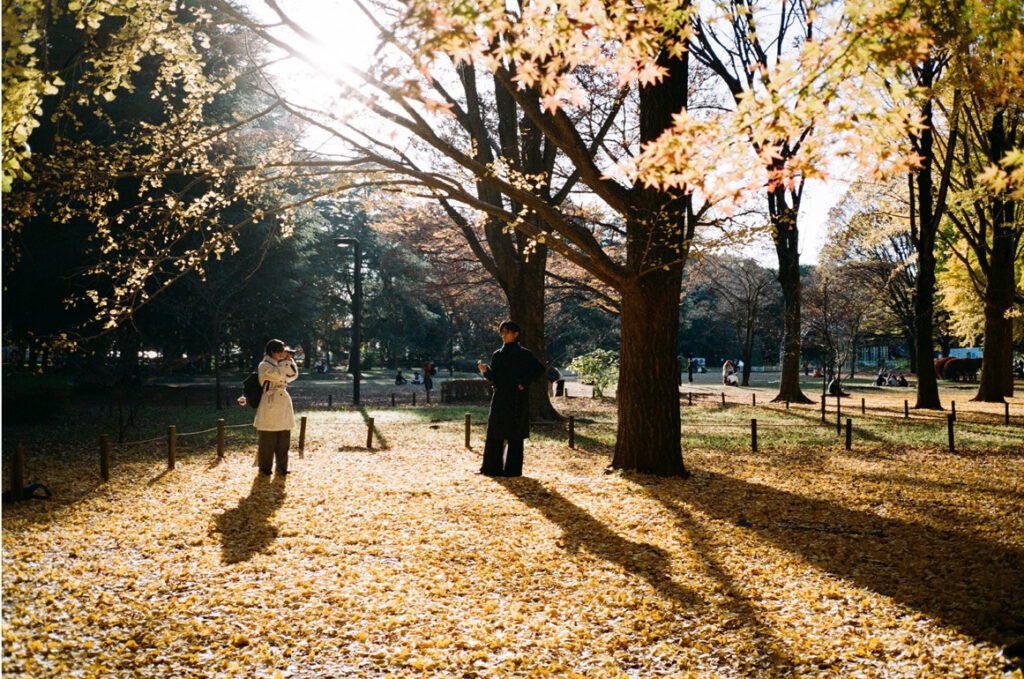
Although Tokyo boasts the cherry blossoms that bloom in spring, namely Sakura, autumn has a very beautiful answer to spring. Ginkgo trees growing in many parts of the city turn bright yellow around November and create a magnificent view. The best place to experience this period when the ginkgos turn yellow is Yoyogi Park. Also, the ginkgo tree has an edible fruit similar to chestnut or hazelnut.
Gachapon
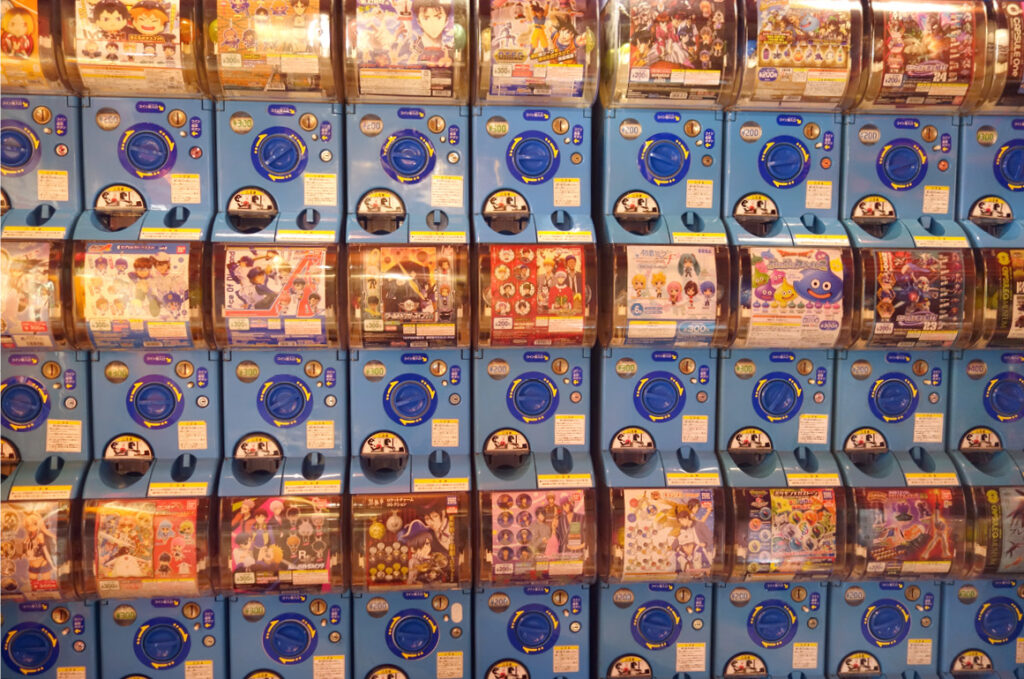
Gachapon is a madness, an addiction. These capsule toy or figure machines that you encounter in almost every metro station, every shopping mall or unexpected corner of the city are a very important part of daily popular urban culture. There are hundreds of series that are renewed at certain intervals and there are on average five figures in each series. You put in roughly 100-150 TL, turn the handle and whatever comes is up to your luck. Gachapons are not only very fun but also a complete collector’s trap. It is addictive, be careful!
H
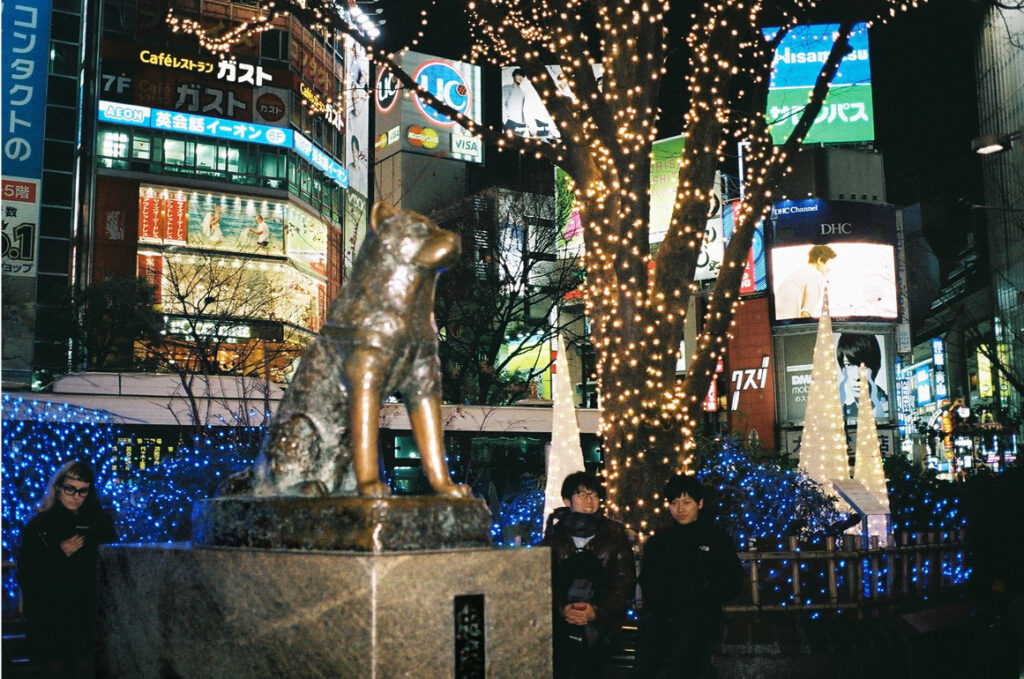
Hachiko
The famous dog Hachiko, about whom films have been made and novels have been written, and the statue created in his memory. The statue is right next to the Hachiko exit of Shibuya metro station. We recommend that you read the story of the dog and get into the queue to see this statue.
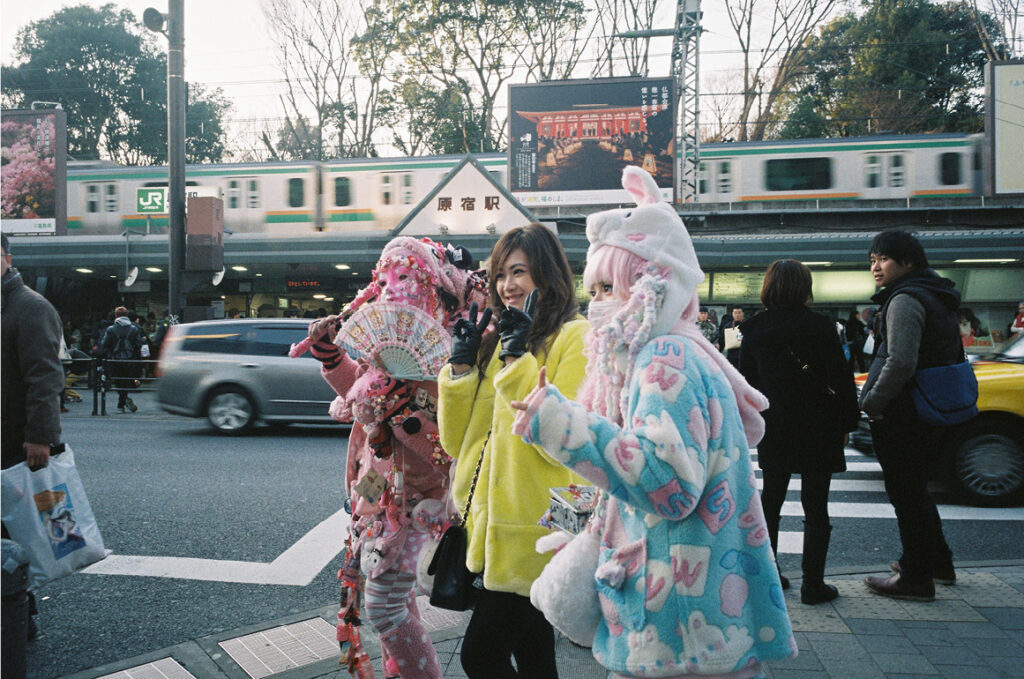
Harajuku
The center of Tokyo’s youth culture, street fashion and the idea of “creating your own style.” A neighbourhood that has influenced the global fashion scene since the 1990s and created the Harajuku Style concept. Although it has become extremely touristic and commercial today, Harajuku deserves a day. You cannot say you have been to Tokyo without passing through Takeshita Street, the center of Harajuku.
Highball
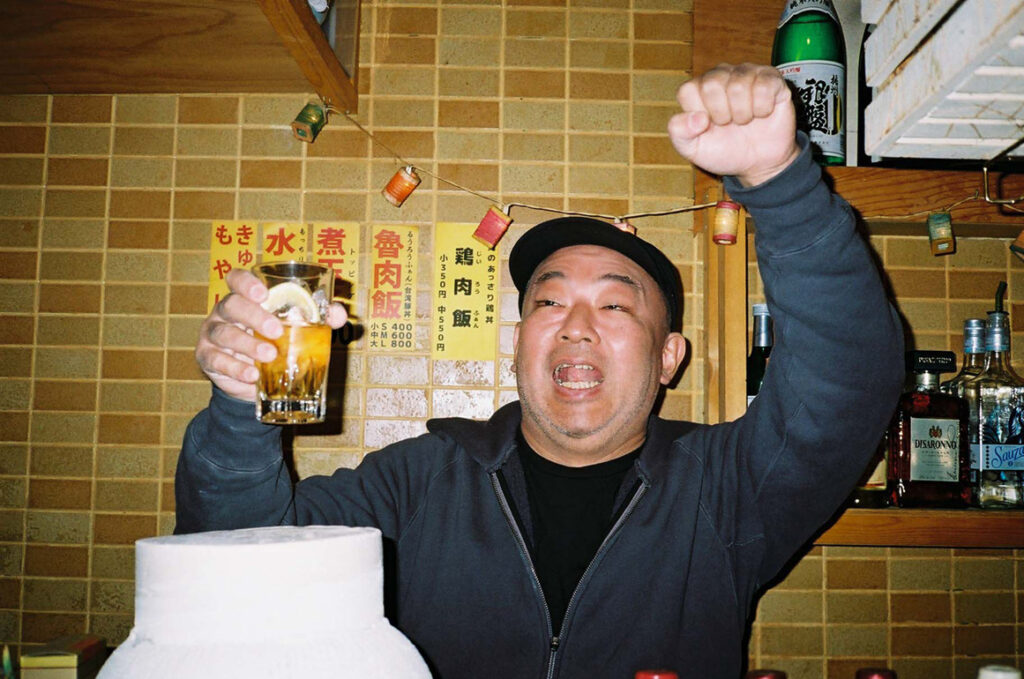
Tokyo’s simplest, most every day and refined drinking ritual. A little whisky, plenty of soda, plenty of ice and a slice of lemon or lime. Low alcohol, refreshing and cheap. You can find it everywhere, in bars, izakayas and even konbinis.
Hyakuen Shoppu
Literally “100 Yen Shop.” These stores, spread across every neighbourhood of the city, are concept shops where you can find all kinds of products that may be useful in daily life and that can come to your rescue when you think about what small gifts to buy. Daiso, Seria and CanDo are the most popular chains of this concept.
I
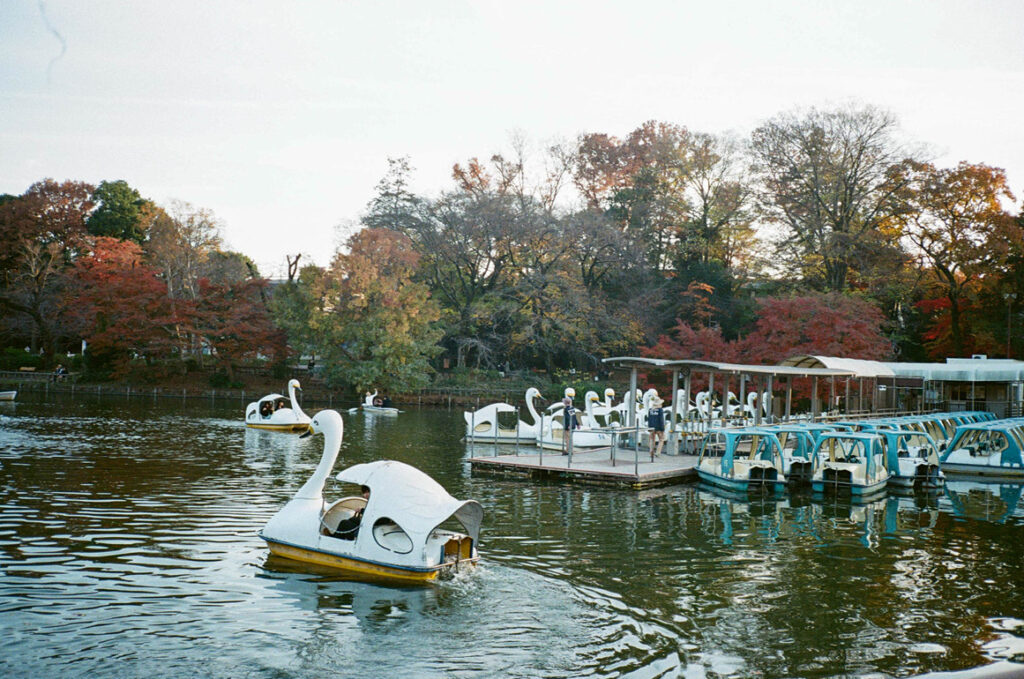
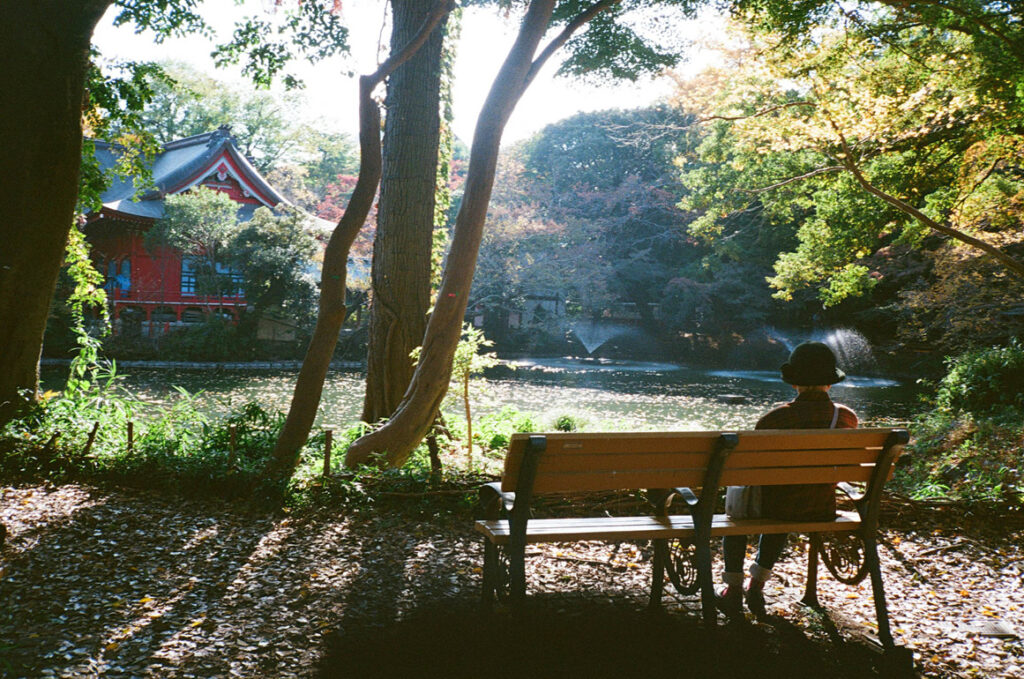
Inokashira Park
A very beautiful park located in the Kichijoji neighborhood. There is an artificial lake in the middle and you can take a ride on swan-shaped pedal boats similar to those in İzmir Kültür Park. At the entrance of the park there is a zoo, and at the eastern end, by the lake, there is a small but impressive temple dedicated to culture and art.
Itoya
If you are a stationery addict, this is your sanctuary. This multi-storey stationery store located in the Ginza neighborhood has been active since 1904. In fact, calling Itoya a stationery store would be an understatement. It is a universe full of premium pens, incredible products and papers that you will want to buy and take with you even if you don’t know what to do with them.
Izakaya
Izakayas are the most traditional, most delicious and most special places in Japan. In fact, we can say they are the exact equivalent of tavern culture in our country. The city is full of large and small izakayas. Some are old-school and shabby; some are high-end and innovative. Just like Istanbul. But in Tokyo, one of the first and then most frequent things you will do is to expose yourself to the culture of food, drink and socialization by going to as many izakayas as possible.
J
Jindai-ji Temple
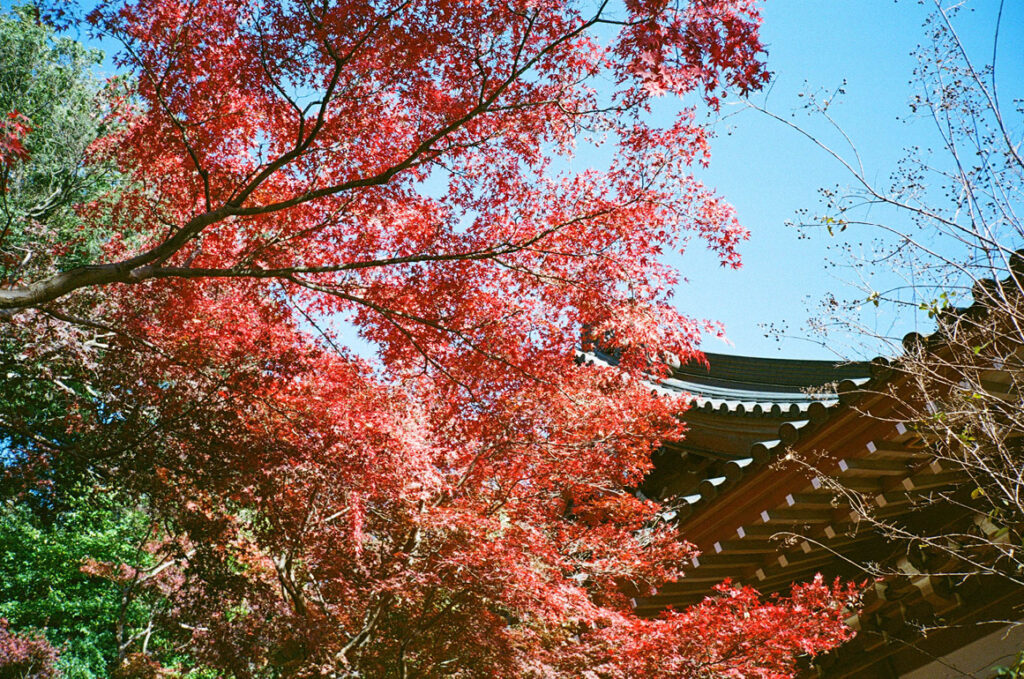
Located on the western side of the city, Jindai-ji is the second oldest temple in Tokyo. With the small shops around it, waterways and zen gardens, it is truly a mystical feast. But its real beauty is that it offers a small escape from the city with the forest area surrounding it. After visiting the temples and satisfying yourself with history and mysticism, you can take a short walk to the top of the small hill in the area and eat at the soba restaurants there.
K
Kabukichō
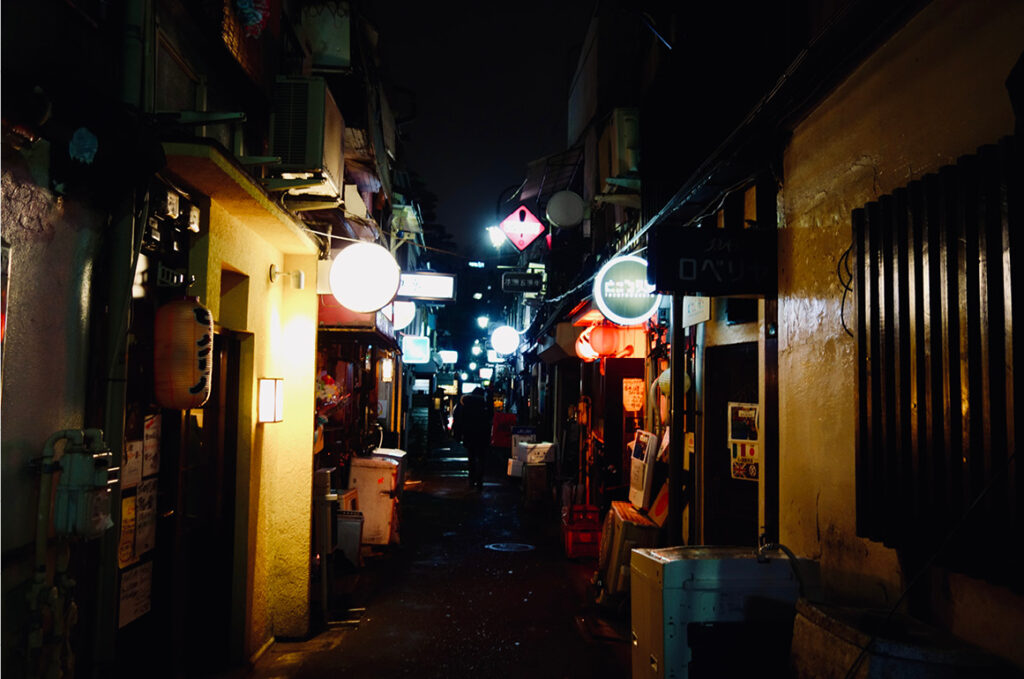
Tokyo’s nightlife and Red Light district. A district that never sleeps with neon lights, narrow streets, bars and “love hotels.” Tokyo may be one of the safest cities in the world, but it is useful to be a little careful here. If you happen to get into trouble with a Yakuza, which is a very small possibility, this is where it would happen.
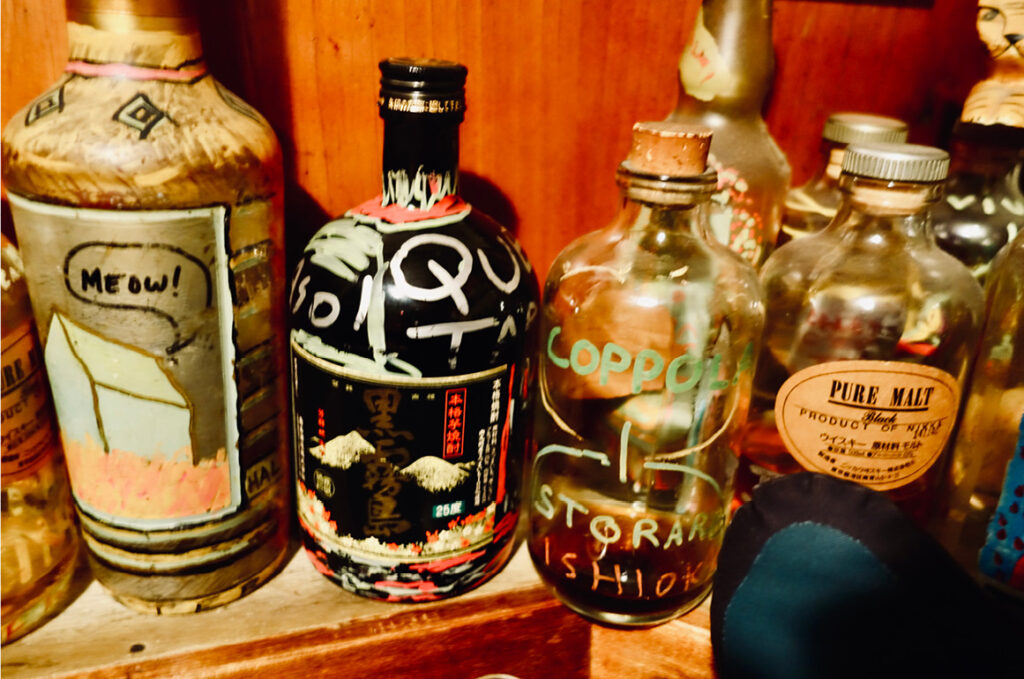
One of Tokyo’s most famous and touristic nightlife spots, Golden Gai is located here. This small area, packed with dozens of tiny bars that can hold 5–10 people, used to be a center of black-market activity, gambling, and prostitution after World War II. Over the years, it evolved into a hangout for writers and artists, and eventually into a popular nightlife destination. Some of the bars won’t let you in if you don’t speak Japanese. Don’t take it personally—they’re not entirely wrong. The owner probably doesn’t speak English either and may not want to fill their tiny space with people they can’t communicate with. In Golden Gai, places like Le Jetée—where famous directors such as Tarantino and Sofia Coppola have spent time, and where signed bottles decorate the walls—and Nightingale, dedicated to experimental and noise music, became our favourites. That said, the growing number of aimless tourists over the years seems to have slightly diminished the spirit of the place.
Karaoke Kan Shibuya
Japan is the birthplace of karaoke. The word comes from kara (empty) and oke (orchestra), meaning “empty orchestra.” If you have a bit of confidence and the right group of friends, a karaoke session can be slightly embarrassing but unforgettable. And if you’re a fan of Lost in Translation, why not spend a night at Karaoke Kan Shibuya, where the film’s iconic karaoke scene was shot?
Kari-homen
A term in the Japanese legal system that corresponds to something like probation, Kari-homen is also used for migrants who are deprived of rights and freedoms and left stateless. The “Kurdish issue” in Japan, which we have been reading about in recent years, takes place within this framework. About two thousand Kurdish migrants living stateless and deprived of all rights in Saitama, one of Tokyo’s northern prefectures, have recently become the target of right-wing and anti-immigrant groups in the country.
Kissa
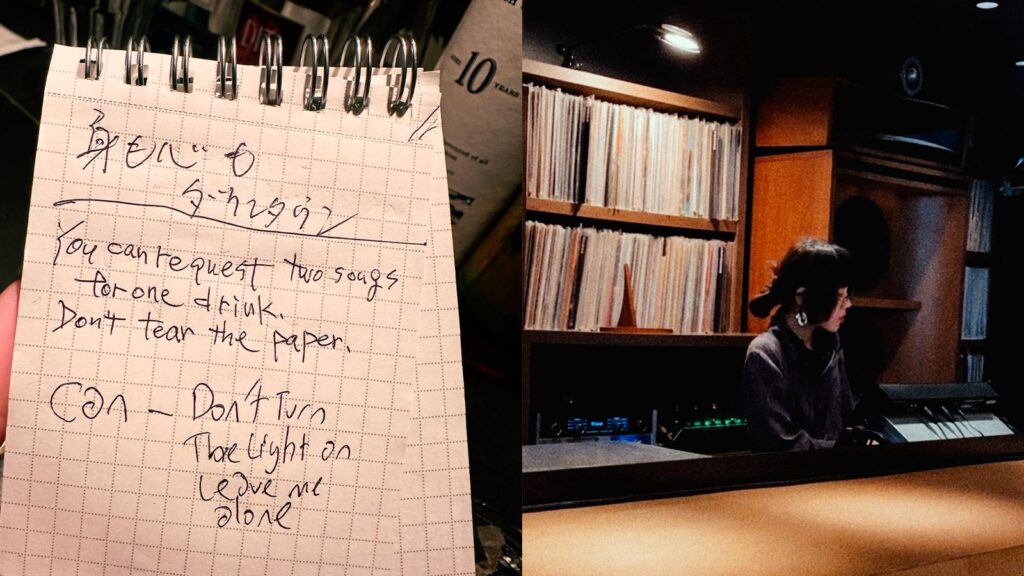
Derived from the Japanese word kissaten, the term kissa roughly translates to “tea / coffee drinking salon.” Some kissas in Tokyo, however, feel less like cafés and more like small sanctuaries built around sound systems. Especially in jazz kissas, music is removed from the background and transformed into a ritual of its own. Giant speakers, dark wooden interiors, carefully selected records, and people sitting in near-library silence. They make physical again what the streaming age has rendered invisible. Music is no longer just something being played; it becomes a presence that fills the room.
Koenji
A district located on the Chūō Line where you can experience underground and counterculture in Tokyo most clearly.
Konbini
These stores, which you can see in every neighbourhood and almost every street of the city, were opened to speed up and facilitate life and have become an inseparable part of Tokyo culture over time. Here you can find fast and hot food, socks, fruits and vegetables, alcohol, desserts, ties—whatever you can think of. There are endless videos about konbinis on YouTube. The most famous konbini brands are 7/11, Lawson and Family Mart.
Kichijoji
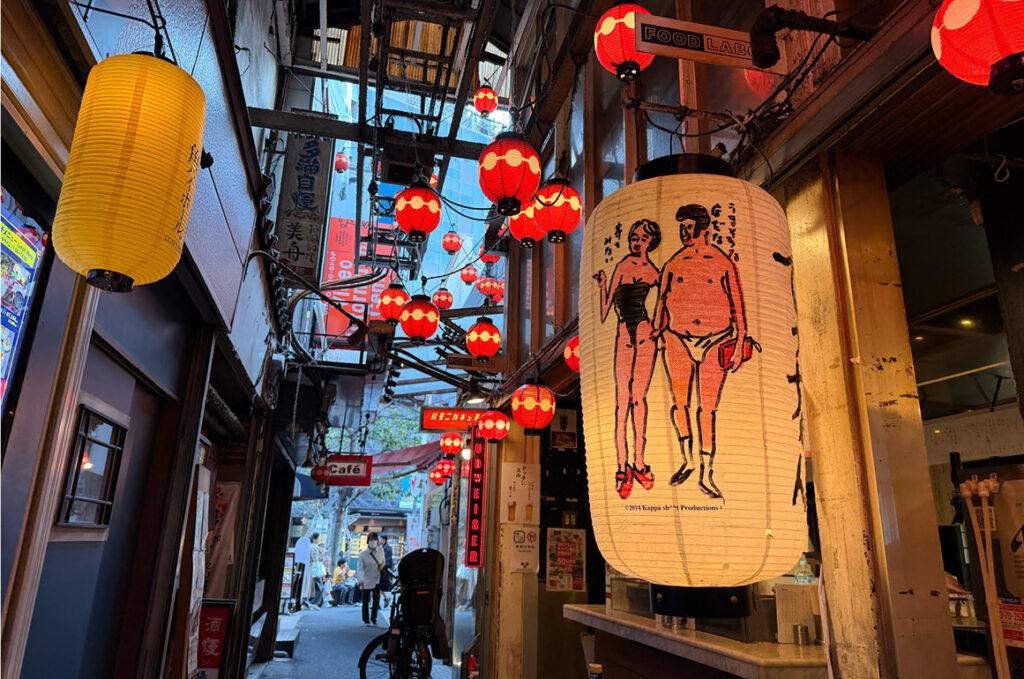
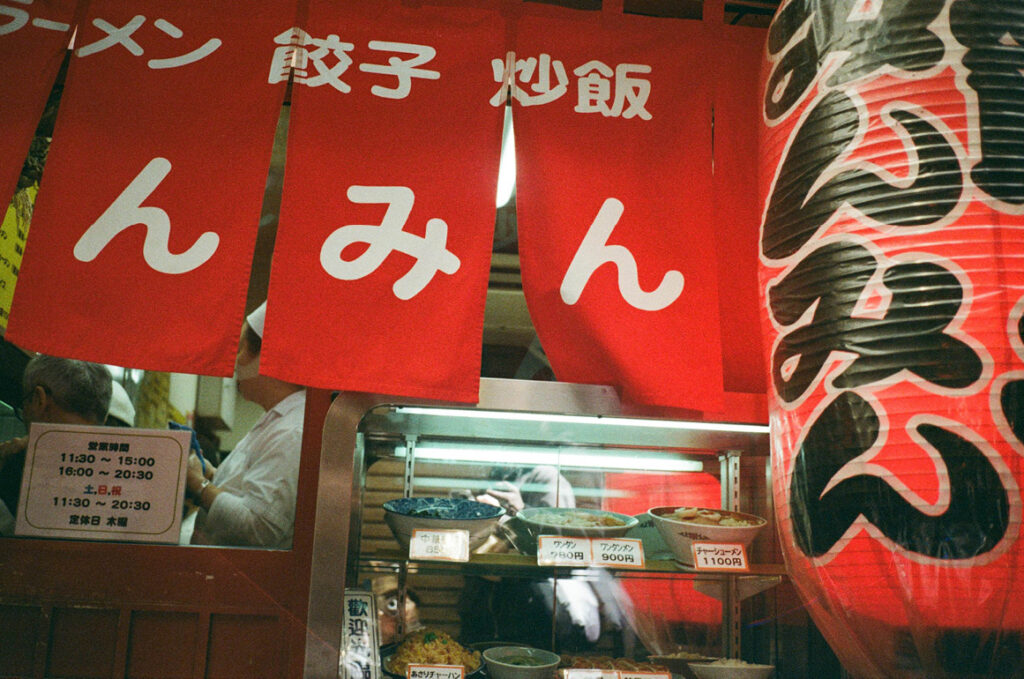
One of the most developed neighbourhoods on the Chūō train line. It is a good option with the compact shopping opportunities it offers instead of central districts like Shibuya and Shinjuku, which can be tiring for some. It has both large stores of big brands and a good density of boutique shops. Harmonica, located right across from the train station, is especially beautiful in the evening with its bars and eateries spread across very narrow streets. If you can find a place during the day, definitely go to the old-style gyoza place Minmin. If you want to spend your evening in Kichijoji, Baobab and Home Planet, located within walking distance of the station, are two nice bars offering good music, a pleasant energy and a nice atmosphere.
Knock
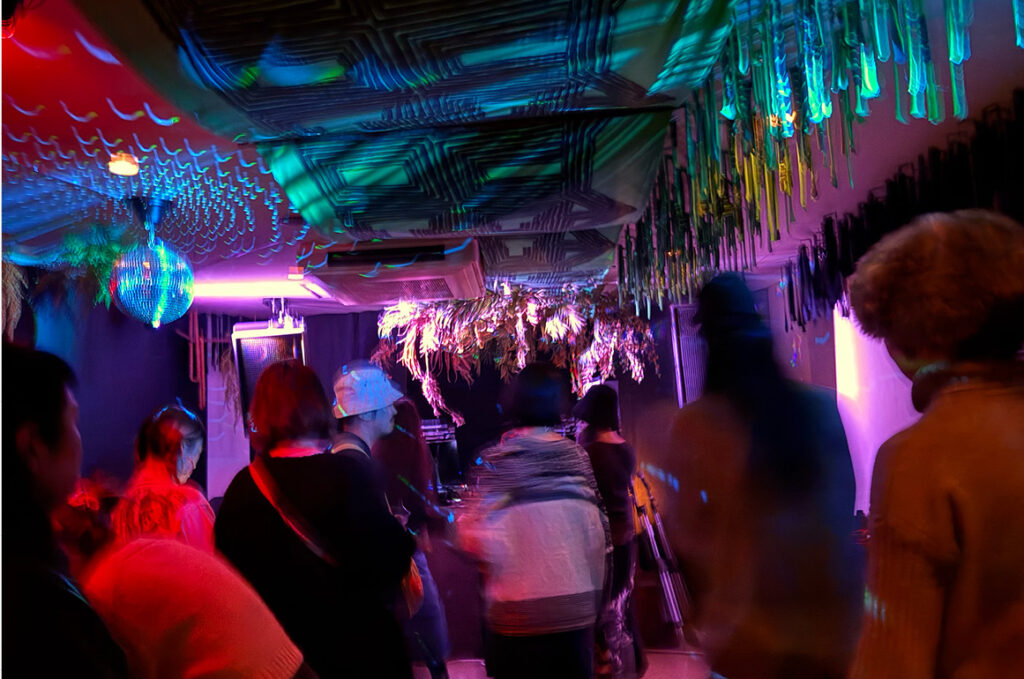
An underground event venue and club in Koenji that opens only during events. The place is small but the sound system is excellent. They make very good cocktails. It is worth keeping an eye on their schedule and checking out an event that suits you.
Kitchen Town
A district around Asakusa dedicated entirely to kitchen equipment. If you are someone who likes to sweat in the kitchen at home, you may want to buy one of the world-famous Japanese knives for yourself.
L
Lemon Sour
In Tokyo, lemon sour is one of the most commonly consumed everyday drinks along with highball. Prepared with shōchū, a traditional Japanese drink with slightly higher alcohol than sake, plenty of soda, plenty of ice and lemon juice. You can find it everywhere and drink it a lot. It is both cheap and has a relatively low alcohol content.
Liquidroom
Located in Ebisu, one of Tokyo’s most refined indoor concert venues. High ceiling, dark atmosphere, very clean acoustics, precise sound system. One of the first places that comes to mind when it comes to “good concerts” in the city.
M
Mandarake
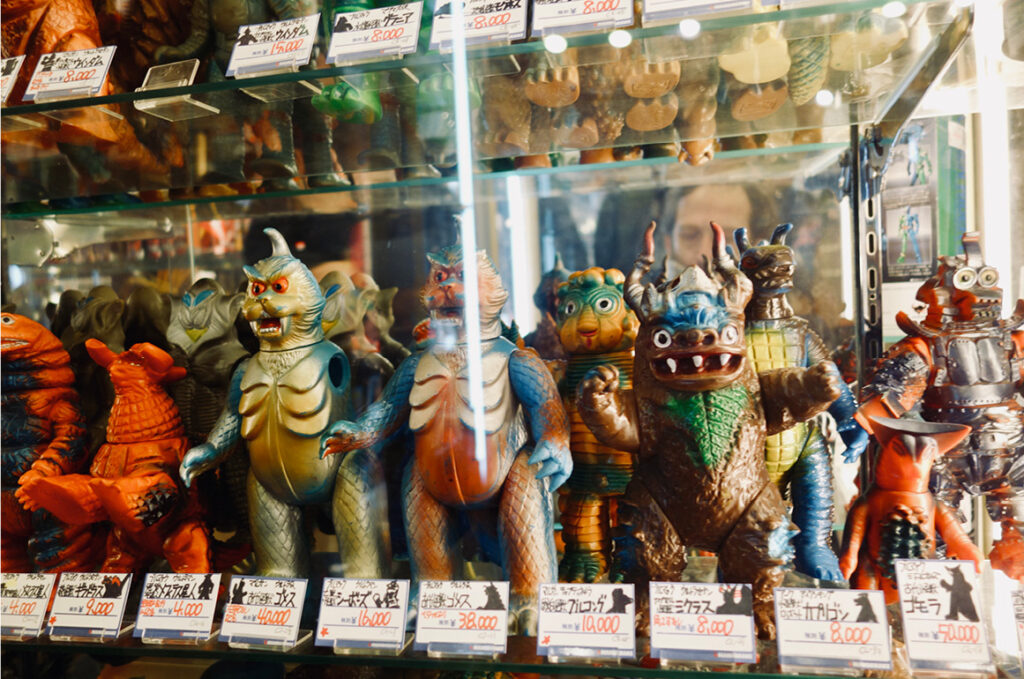
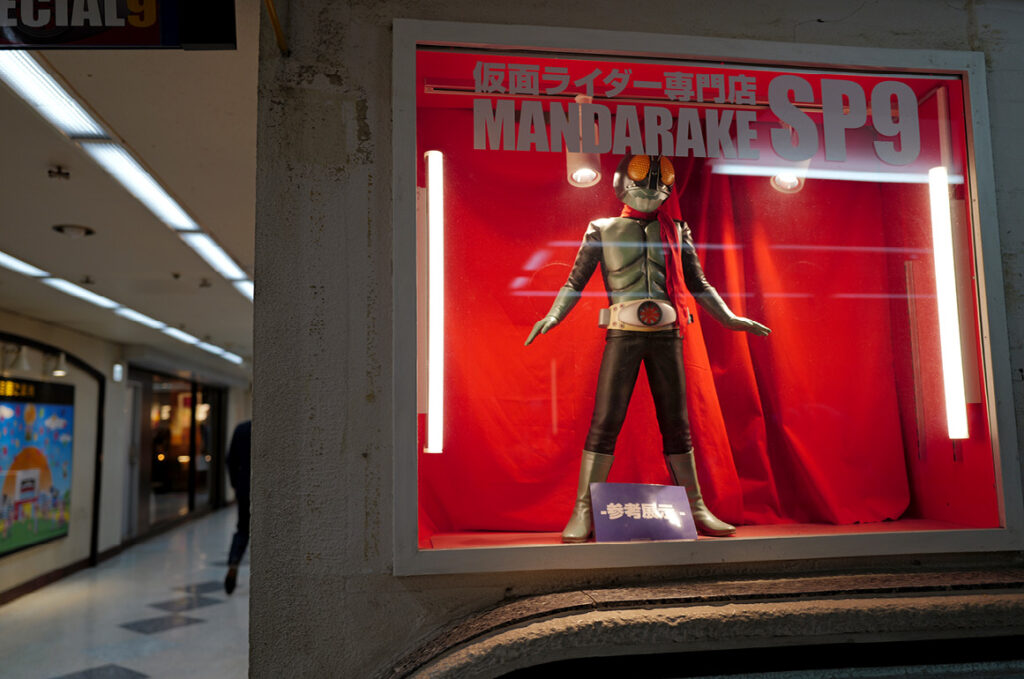
If you are a figure and toy collector, manga-anime lover, an otaku, Mandarake stores will be your temple. They have stores in Akihabara, Shibuya and Nakano, but the best one is the flagship store in Nakano Broadway. They also have an online store.
Mount Fuji
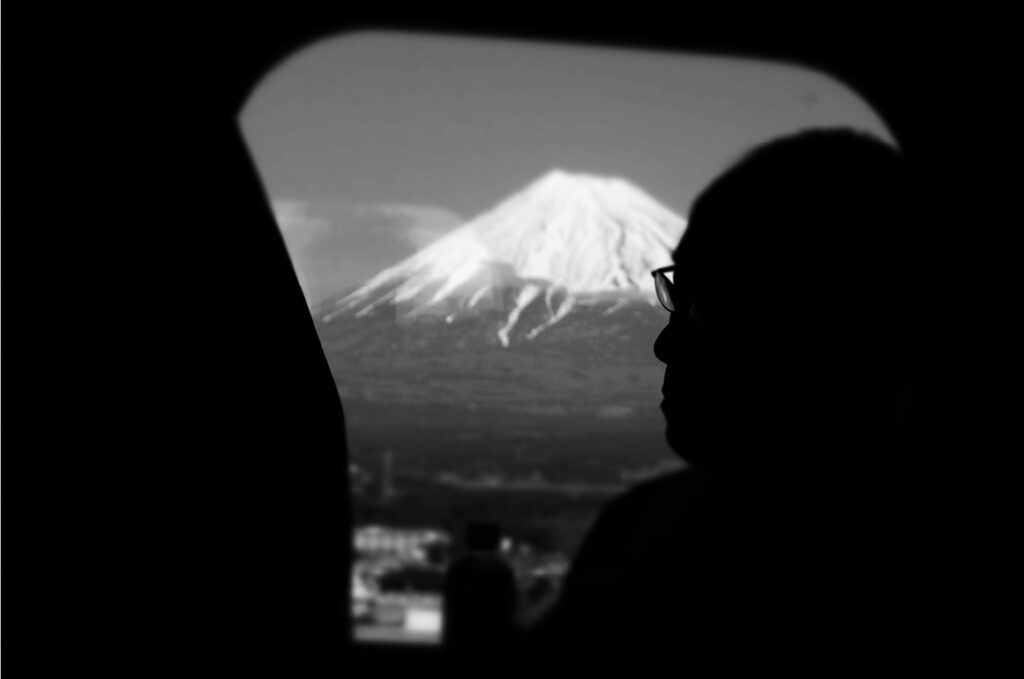
The most striking image not only of Tokyo, but of all Japan. You can see Mount Fuji on many well-designed products. But if you are lucky, you can also see Mount Fuji itself from Tokyo. For this, being in a high place on a clear day is usually sufficient. Or you can meet the magnificence of Fuji by looking out of the window while your plane is landing in Tokyo.
Museum of Contemporary Art Tokyo (MoT)
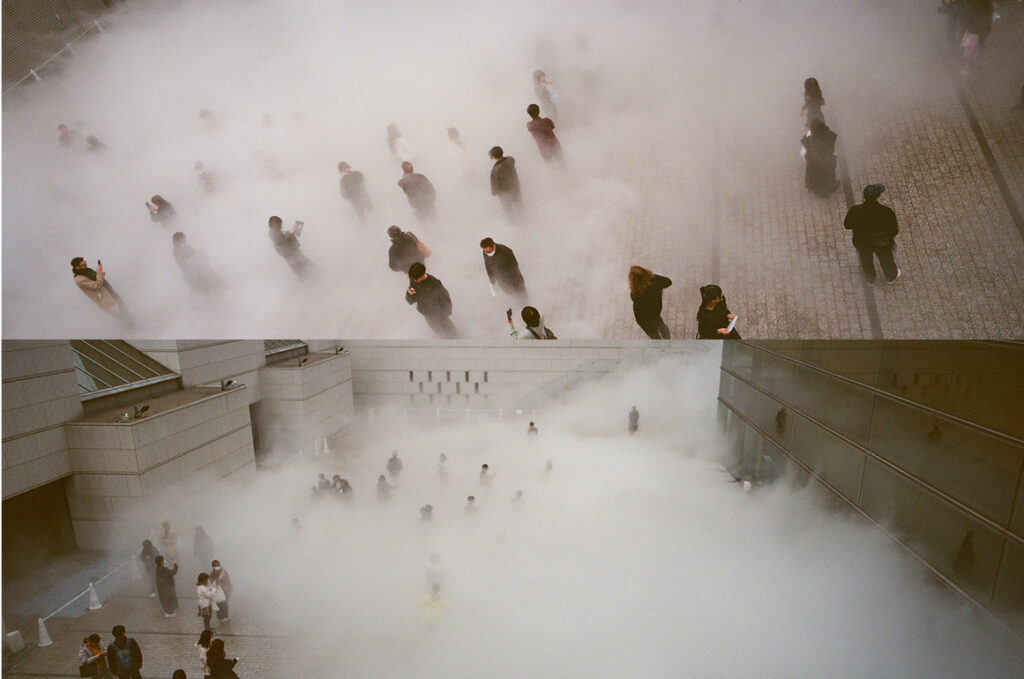
Tokyo Museum of Modern Art. A must-visit museum for those who want to have a broader knowledge and experience of Japanese contemporary art.
N
Nantoka
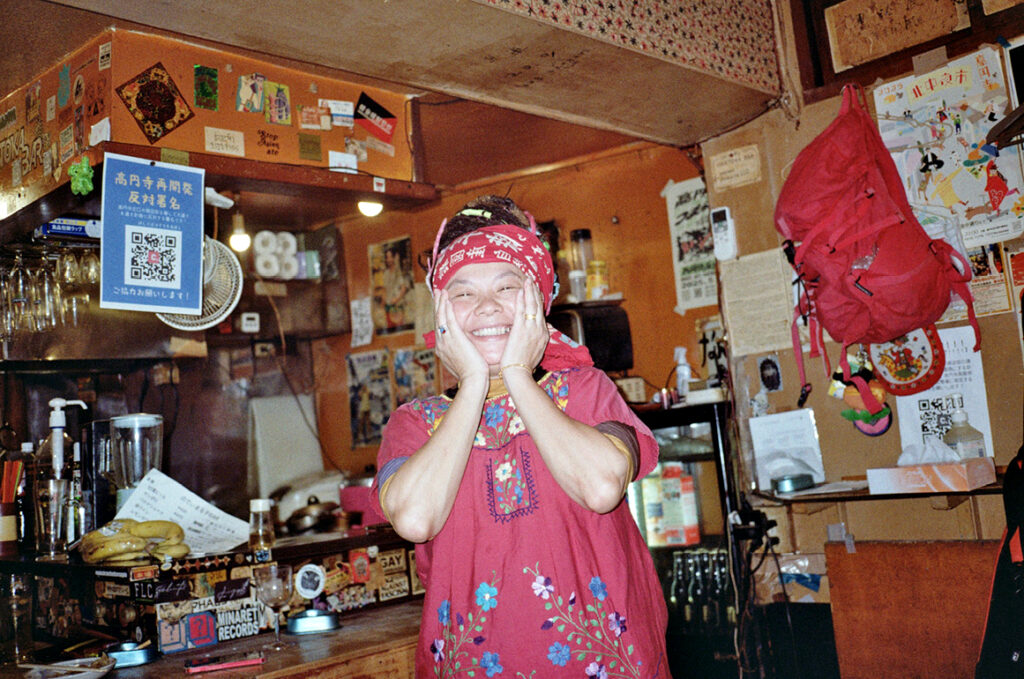
Why are we writing about Nantoka in a city brimming with countless bars and hidden gems? Because there is a really nice idea behind this small bar located in Koenji. The owner of this place, which operates with a collective mindset, changes every night. Along with the owner, the concept, drinks, food, music and atmosphere also change. Behind the project is one of the important activist figures of the city. To run Nantoka for one night, you need to apply with a reference and get in line. In short, despite its extremely smoky atmosphere, it is a unique place where you can meet counterculture figures and creative expats of Tokyo, exchange ideas and experience unforgettable nights.
Nakano & Nakano Broadway
This neighbourhood, right next to Shinjuku, is very close to the center but feels like it is in its own universe. Nakano Broadway, an old shopping complex built in 1966, is one of the main reasons for its fame. The inside is full of dozens of manga, anime and figure shops, especially Mandarake stores. There are also second-hand electronics, watch and jewellery stores, and a famous sushi restaurant on the ground floor. This building reflects a different face of Tokyo and another period of it. In short, you can dedicate a day to Nakano Broadway and its small and fun surroundings.
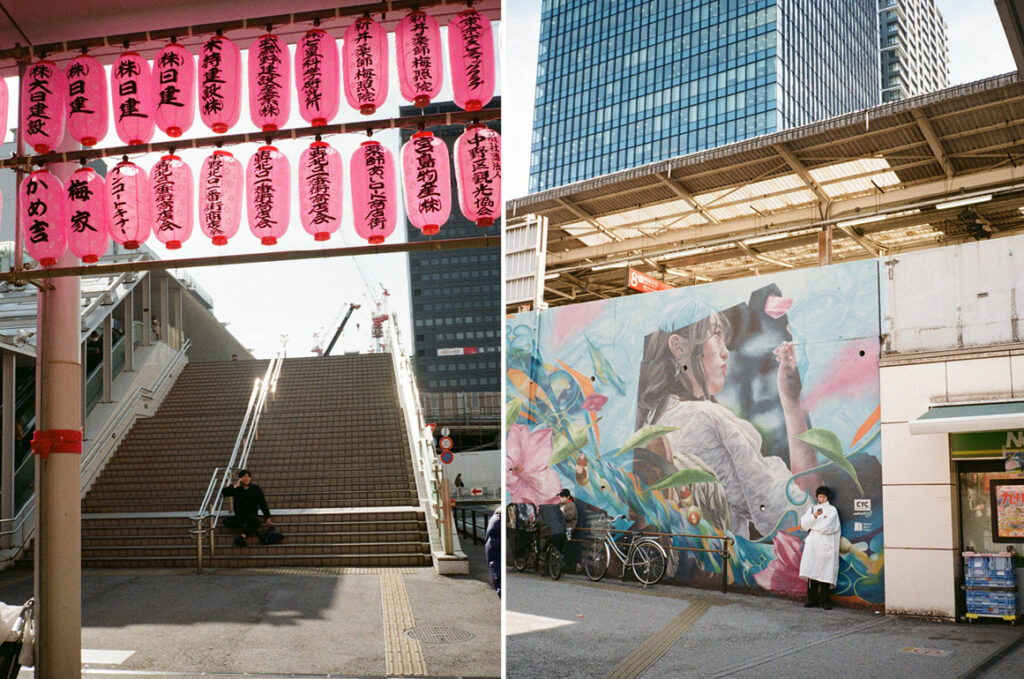
O
Onsen
At the risk of sounding hyperbolic, people in Japan might compromise on their family, but their devotion to the onsen is non-negotiable. For they know how to enjoy the benefits of living on a volcanic island, hot spring culture, that is onsen, is almost sacred. From young to old, onsen is part of life. The world of onsen is a tourism and experience in itself. There are endless options both outside Tokyo in nature and within the city. But there are a few vital details you need to know before going. Do you have tattoos? It is an interesting rule, but if you have tattoos, entering onsen is forbidden. If your tattoo is small, you can cover it with bandages, but if it covers a large area in your body, you may need to find an onsen where Yakuza also go. Another critical point is that you must be completely naked after entering the onsen. This is mandatory. Entering with swimwear, underwear or shorts is strictly forbidden. If you check these two boxes, all that remains is to read the rules well and follow them strictly. The result is definitely perfect. Although experiencing onsen outside the city offers a better experience, there is also a nice onsen we can recommend within Tokyo: Niwa No Yu.
Okonomiyaki
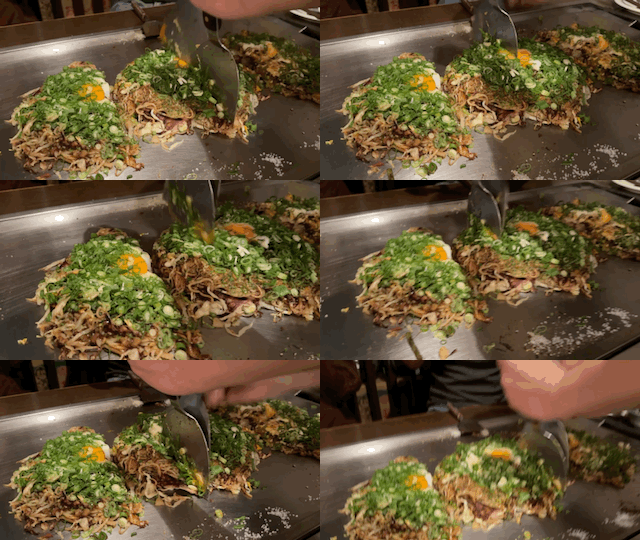
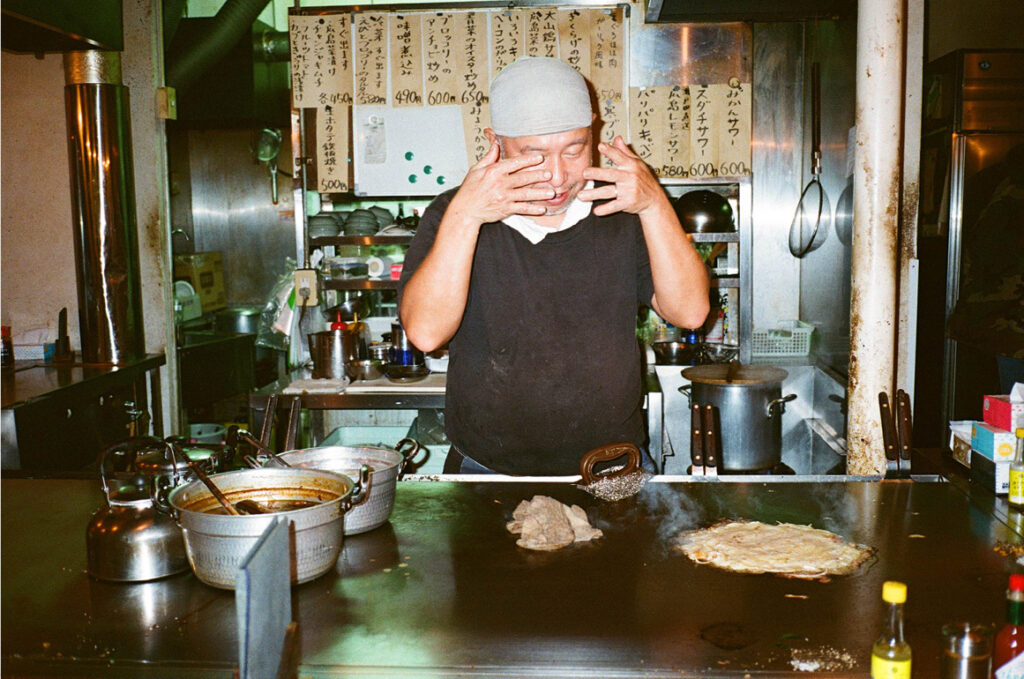
One of the most popular street foods of the country that has not gained recognition outside Japan. A dish cooked on a grill, based on cabbage, flour and egg, where you can pick the ingredients yourself. The main point is that it is cooked on wide hot plates in front of the customer. In some places, they give you the ingredients and you cook it yourself. What you add on top is up to you. Fun, delicious, filling and cheap.
P
Pachinko
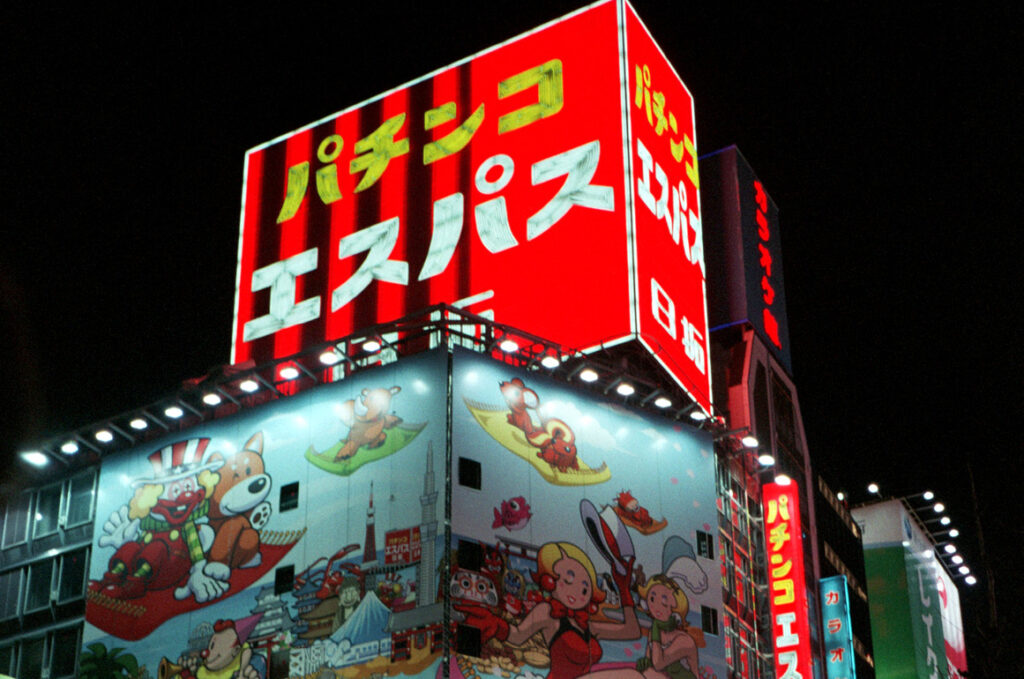
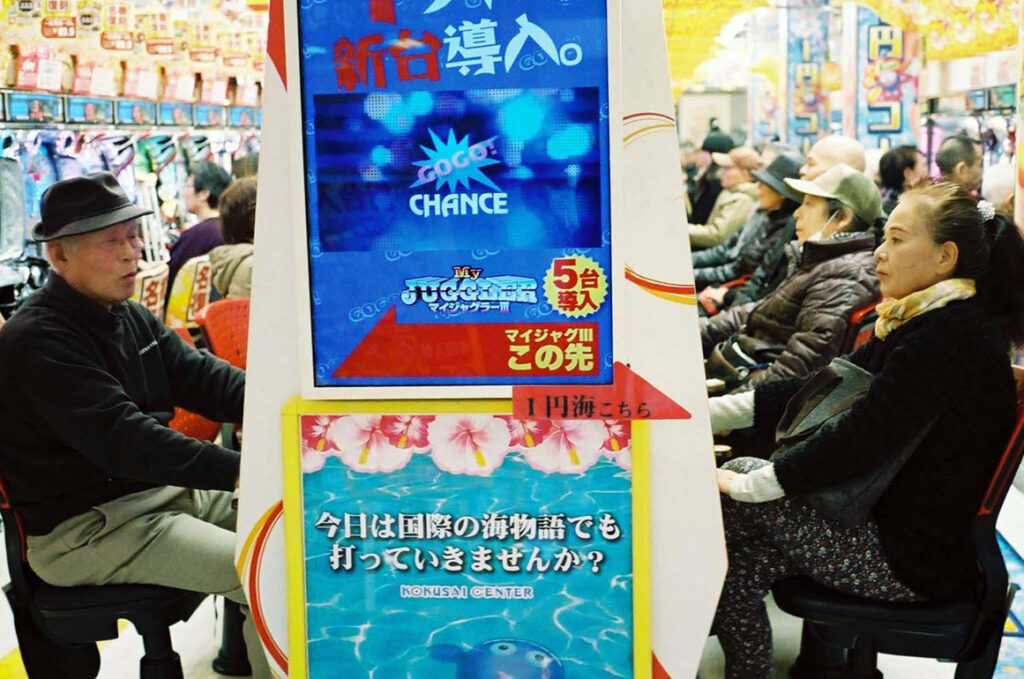
While walking on the streets of Tokyo, a metallic rain sound (sometimes deafening) hits your ears. That is the sound of pachinko parlors. These places, which you think are arcade halls from the outside but encounter a completely different reality inside, include people who lose their salary and those who get stuck on the same machine for hours. One of Japan’s most visible but least talked about addiction rituals.
Pet Café
A phenomenon that started as a temporary solution to loneliness in a rapidly modernizing society and evolved into something else entirely. These places, where you experience one-sided animal affection for a fee, are also one of the most controversial aspects of the city. Besides cat and dog cafés, there are even owl, piglet, hedgehog and otter cafés. Major attraction centers for locals and tourists, but you may wish they did not exist.
R
Ryokan
Traditional Japanese accommodation. Think of it as a traditional inn. Tatami floors, futon beds laid out at night, sliding doors… It may not be your first choice in central Tokyo, but staying in a ryokan during a trip outside the city can offer an unforgettable experience.
S
Sampuru
Those perfect ramen bowls, shining tempura and realistic sushi displayed in restaurant windows are actually made of plastic. These hyper-realistic models make ordering easier and also represent the peak of visual appetite appeal. There are also many sampuru workshops for tourists who want to return home with a full plate.
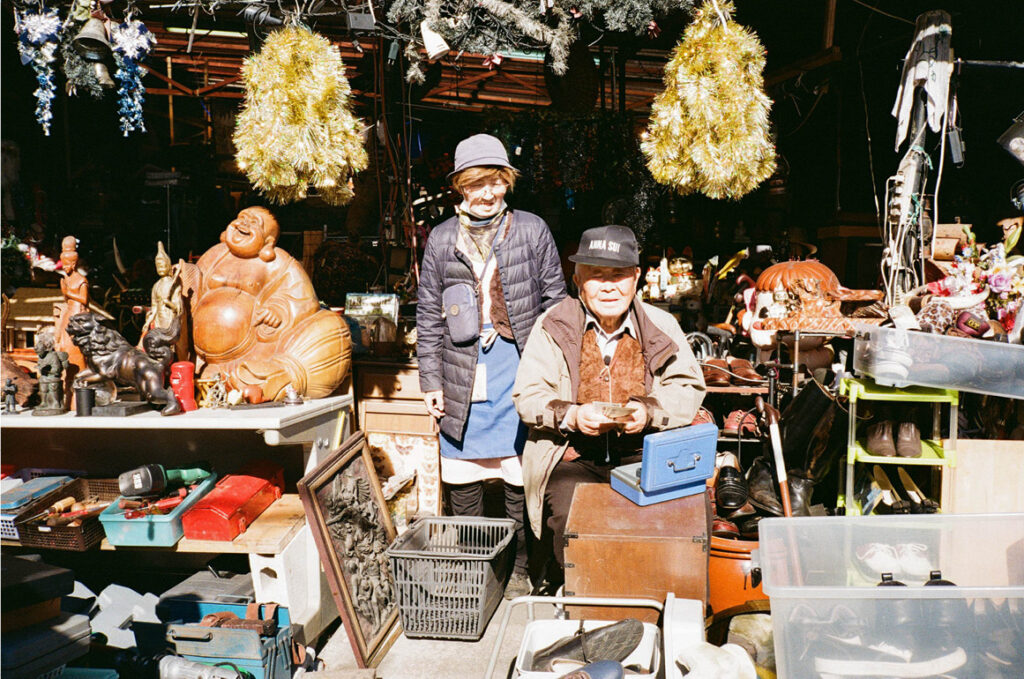
Second-Hand
Although the relationship the Japanese have with second-hand products can be discussed and researched from a spiritual and historical perspective, there is an incredible second-hand clothing craze among the younger generation. Almost every district of the city is full of boutique and chain second-hand clothing stores. There are separate stores for high-end second-hand brands, separate ones for American brands, and separate ones for very cheap Japanese brands. The condition and cleanliness of the products sold are at a high level. Apart from boutique stores, it is also useful to look at chain stores spread across the city such as Mode Off, 2nd Street and BuzzStore. Mode Off also has separate stores such as Hard Off for electronic devices and Book Off for books.
Sundrug
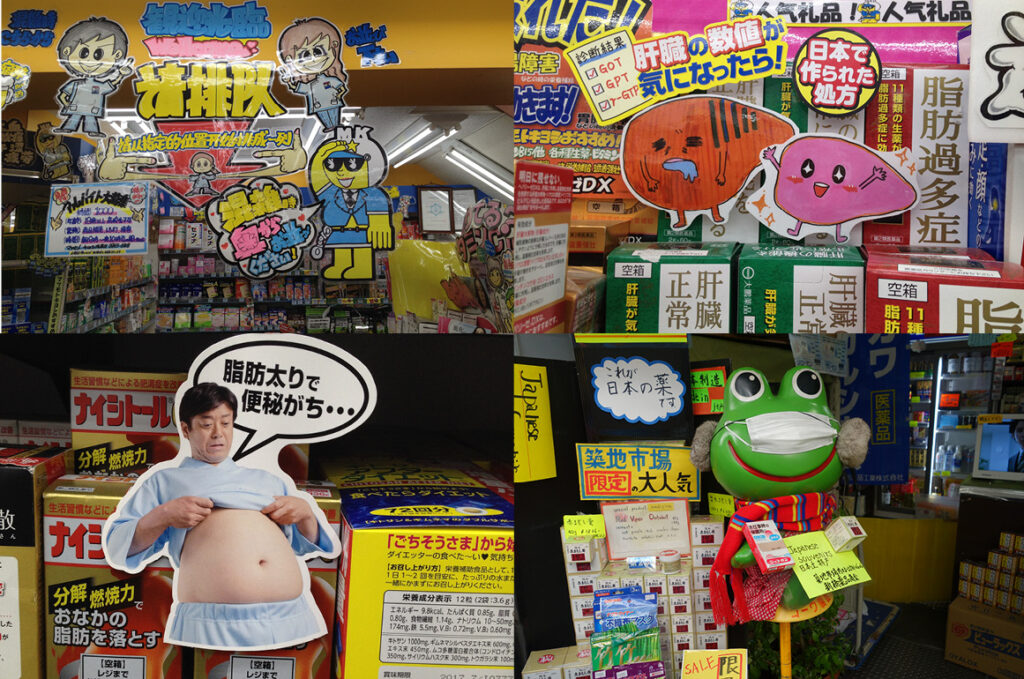
One of Japan’s largest drugstore chains. A whole new world opens here for those who love medicine, vitamins, supplements and cosmetics. Hopefully you won’t need it, but if you get sick in a foreign land, this is where you will go. Just keep in mind that it is a completely different experience compared to pharmacies in Turkey and Europe.
Shibuya & Shibuya Crossing
One of the two hearts of Tokyo along with Shinjuku. A unique chaos where you can find everything you are looking for. At the center of Shibuya is Shibuya Crossing, one of the busiest pedestrian crossings in the world. This is the place you most often see in YouTube and Instagram videos.
Shimokitazawa
A neighbourhood that was the center of alternative and punk culture in Tokyo until before the pandemic, and although it has undergone some transformation, still maintains its charming but chaotic appeal. Full of great bars, record stores and boutiques, a district you can visit and even stay in, where you do not feel swallowed by the city like you would in Shibuya and Shinjuku.
Shin-Okubo
Tokyo’s Koreatown. A neighbourhood where K-pop, K-beauty and Korean food spill into the streets. Close to the center, and easy to reach.
Shinjuku & Metro Station
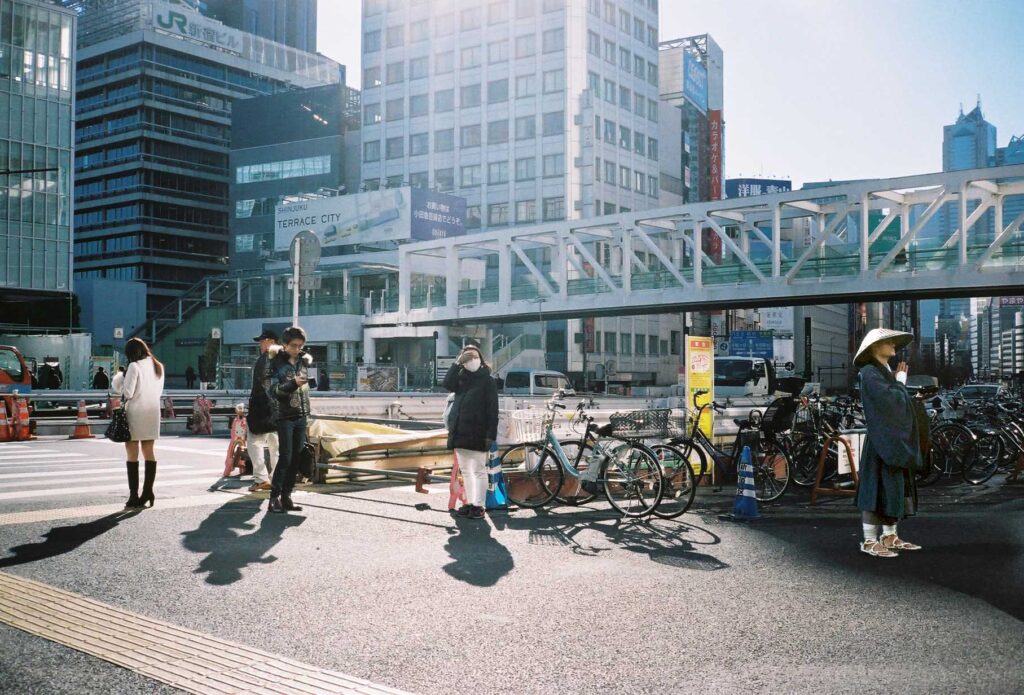
One of the busiest and most impressive places in Tokyo along with Shibuya. Shinjuku Station is the busiest train and metro station in the world. Like a city on its own. More than three million people pass through here every day.
Shichi-Go-San
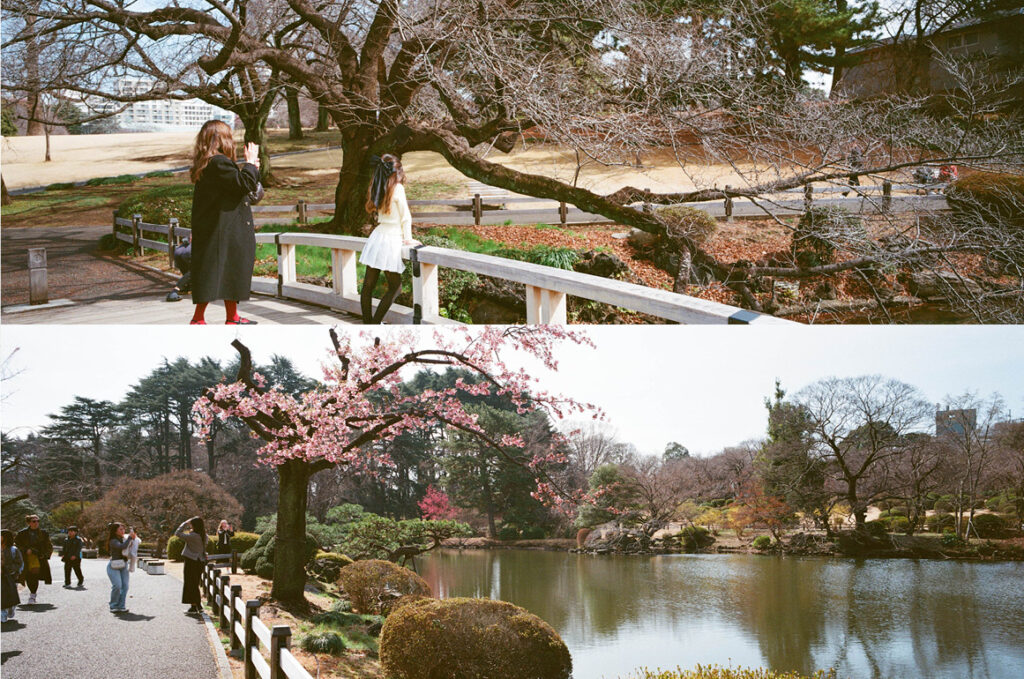
If you are in Tokyo in November and see small children in kimono and proud parents around, do not be surprised. You have probably come across Shichi-Go-San, where children aged three, five and seven celebrate reaching these ages. The meaning of the word is also three, five and seven. Children are dressed in traditional clothes, go to a Shinto shrine with their families and a ceremony is held where the child is blessed.
Shōchū
A traditional drink made from sweet potato, barley or rice, with an alcohol content between 20-25 percent and widely consumed in daily life. The difference from sake is that sake is fermented, while shōchū is distilled. Here’s an interesting anecdote: while it used to be associated with the countryside or older men, in 1980, a producer called Crystal Jun Rock made a commercial with David Bowie to popularize shōchū among young people. This commercial has an undeniable role in the popularity of this drink today.
Suitcase
You must have come across memes that make fun of Tokyo travel and suitcase density. None of them are exaggerated.
Students
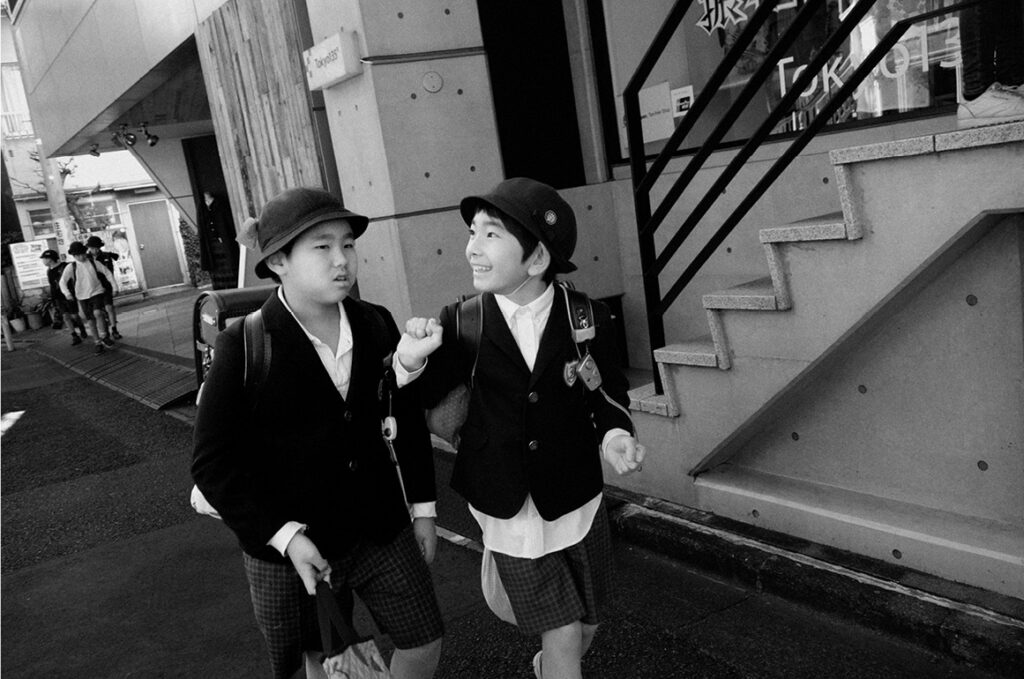
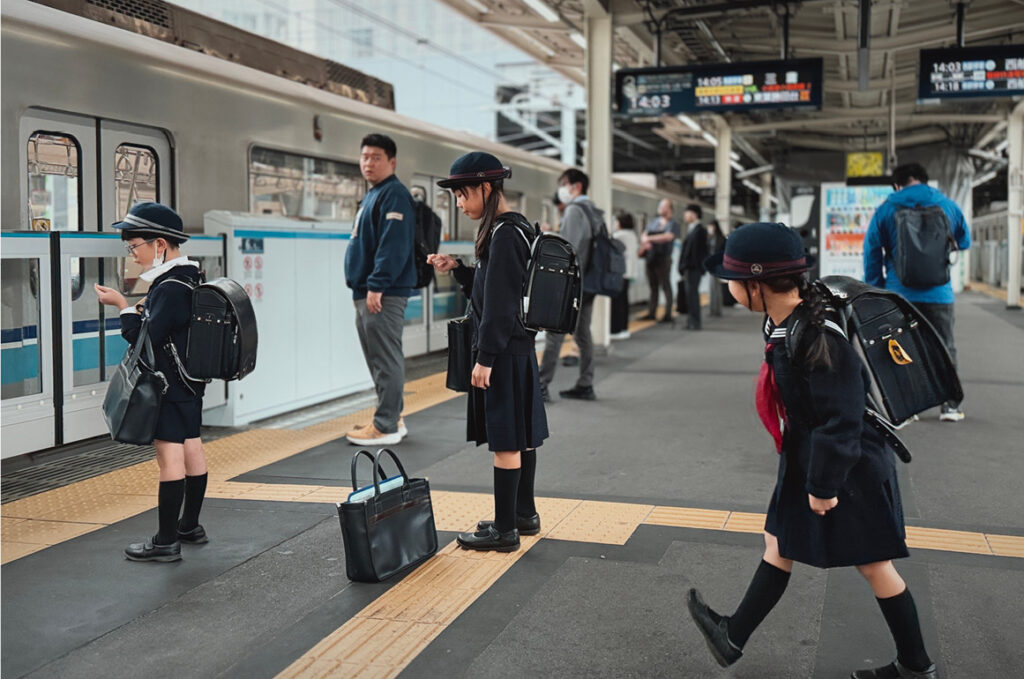
One of the surprising details you will notice in Tokyo is young children going to and returning from school in the morning and afternoon. You will see them walking alone in the streets and metros of the huge city with their school uniforms, bags as big as themselves and small hats. Do not be surprised, do not find it strange. These are things that come with social trust. A bit far from us living in Istanbul, of course.
T
Takadanobaba
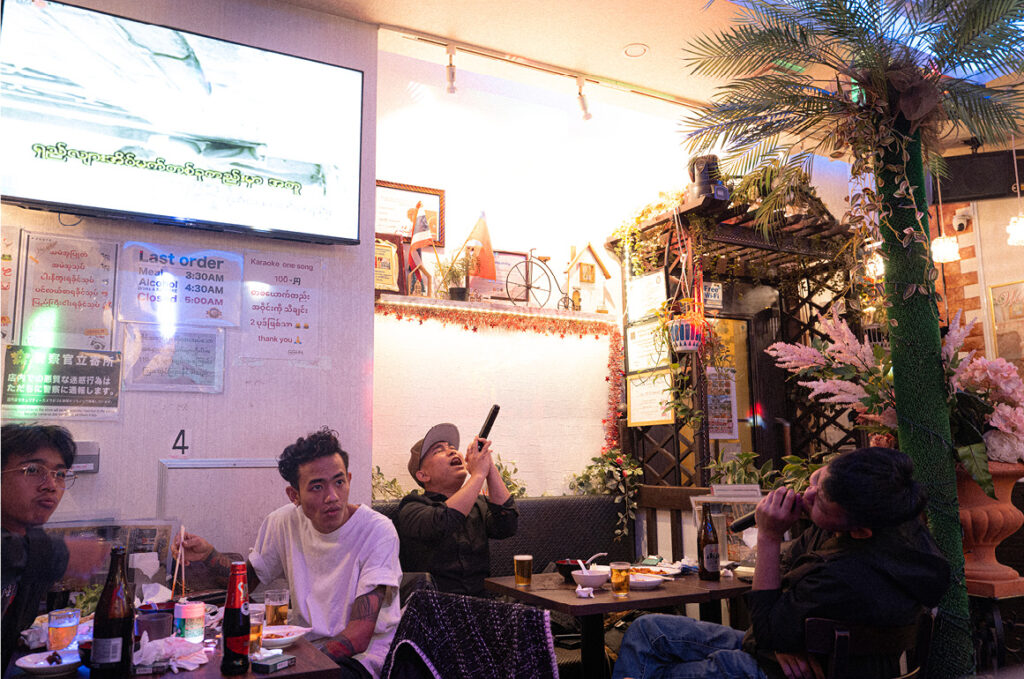
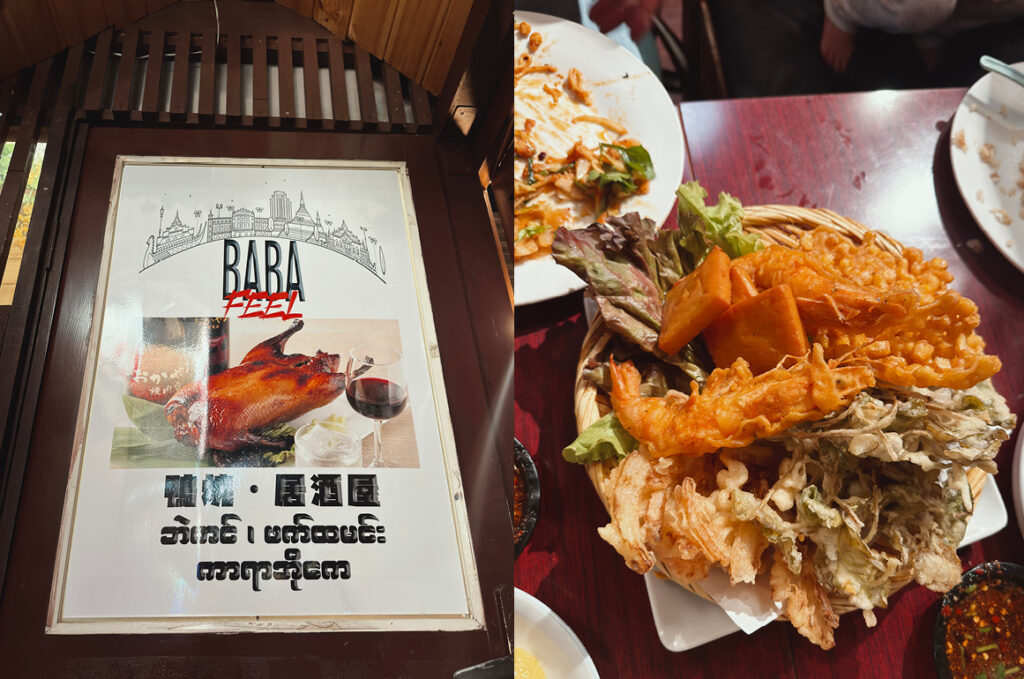
One of Tokyo’s youngest, most student-filled and most immigrant-friendly neighbourhoods. Waseda University, one of the city’s largest universities, is located here. There is also a significant Myanmar population living here, which has a strong cultural influence on the area. If you want to experience a bit of university atmosphere and get to know Myanmar culture, you can go to Takadanobaba. You can go to Baba Feel for food and then lose yourself in a bar with Myanmar-style karaoke. This neighbourhood is also where Osamu Tezuka, the creator of Astro Boy (Tetsuwan Atom), lived. The large Astro Boy-themed wall mural right at the exit of the train station is in his memory.
Takao
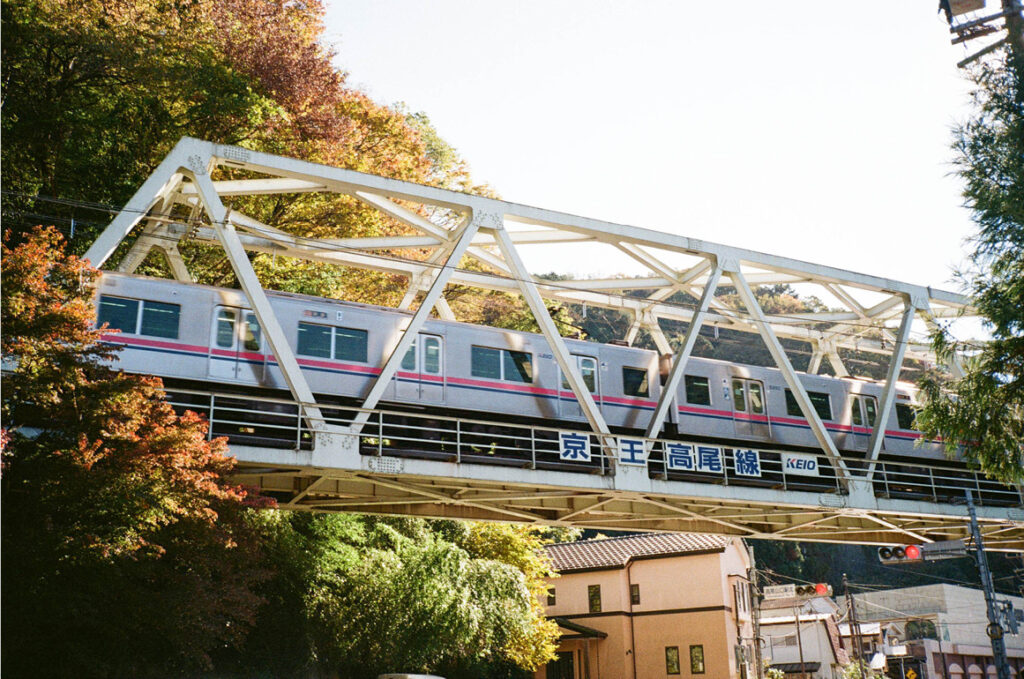
One of the most popular nature escapes that feels completely removed from the city while still being close enough to be considered part of Tokyo. If the city overwhelms you but you don’t want to go too far, Takao offers a nice day trip with its walking trails, views, mountain air and the temple waiting at the top. But avoid weekends, as it is popular not only with tourists but also with Tokyo residents.
Temples
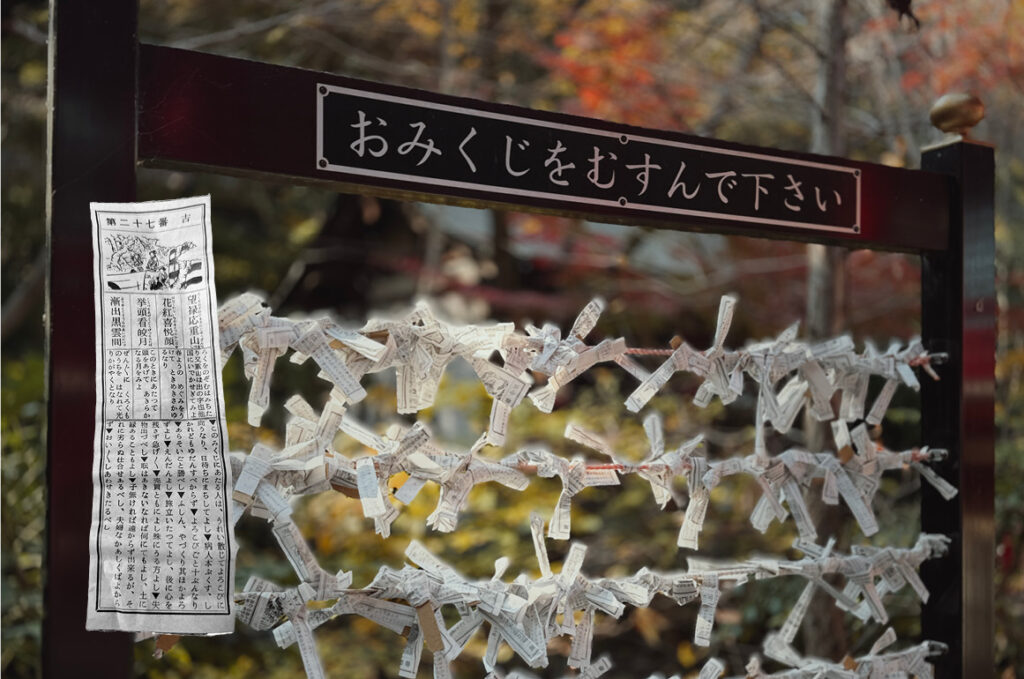
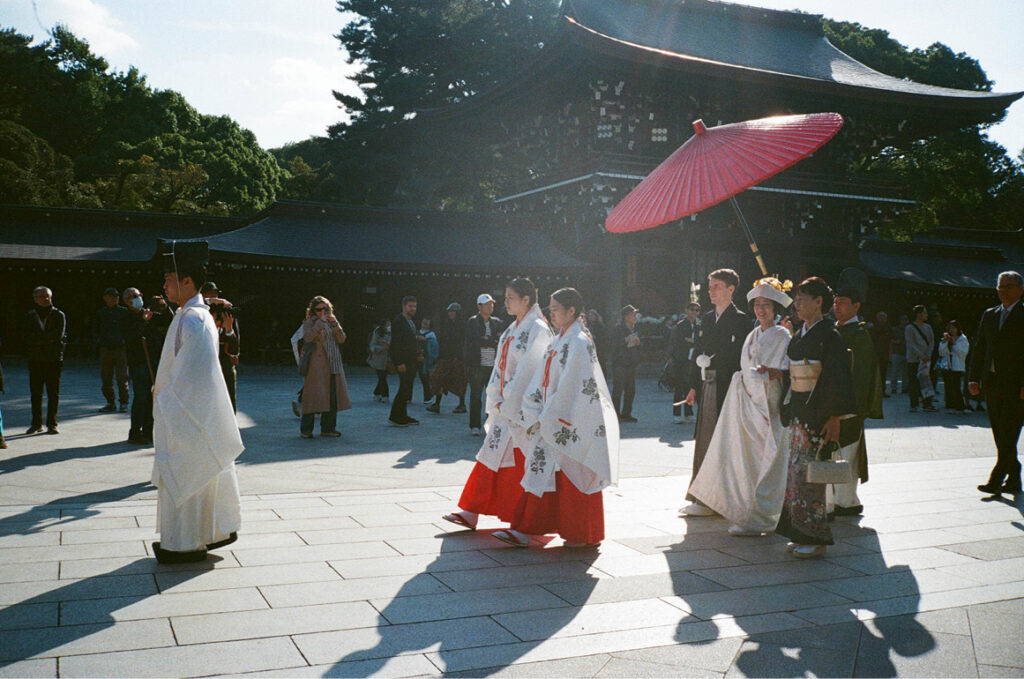
The city is full of large and small Shinto and Buddhist temples. The best ones are not the touristic ones, but those you come across unexpectedly while wandering through back streets. You can walk in their zen gardens and make wishes by quickly learning the rituals. You can buy an omikuji, a fortune paper, for a small amount of money and read what awaits you. Or you can buy small wooden plaques called ema, decorated with one of the animals of the Japanese zodiac, write your wish on the back and hang it at the temple. If you are lucky, you may witness weddings, rituals or sacred days.
teamLab
A collective that has created one of Tokyo’s most talked-about and most popular digital art experiences. There are two experience museums created by this team in Tokyo. One is Planets, which focuses on water, the body and physical sensation; the other is Borderless, which focuses on art in a labyrinth-like environment. Both are extremely popular and it is very difficult to enter without a reservation. Those who go can’t stop talking about their experiences for days. Both museums are also perfect Instagram material.
Tipping
You know how in Europe and the US, tip boxes at the cashier that say “Tipping is not a city in China” are popular? In Japan, “Tipping” is indeed only a city in China. In other words, tipping is not acceptable. Even if you leave something as small as 50 kuruş, it will not be welcomed, they will run after you to return your tip.
Tokyo Art Beat
If you are going to Tokyo and wondering how to stay informed about museums, contemporary art events and boutique exhibitions, the Tokyo Art Beat website and app offer a very up-to-date and extensive information network.
Tokyo Cheapo
Do you want to know what is happening in Tokyo and be informed about everything? A website full of events, parties, local festivals, useful information, discounts and discoveries. For example, if you like flea markets, you can find the best flea market calendar in the city here.
Tower Records
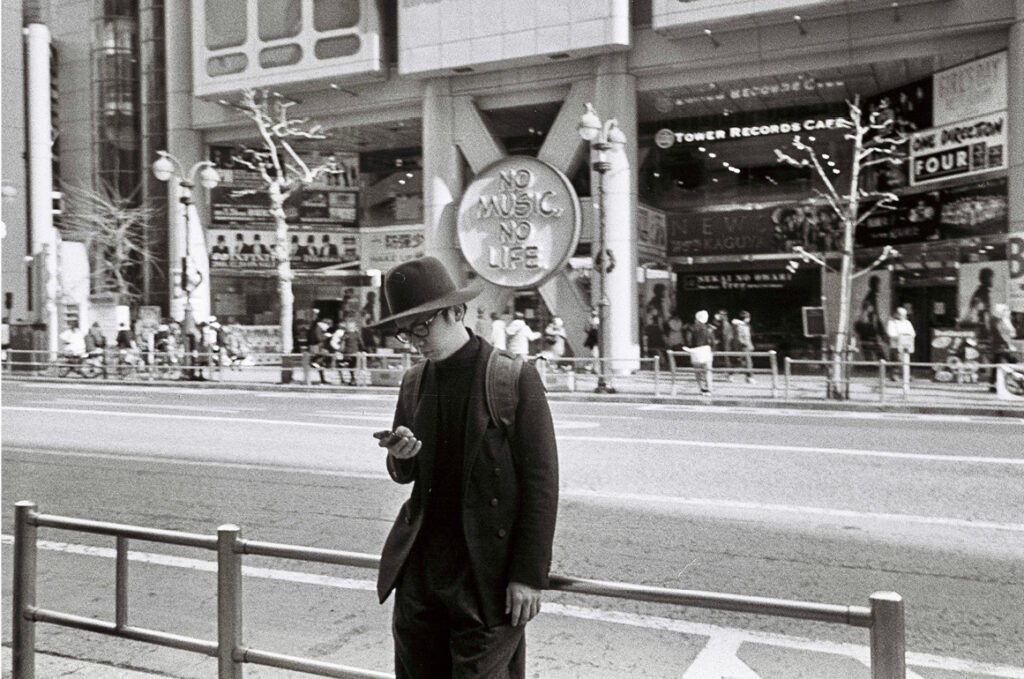
Originally an American music retail chain that went bankrupt, it is still active in Japan and is regarded as a stronghold of physical music. The large flagship store in Shibuya is practically a temple of music. Its motto is “No Music, No Life.” On that note, it’s worth adding that interest in physical music in Japan remains quite high, with CD sales still leading the way.
Train and Metro
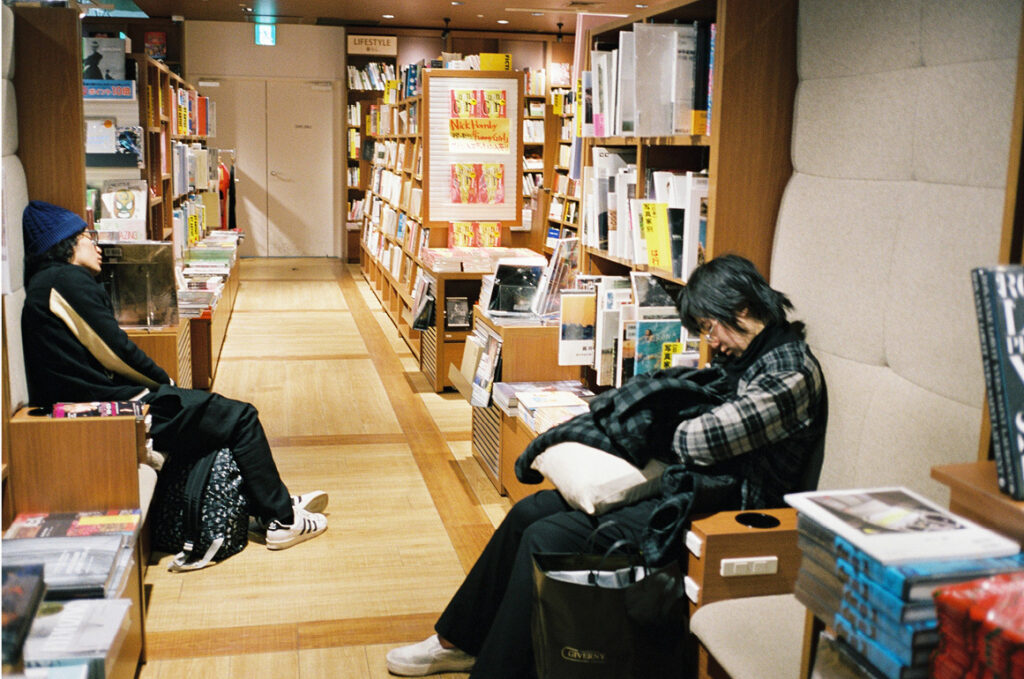
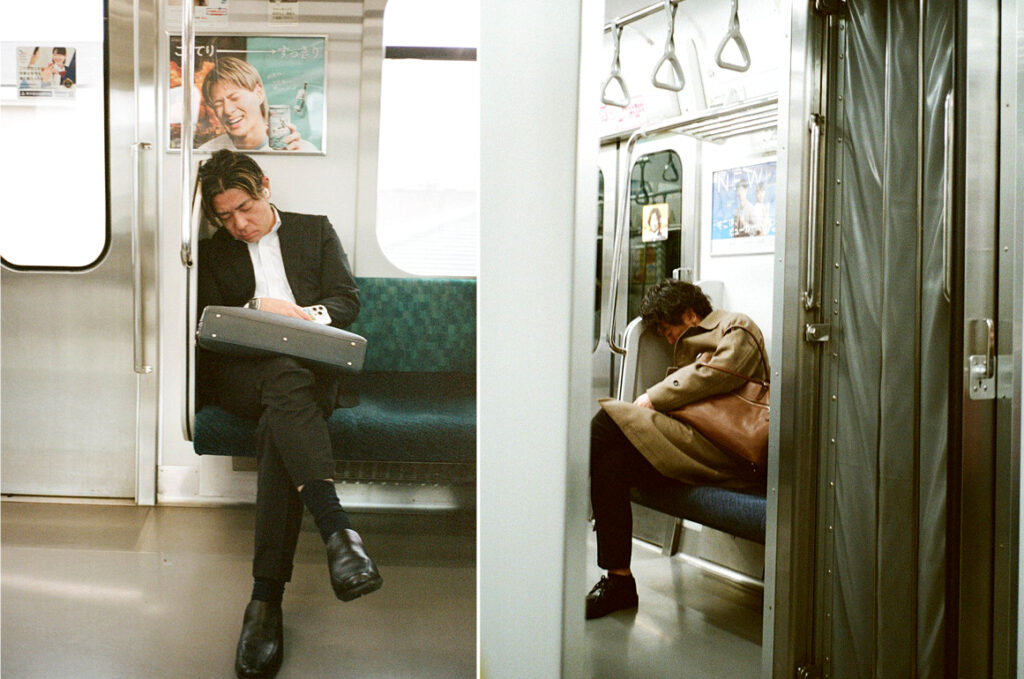
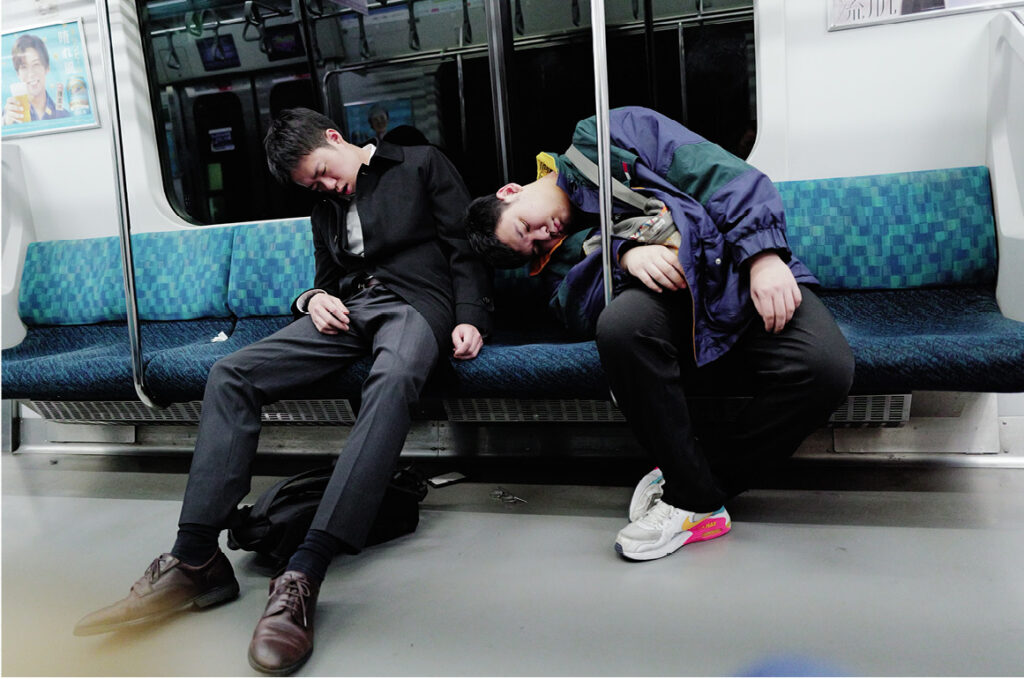
Of course, this is one of the cities with the largest and best-functioning train and metro networks in the world. Interestingly, these networks are partly built and operated by the state and partly by the private sector. For this reason, there are networks known by different names such as JR, Odakyu and Keio. At first, the system may seem intimidating, but don’t worry, you figure it out after a few tries. Signs are in English and everything is well integrated with mobile apps. The first thing you should do is get a Suica or Pasmo card. And of course, be careful about rush hours, otherwise you may find yourself inside one of those famous YouTube videos. One of the most interesting things about Tokyo’s train and metro stations is that each station has its own unique melody. You will hear a different jingle at each stop, and as your awareness increases, you will start to develop your favourite station jingles. You can hear all the jingles here.
U
Umeshu
A very traditional and extremely delicious Japanese plum liqueur.
W
WWW
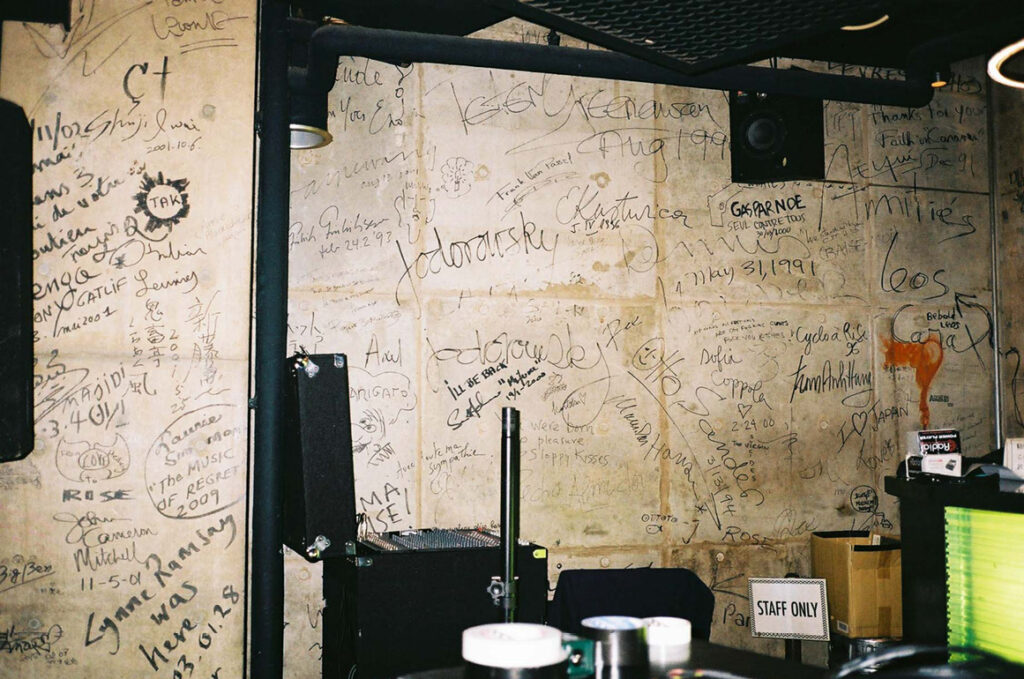
A very nice concert venue located in the center of Shibuya. You should definitely check its program while you are there. If you come across a band, you like or are curious about, definitely go. You can see the signatures of famous directors on the walls of the foyer, as the venue used to be an arthouse cinema.
V
Vending Machines
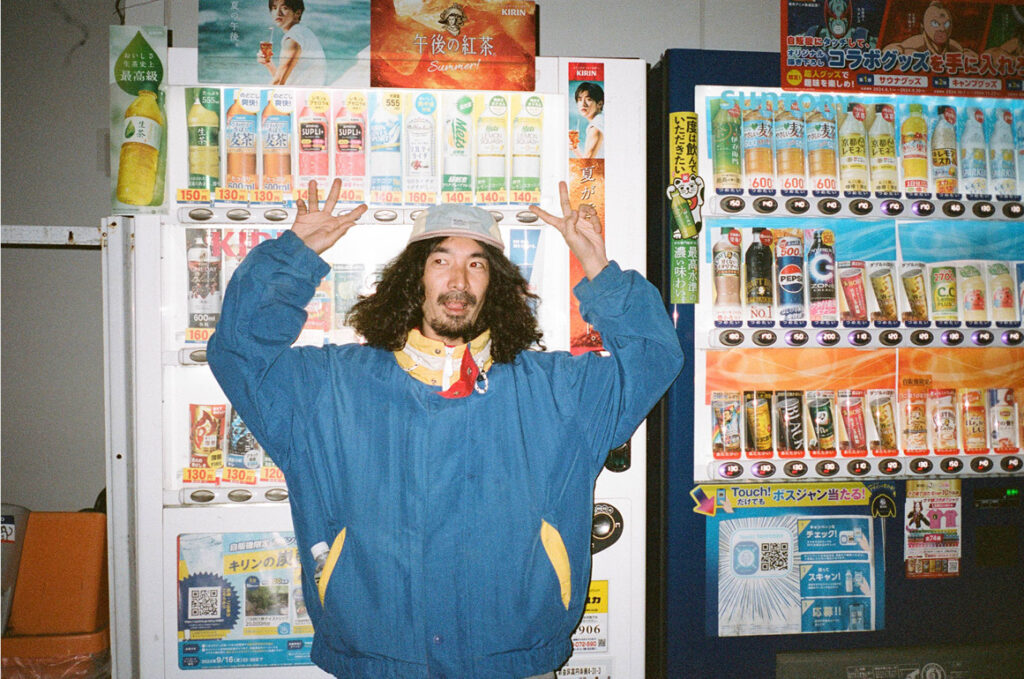
We can describe Japan’s approach to vending machines not so much as a necessity, but as a way of life. Machines that serve drinks—hot or ice-cold, summer or winter—operate at all hours of the day and night. They are especially lifesaving at train stations. Beyond beverages, you’ll encounter machines across the city selling everything from umbrellas and batteries to tech products and plush toys.
Y
Yodobashi
If you have come all the way to Tokyo and want to go wild on all kinds of electronic devices, you can visit one of the stadium-sized Yodobashi stores. But be careful, it may cause overload.
Yoyogi Park
One of the largest parks in the city, located between Shibuya and Shinjuku and next to Harajuku. A perfect escape to watch young people showing their skills, people taking selfies under ginkgo trees, relax and observe different plant species. One of the city’s largest temples, Meiji, is also located here. The path leading to the temple and the surrounding trees are quite magnificent.
Z
Zen
The invisible balance flowing beneath Tokyo’s speed and noise; the silence within chaos.