

Spice, sound and the DIY spirit: NEGURA CURRY AND HOIPOI
Tokyo’s curry culture points not to a fixed tradition, but to a constantly evolving interpretation. Rather than reproducing a single “authentic” version, it opens up a space where ingredients and spices come together freely, shaped by personal touches. This openness has turned curry into both a staple and a limitless playground for creative kitchens in Japan.
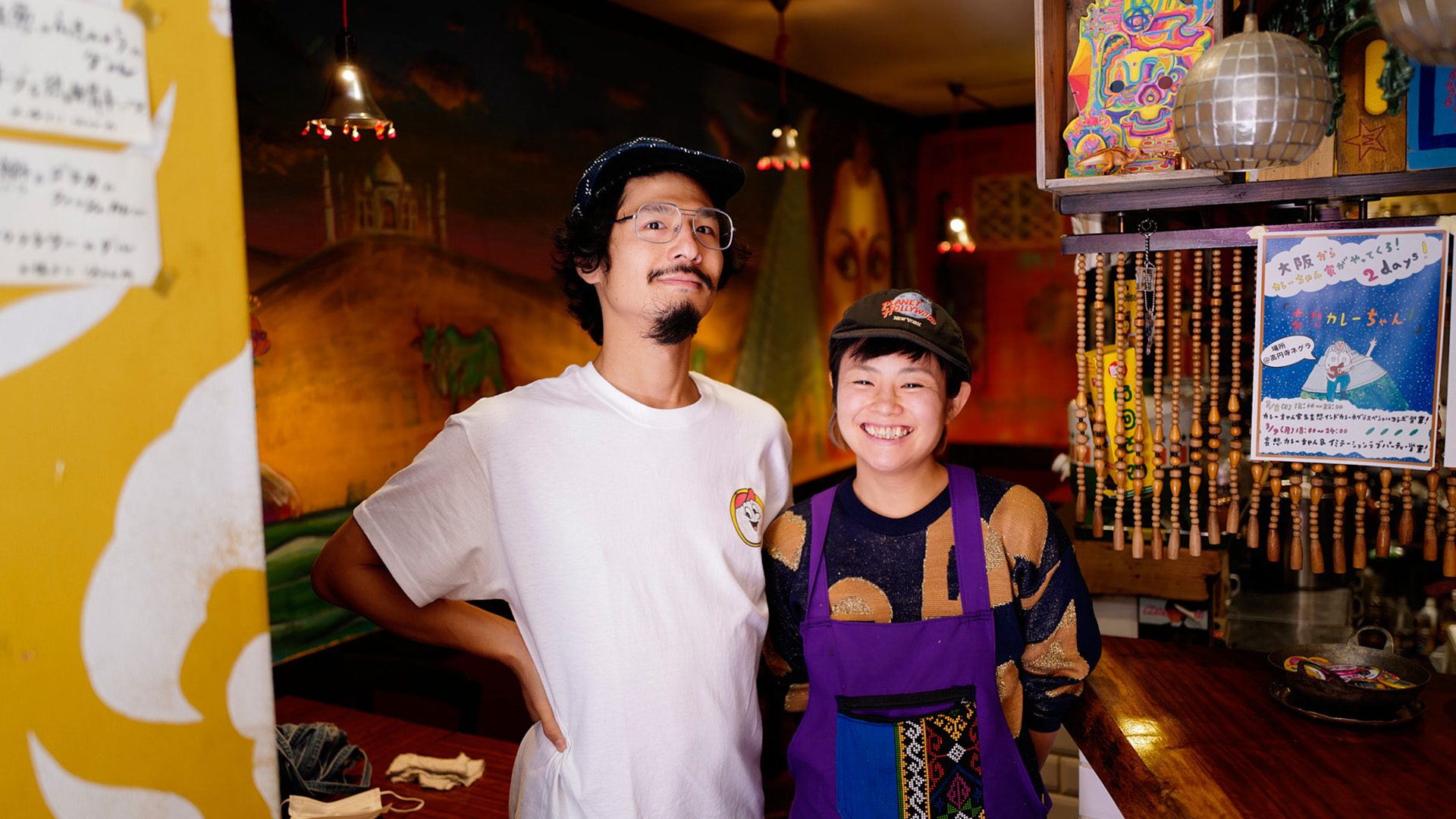
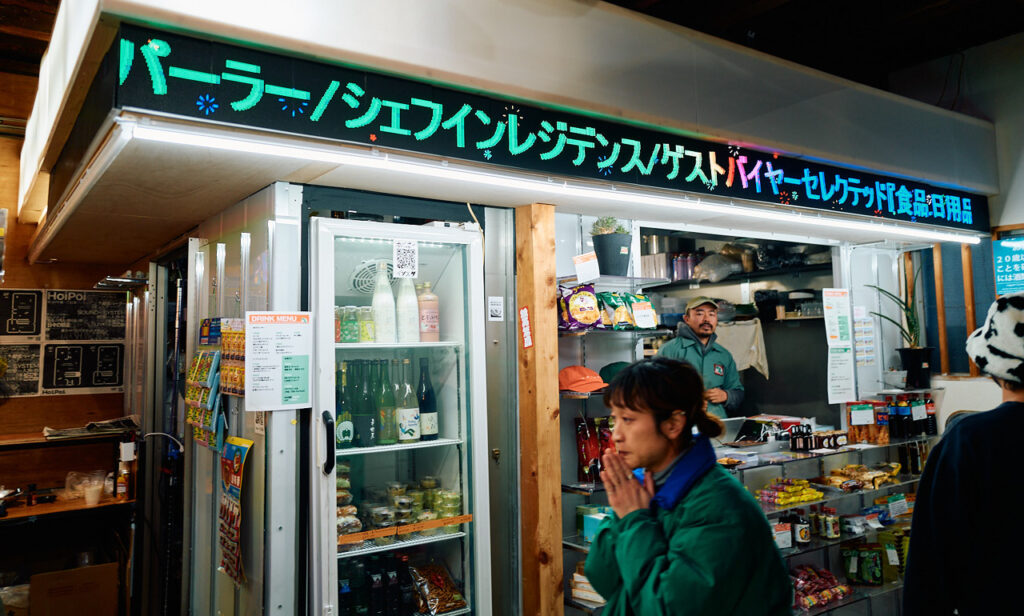
Among those reinterpreting this open-ended approach in their own way are Shiro and Maiko. With their curry place Negura, they stand out through ever-changing menus and a boundary-pushing philosophy. Meanwhile, HoiPoi, an underground space they run, functions as a meeting point for interdisciplinary production, from music to art, rooted in a DIY ethos. We spoke with Shiro and Maiko about curry, their creative practices and Tokyo’s underground dynamics.
“In every dish, we try to hold the changes brought by the seasons, by our surroundings, and by the experiences and encounters that shape our lives.”
How and when did your love for curry start?
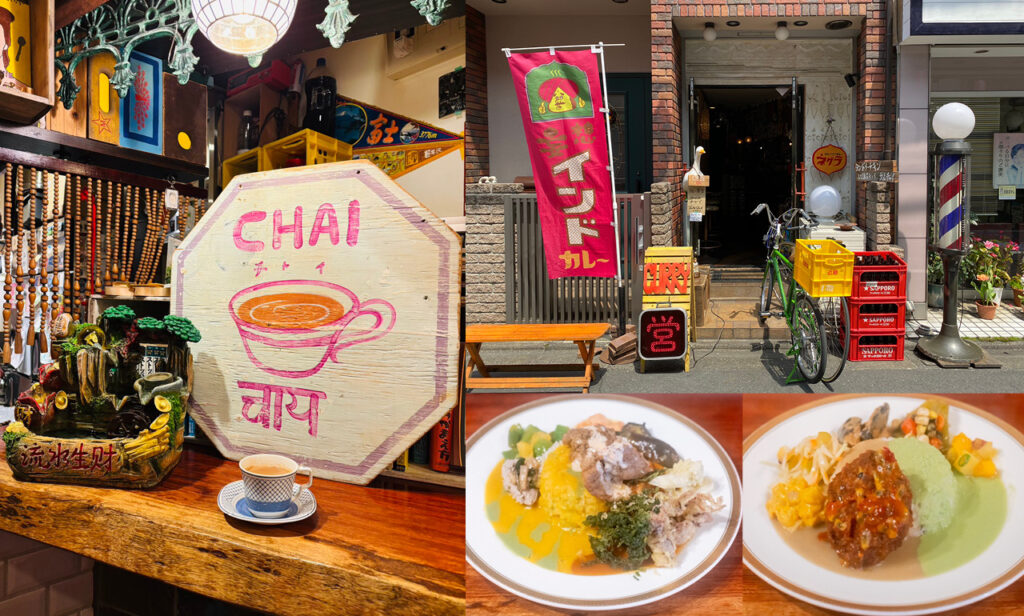
In Japan, curry is not defined by the idea that faithfully reproducing a specific local version from somewhere is the correct answer. Rather, it is a dish that comes to life through the combination of spices and ingredients. One that leaves space for ideas. That openness is what makes curry so interesting to us, and it’s why we continue to cook it.
Change is something we value deeply. Instead of fixing a menu, we serve a different one-plate meal each day we open.
How would you define the goal of Negura Curry? What makes it different from other curry places?
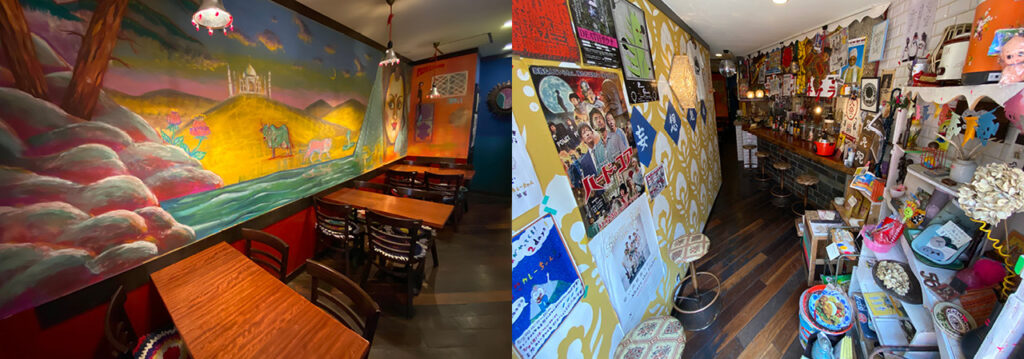
In every dish, we try to hold the changes brought by the seasons, by our surroundings, and by the experiences and encounters that shape our lives. Our food is difficult to define as belonging to any one country. Sometimes people say, “I’ve never tasted this before, but it reminds me of a dish from my country”. Others say that it brings back the memory of something they once ate in another place.
For us, who love to travel, those words mean a great deal. When you walk down a narrow street in a foreign country and suddenly catch the smell of something delicious… When the language and music of that place drift through the night air, and your body begins to move without you realizing it. When a place you have never been before somehow feels strangely nostalgic… We hope that people who visit Negura can experience something like that. We cook with the hope that a dish someone has never eaten before might one day become a nostalgic taste to them.
“Tokyo is a place where many layers of life and different elements intertwine, yet somehow it never becomes complete chaos. Perhaps because we live inside that balance, we can feel the raw texture of Tokyo more clearly.”
Besides Negura Curry you also run the underground event space HoiPoi. What is the idea behind HoiPoi?
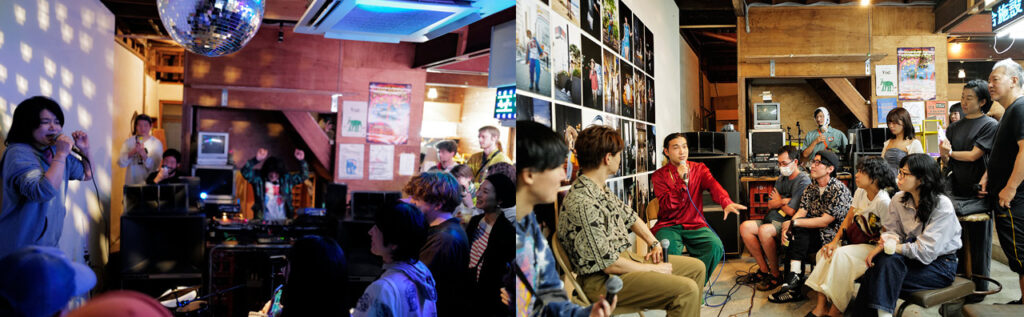
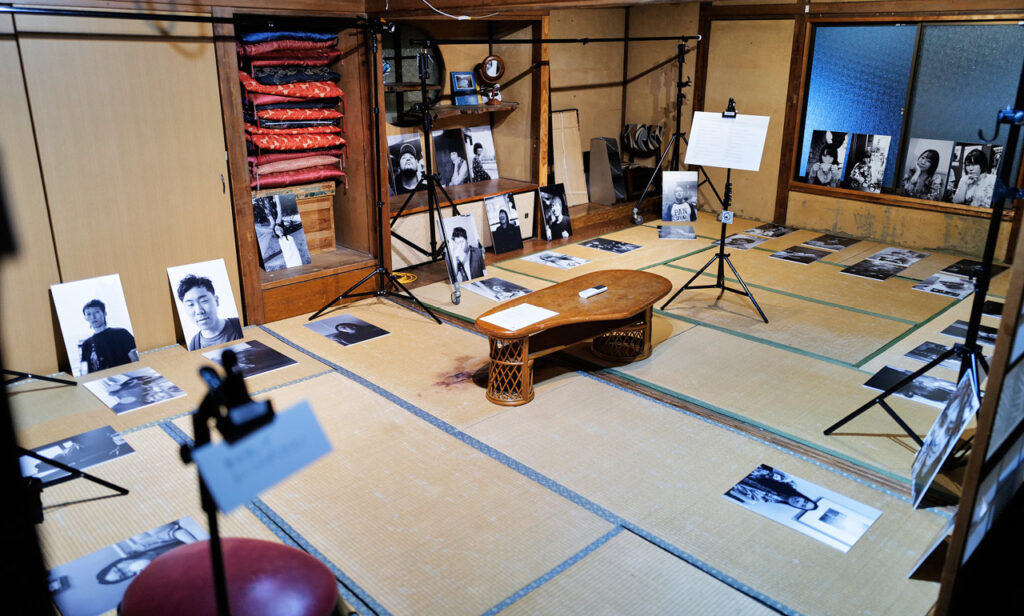
HoiPoi is an alternative space that carries the spirit of a convenience store. It’s a Japanese house that feels as though the convenience stores scattered all over the city had evolved in their own way, gaining the functions of a gallery or a live music venue. As a place for presenting culture, we value a sense of incompleteness. Rather than perfect branding, it’s a place where a certain openness remains, where the roughness of DIY can be enjoyed.
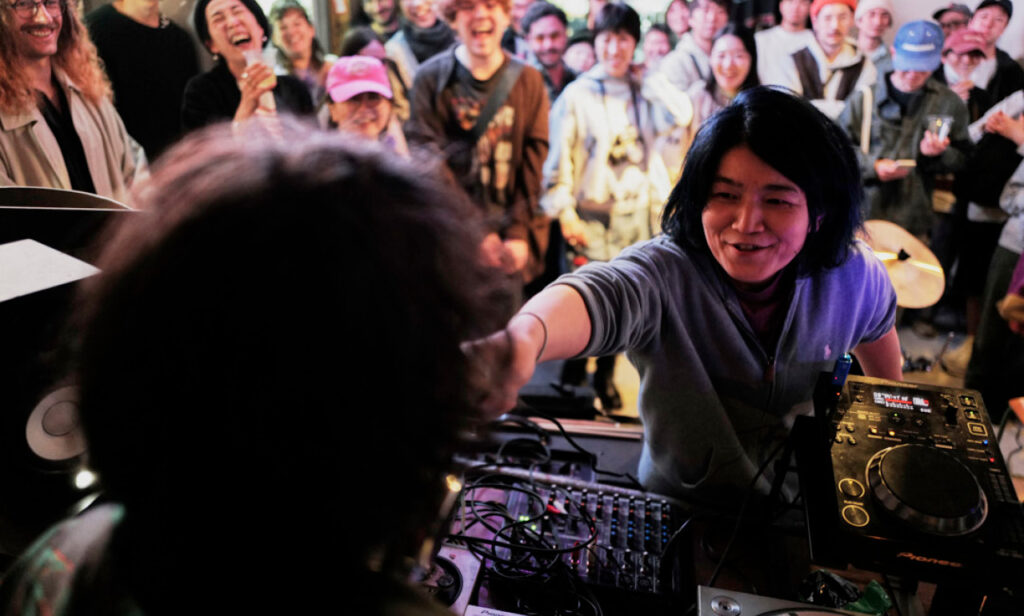
The distance between artists, visitors, and staff is close. We hope it becomes a place where encounters happen naturally, and where small events can spark the beginnings of community.
From our experience, HoiPoi has an important role in Tokyo’s cultural underground scene. Can you tell us more about the scene, and where HoiPoi stands?
Independent culture exists within a very small economic sphere. Even when what people create is fascinating, it is often difficult to make it financially sustainable. And yet, there are people who continue to insist on being independent.
Instead of moving directly toward solutions based on profitability, they approach problems with ideas and performances that are free from those constraints. The result is something that may appear unproductive, yet at the same time deeply challenging. It’s not that these problems are ignored. Rather, shifting perspective–almost like being deliberately contrary–can itself become a kind of clever entertainment.
At HoiPoi, we hope to be a place where that kind of entertainment can emerge. We keep communicating with artists and continue creating improvised events through spontaneous collaboration. Of course, sustaining independent culture is physically and financially demanding. So, while protecting our intentions, we are always searching for opportunities, moments when something unexpected might suddenly mutate into a new possibility.
What are some of your favorite local bands and artists?
Tokyo is a place where many layers of life and different elements intertwine, yet somehow it never becomes complete chaos. Perhaps because we live inside that balance, we can feel the raw texture of Tokyo more clearly. The indie music label Kakubarhythm, to me, represents one of the symbols of Tokyo culture.

Recommended restaurants in TOKYO, by SHIRO and MAIKO
Edomaru, a standing soba shop along one of Tokyo’s well-known ring roads. It has unusual hours, open only from 5 a.m. to 2 p.m. After a long night in Koenji, it’s a classic place for breakfast. Their salmon roe rice ball is excellent, but it sells out quickly.
Another place is a sushi restaurant Shoei Sushi. It’s inside Nakano’s famous pop-culture chaos landmark, Broadway. Although it is simply a building, Broadway somehow feels like a community with a will of its own. Within that strange collective, this place continues to exist as everyone’s neighbourhood sushi restaurant.
Something about TOKYO that remains a mystery to SHIRO and MAIKO
Even though we live in Tokyo, we haven’t been to the ocean for more than ten years. We might go to Shibuya once a year or sometimes not even that. Our lives are centred within a very small living area, and the feeling of being in a gigantic city like Tokyo is surprisingly faint.
We were born here and still live here, but we might know more about regional cities in Japan than we do about Tokyo itself. The longer we live here, the harder it becomes to see “Tokyo” as Tokyo. That strange feeling still remains a mystery to me.
A scent distinctive to TOKYO according to SHIRO and MAIKO
At soba shops, the soup stock is prepared before opening. As the soy sauce simmers and slowly reduces, a strong aroma escapes and drifts into the streets. Soba has long been a kind of street food in Tokyo.