

The desire for forms to change: CHIEKO KOGURE
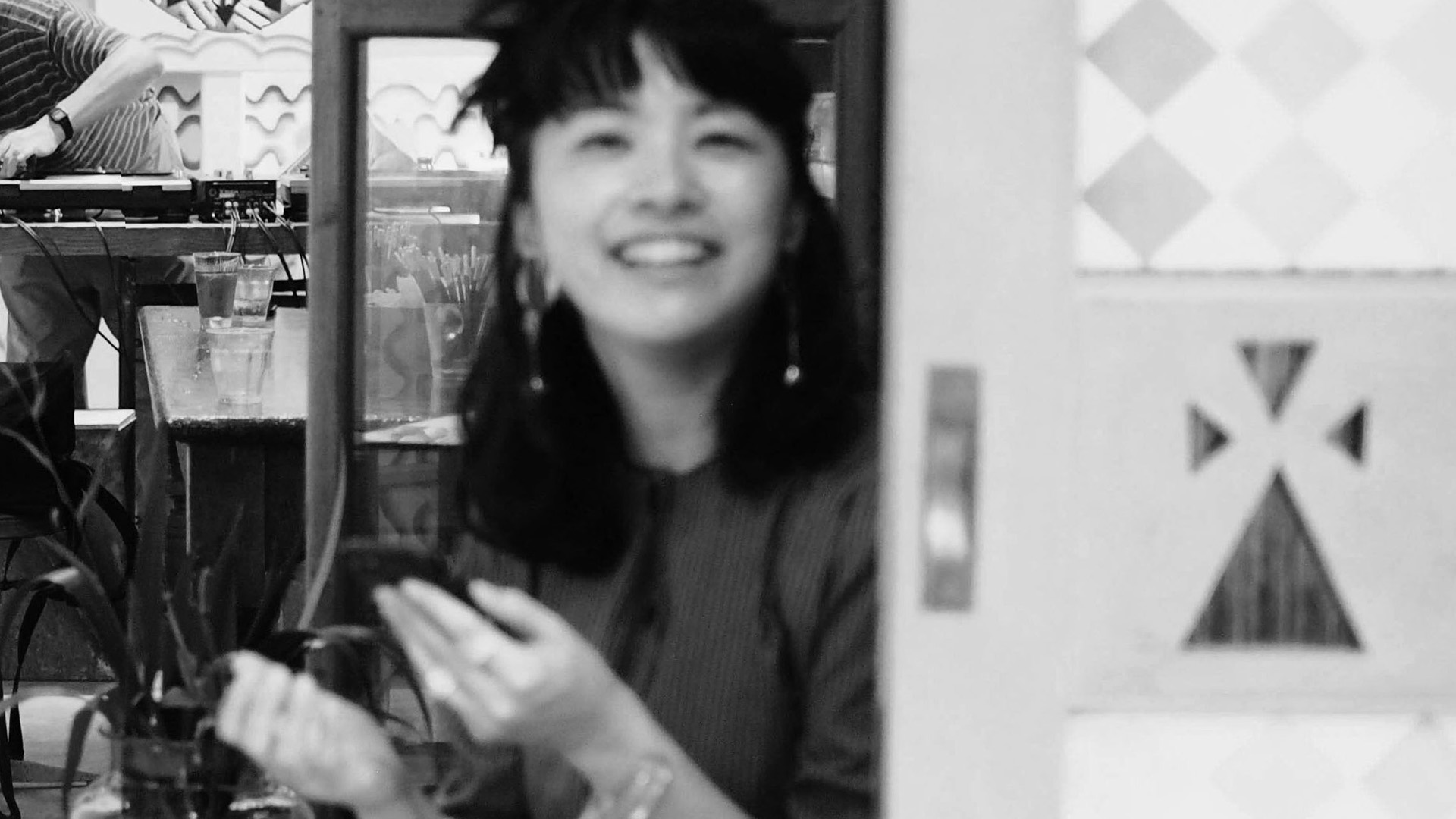
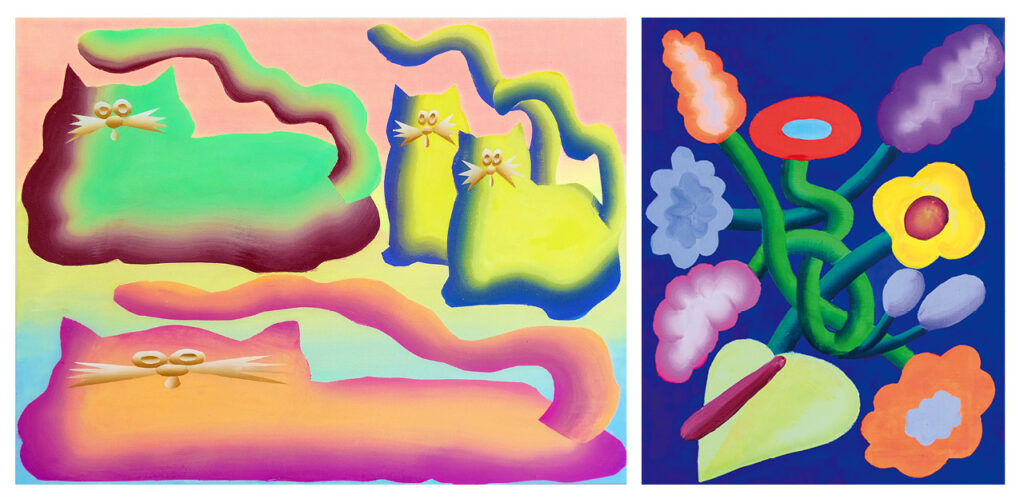
One of Tokyo’s young and prolific artists, Chieko Kogure draws attention with the bridge she builds between illustration and contemporary art. In her works, she explores the intersections of light, color, and the unconscious with conscious expression, while also interpreting animism, deeply rooted in Japanese culture, from a modern perspective. Through both her commercial and artistic productions, she brings together different worlds. We spoke with Chieko Kogure about her sources of inspiration, Tokyo’s art scene, and her personal journey.
“Rather than a competitive atmosphere, I feel there is a strong sense of mutual support and collaboration [in Tokyo].”
What emotions, ideas, or questions do you wish to explore further through your work?
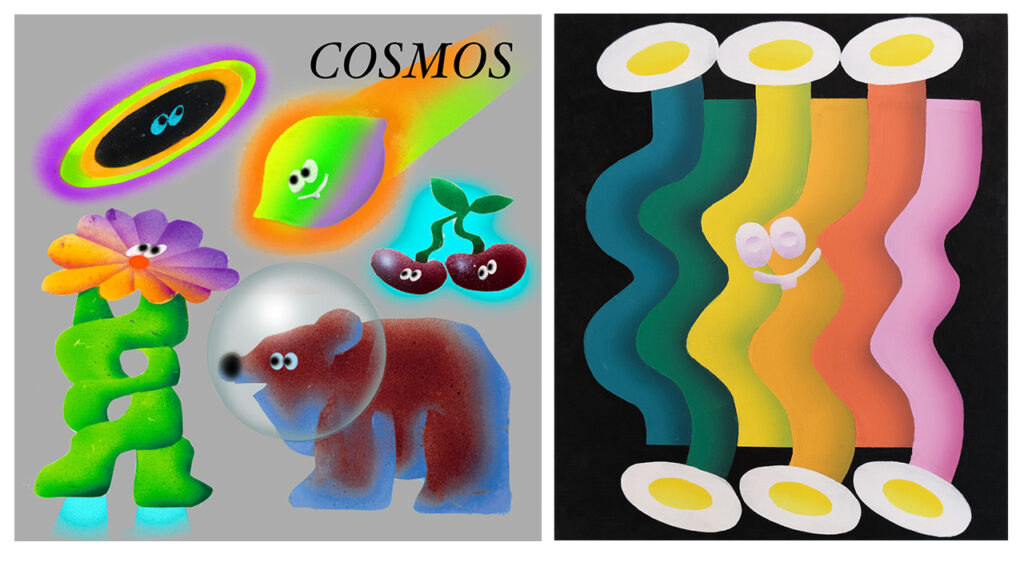
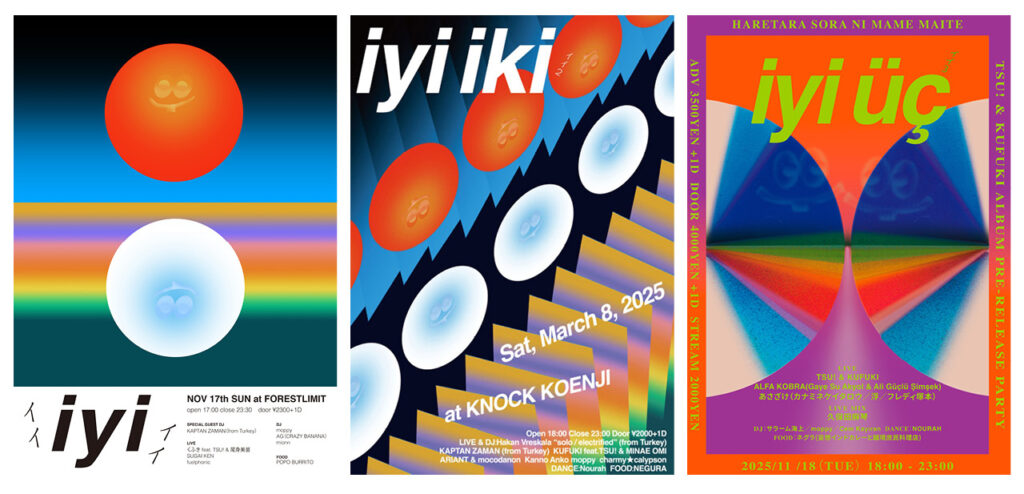
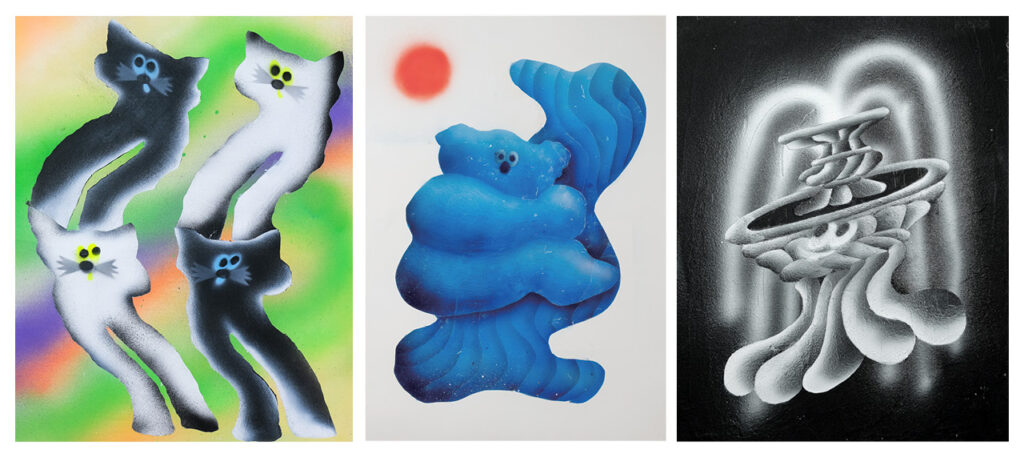
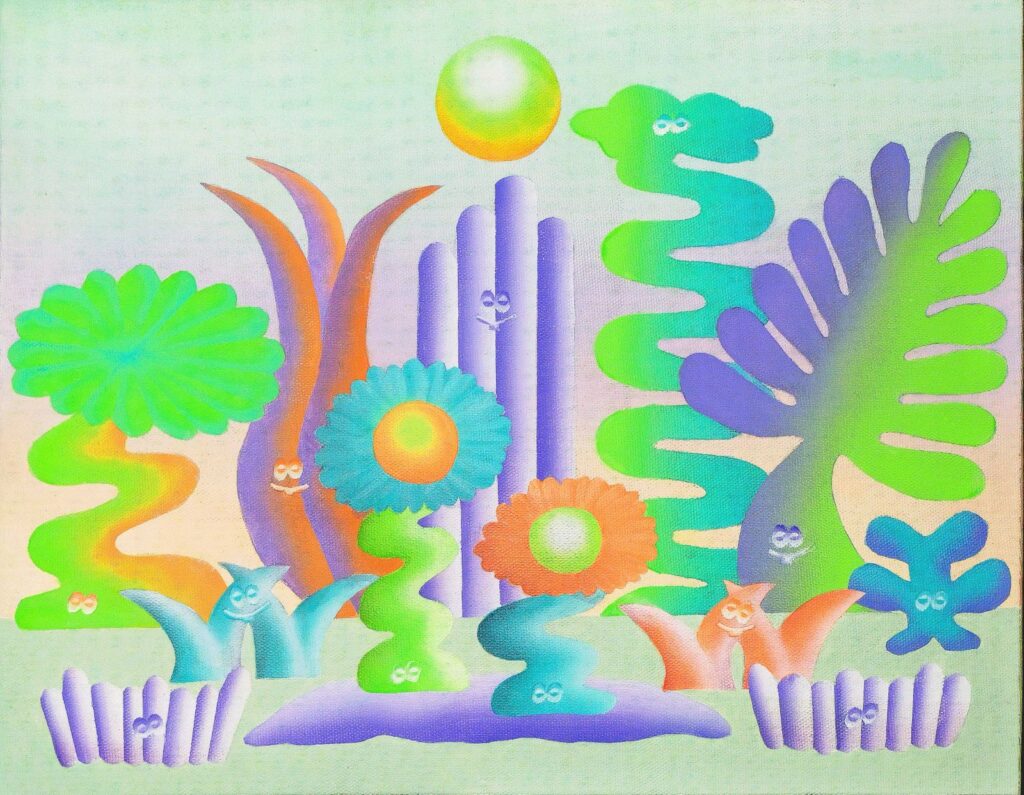
There are several themes I want to explore through my work. First, I am fascinated by how light, colors, and effects interact with each other. I am also deeply interested in moments when unconscious elements naturally intersect with intentional expression.
Additionally, many of my works feature objects—both organic and inorganic—that have faces. This represents a sense of feeling life in all things, fostering familiarity, and coexisting with them. I believe this idea is connected to animism, which is deeply rooted in Japanese culture. I want to continue exploring ways to express this concept from a modern perspective.
Are there any films, books, or musical works that you feel share a similar atmosphere or sensibility with your work? How are they similar?
One work that resonates with me is Mort Garson’s 1976 album Plantasia. The album was created with the concept of being “warm earth music for plants and the people who love them”, utilizing Moog synthesizers to craft a unique soundscape.
When I first heard it, I felt a strong connection to its distinctive world. The album’s harmonious blend of digital and organic elements, its psychedelic yet humorous atmosphere, and its delicate balance between pop and avant-garde all align with the direction of my work.
Moreover, as someone who works in both commercial illustration and art, I find it fascinating that Plantasia was originally created as a commercial novelty item. This background adds another layer of intrigue and personal attraction to the album.
Do you have any rituals, routines, or methods to enhance concentration or find inspiration when working on designs?
To expand my ideas, I take walks and let my thoughts flow freely. When I need to focus, I also find meditation to be highly effective.
What is life like as a young artist or designer in Tokyo? Is the art scene competitive, or is there a culture of mutual support?
Tokyo has many small galleries and gallery-shop hybrids, providing numerous opportunities for young artists to showcase their work. These spaces are interconnected, and artists frequently introduce and support one another, contributing to the growth of the scene. Rather than a competitive atmosphere, I feel there is a strong sense of mutual support and collaboration.
A scent that’s distinctive to TOKYO according to CHIEKO KOGURE
I believe Tokyo’s scent is defined by the contrast between the natural aromas brought by Japan’s four distinct seasons and the artificial scents unique to the urban environment. This interplay of natural and man-made elements is what makes Tokyo’s fragrance so distinctive.
Recommended art spots and galleries in TOKYO, by CHIEKO KOGURE
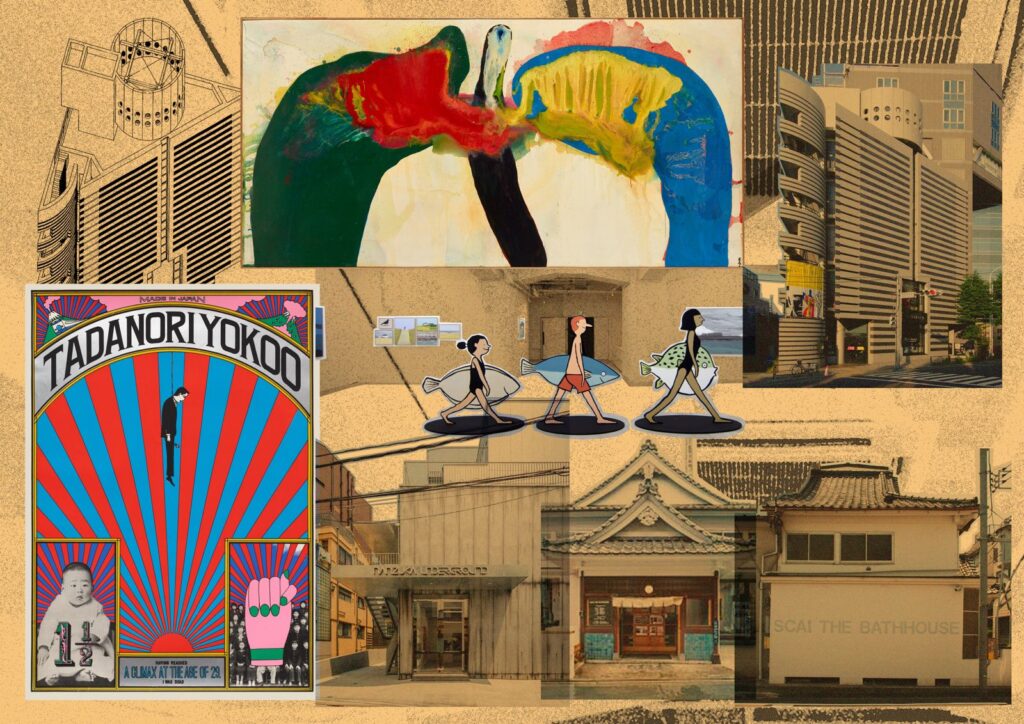
The National Museum of Modern Art, Tokyo, Tokyo Photographic Art Museum, Japan Folk Crafts Museum, Watari Museum of Contemporary Art (Watarium), SCAI THE BATHHOUSE, NANZUKA UNDERGROUND, Complex 665, Pyramide, Ueshima Museum & Annex.
TEENAGE KICKS: CHIEKO KOGURE’s early influences in JAPAN
Nobuhiko Obayashi, Keiichi Tanaami, Taro Okamoto, Tadanori Yokoo, Genpei Akasegawa, Yasuharu Hanamori, Kenzaburo Oe, Kishio Suga, Sadamasa Motonaga, Masayoshi Nakajo, Toru Takemitsu, Isao Tomita, Yellow Magic Orchestra (YMO), Hayao Miyazaki, Isao Takahata, Yoshiharu Tsuge, Kazuo Umezu, Shigeru Mizuki.