

Where reggae meets punk and to resist is to live: MASATAKA ISHIDA AND “STRUGGLE”
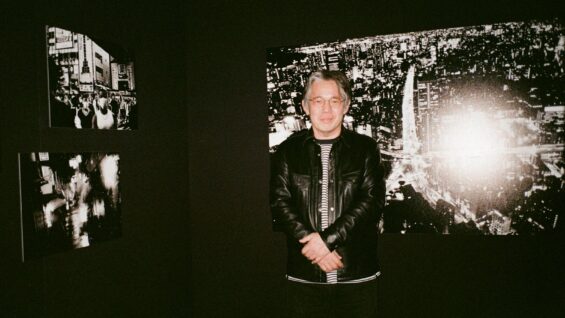
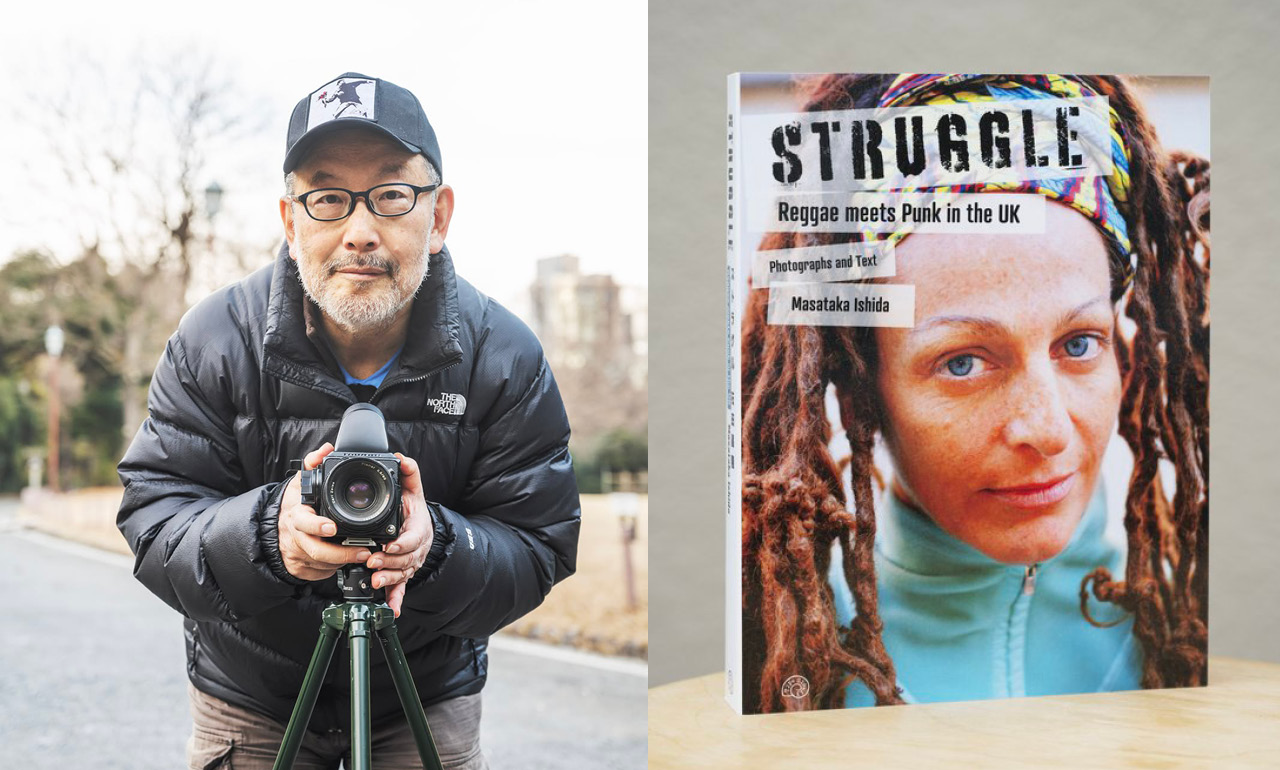
Masataka Ishida is a relentless explorer of culture and music, who has travelled extensively to collect and retell stories. He photographs, and he writes. He has photographed countless bands over the years from Nirvana to The Cure, and created album covers for artists such as Jane Birkin, Faye Wong, Caetano Veloso, and Nusrat Fateh Ali Khan, along with Relaxing with Japanese Lovers compilations which spotlight Japanese music in the lovers rock style. In his latest book, Struggle (Type Slowly, 2024), Masataka Ishida presents a life’s work; his travelogue of Jamaica, UK, and Japan from 1982 to 2023, walking a path through the crossroads of punk and reggae, between sound systems and punk shows. Featuring a photograph of Ari Up (1962–2010) of the Slits on its front cover, Struggle is his 41-year journey in search of “true freedom”, a collection of immigrant musical stories from the UK and peaceful possibilities shaped by tunes that wear down social boundaries. And Masataka Ishida is here to tell us all about it.
“Jamaica in 1982 was amazing, so it would be fun to go back there. But I thought I might find a more continuous story by going to the UK, where Jamaican immigrants and their descendants play their own style of reggae.”
How has the reaction to your book Struggle been like so far in your hometown? It feels like such a life’s work spanning many years could have the power to bring back memories as well as people from different generations.
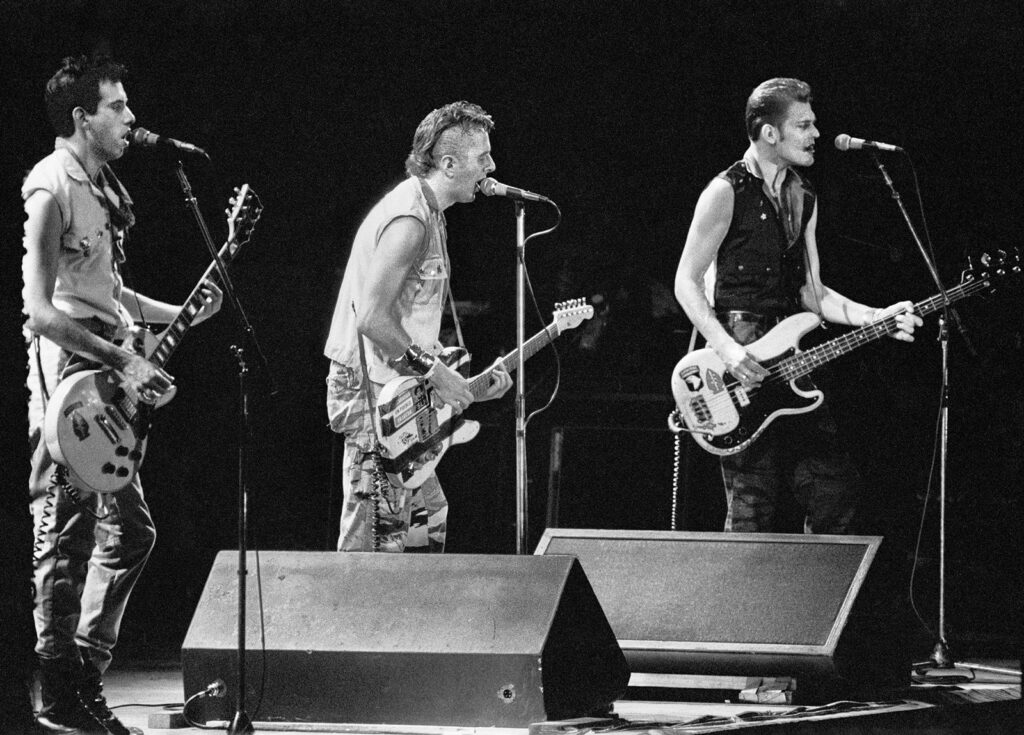
Struggle is a book that combines photos and episodes taken during visits to the UK in 1984, 1989, 1995, 1996, 1999, 2002, and 2023, starting with photos of The Clash taken in New York in 1982, and using photos of related musicians taken in Japan, the UK, and Jamaica. It is a book written by referring to various documents, documentary films, and TV programs in addition to listening to actual recordings about the history of immigrants from Jamaica and other Caribbean Commonwealth islands in the UK, the music they played, and the music that was born from their encounters with young white British people.
My books always contain a mixture of elements such as travelogues, cultural theory based on political backgrounds, and music theory. I think that anyone can read the travelogue and cultural theory parts, but the music theory parts are difficult to read unless you have listened to some related music. As for Struggle, I get the feeling that it resonates with people who are interested in UK music, but it isn’t being picked up by people who aren’t interested in UK music or the history of immigration in the UK.
You mention in the book that the themes around the music and the culture you have pursued for many years only started to get clear recently. When you first went to Britain in 1984 to spend time around the Jamaican diaspora in London with your camera, do you remember what it was you were looking for? What excited you the most?
Jamaica in 1982 was amazing, so it would be fun to go back there. But I thought I might find a more continuous story by going to the UK, where Jamaican immigrants and their descendants play their own style of reggae, and taking photos that are part of their lives.
I thought this way because when I listened to reggae in the UK, especially the music of Aswad and Linton Kwesi Johnson, I was drawn in by the cool feeling that was different from Jamaican reggae.
How were you first introduced to black music and reggae?
The first black music record I bought was by Otis Redding, followed by Bob Marley in 1976 when I was a university student. The first black music concerts I went to were by Art Blakey and Jimmy Cliff in 1978, and Bob Marley in 1979.
What was the initial spark that made you take a plane to Jamaica in 1982?
I was greatly influenced by two photobooks that captured black people in New York in the 1960s, Bruce Davidson’s East 100th Street (1970) and Ruiko Yoshida’s Harlem: Black Angeles (1974). I knew that even if I took photos in New York in the 1980s, I would never be able to compete with them. So when I thought about where I should take the photos, I decided on Jamaica.
What was your experience of being a non-white photographer documenting the Brixton scene like?
It’s easier for non-white people to get their photos taken in Brixton. Furthermore, many people whose parents are immigrants from Jamaica have never been to Jamaica themselves, so when I said I’d been to Jamaica, people looked up to me.
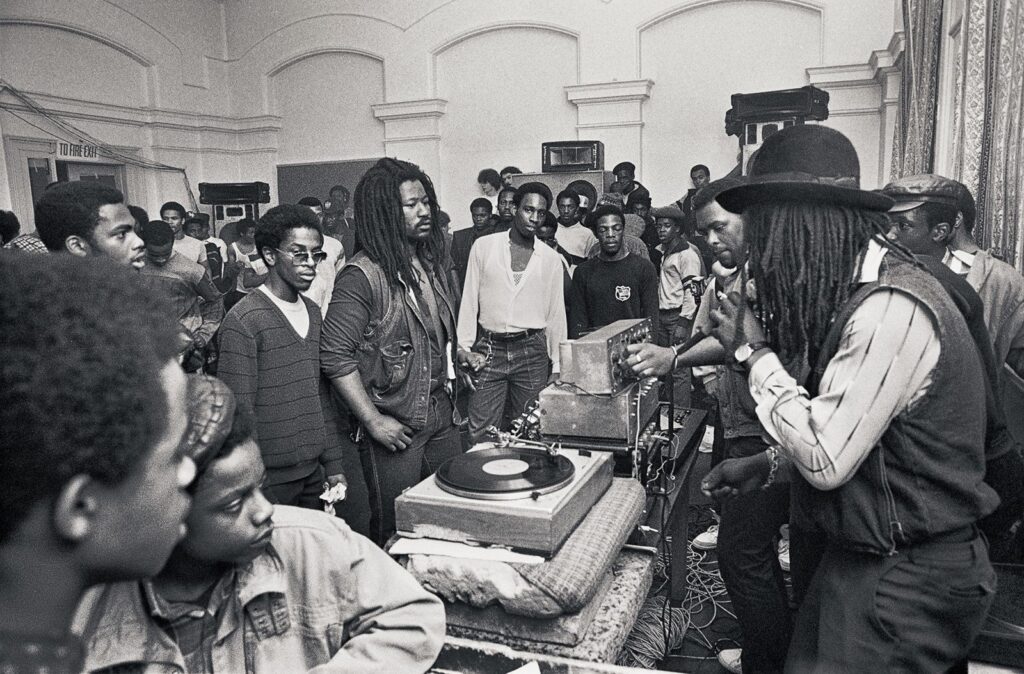
What are some of the things that stuck with you most around the soundsystem events in 1980s in South London?
In 1984, Saxon Studio International suddenly became popular, replacing Sir Coxsone Outernational, who had been the most popular until then. “Mi God Mi King” (1984) by Papa Levi, who was Saxon’s representative MC, was number one on the reggae chart in the music newspaper Black Echoes. It was particularly memorable to be able to listen to Papa Levi’s MC in real time.
Also, on the sound systems in London in 1984, 80 % of the records played were Jamaican reggae. Sugar Minott’s “Dance Hall We Deh”, Frankie Paul’s “Fire De A Mus Mus Tail”, Tony Tuff’s “Mix Me Down”, Patrick Andy’s “Get Up Stand Up”, etc. Among them, I remember that the London lovers rock group Natural Touch’s “Gimme Good Loving” was often played.
“I think that in regional cities like Bristol, the birth of Massive Attack, Birmingham, the birth of UB40, and Coventry, the birth of The Specials, the wall between whites and blacks was not as strong as in London.”
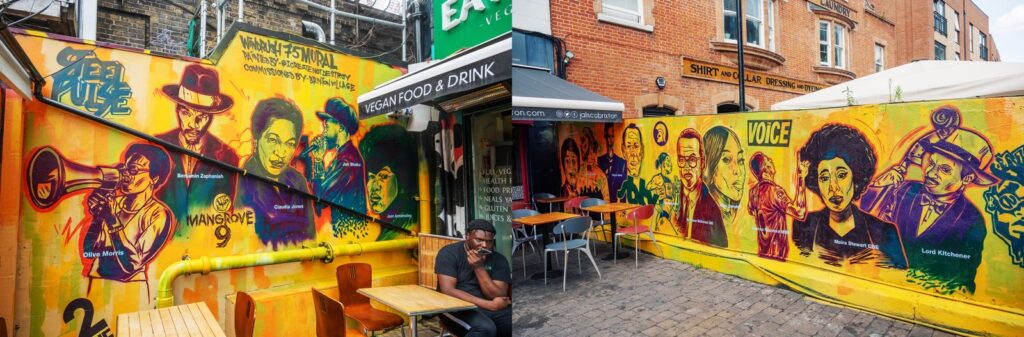
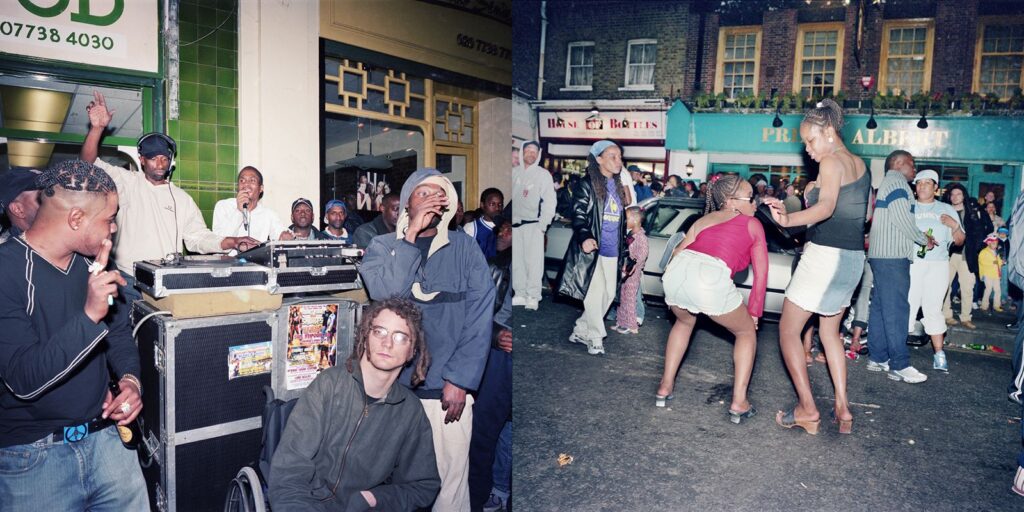
In BBC’s Reggae Britannia documentary, Carroll Thompson mentions that the effect of reggae music becoming pop music in the 1980s Britain did not actually effect them at all, since “the music industry” wasn’t really interested in black talents. What were your observations in terms of racial discrimination in the music industry and the music press back then? What were your experiences in terms of racial segregation on street level, in music events, etc.?
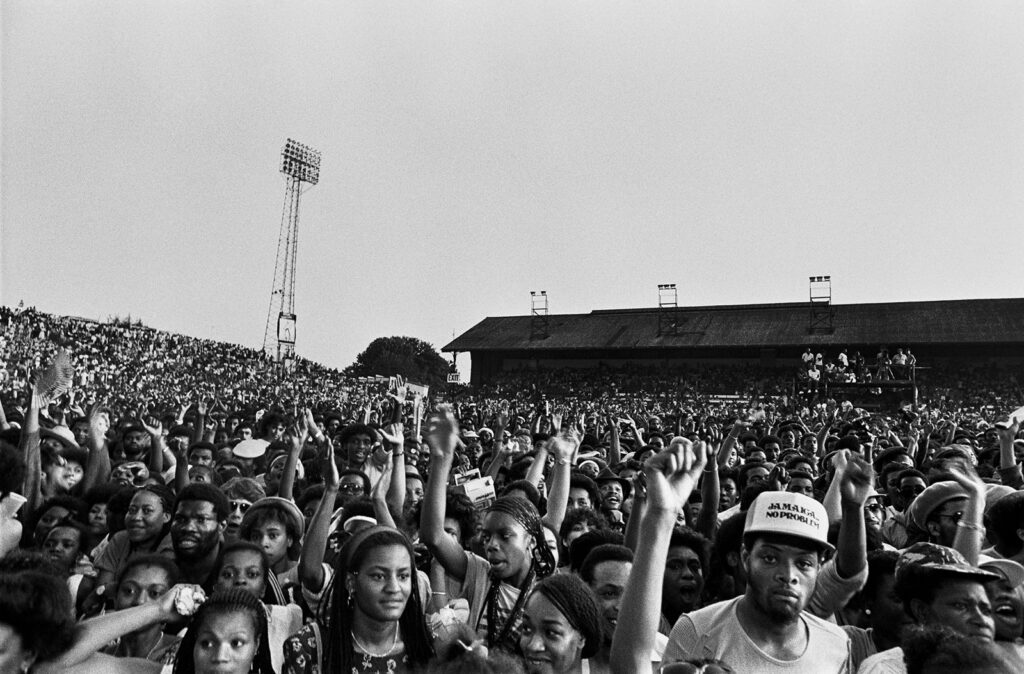
What surprised me when I went to London in 1984, was the thickness of the racial barrier. The performers at Reggae Sunsplash, held in South London, were The Skatalites, Prince Buster, Aswad, Black Uhuru, King Sunny Adé And His African Beats, Lloyd Parkes & We The People, Leroy Sibbles, and Dennis Brown. This was The Skatalites’ first performance in the UK, so I thought there would be a lot of white fans of The Specials, but I was surprised that most of the audience were black. The photo on the back cover of Struggle is of the audience at this time.
On the other hand, the performers at the Free Nelson Mandela Benefit Concert, held in South London, were Jimmy Cliff, Aswad, Hugh Masekela, Gil Scott-Heron, and others, but the audience was mostly white.
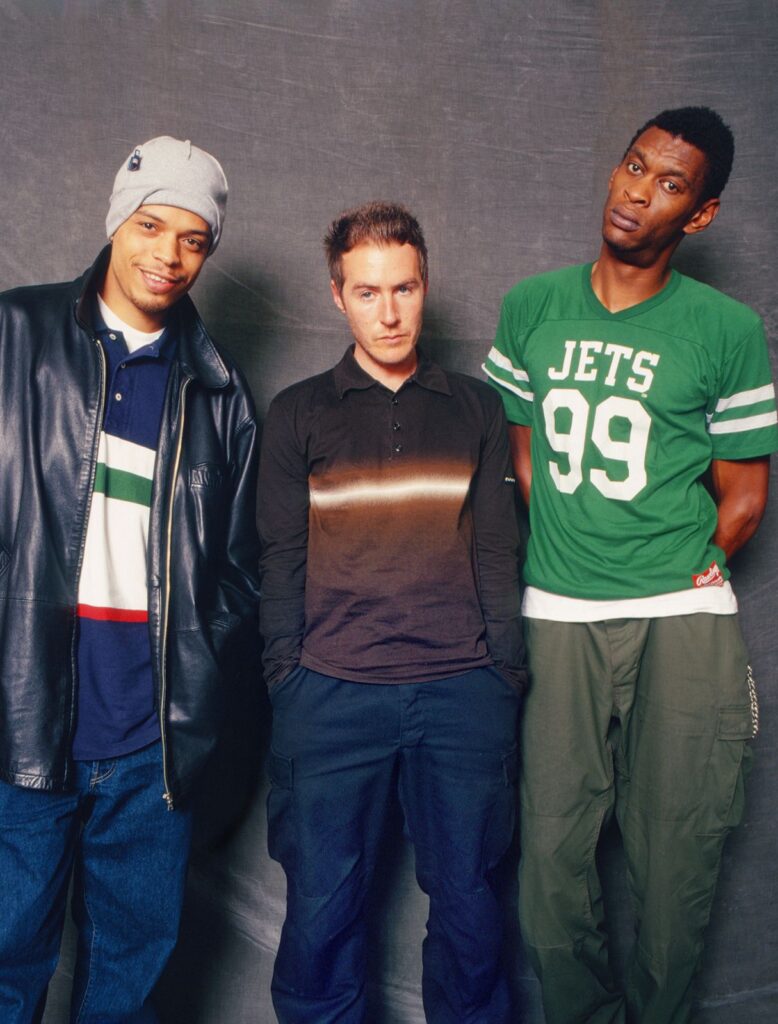
I think that in regional cities like Bristol, the birth of Massive Attack, Birmingham, the birth of UB40, and Coventry, the birth of The Specials, the wall between whites and blacks was not as strong as in London.
Bristol in particular has had a culture of whites and blacks enjoying music together since the days of the Wild Bunch in the 1980s, but when I went in 1995, the reggae sound system was almost entirely made up of black people.
I learned later that when soul, funk, and hip hop start to be involved, white audiences start to come, but when it’s just reggae, the audience is almost entirely black.
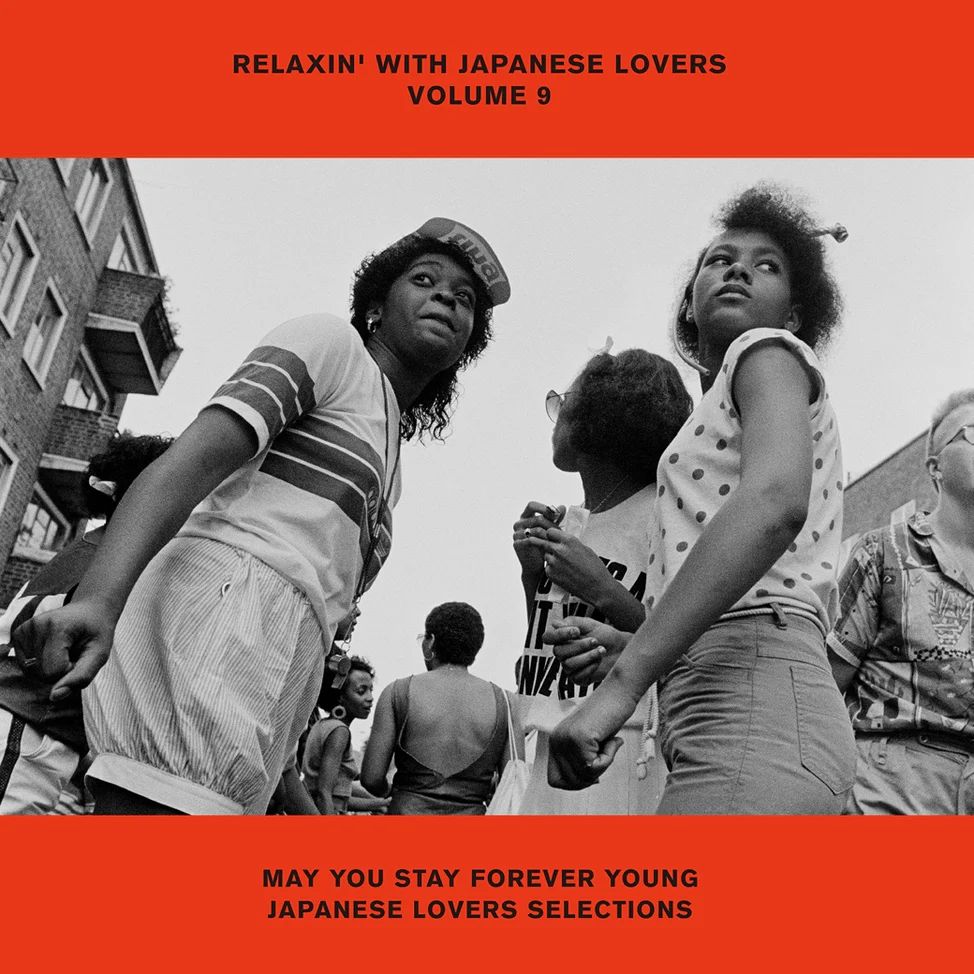
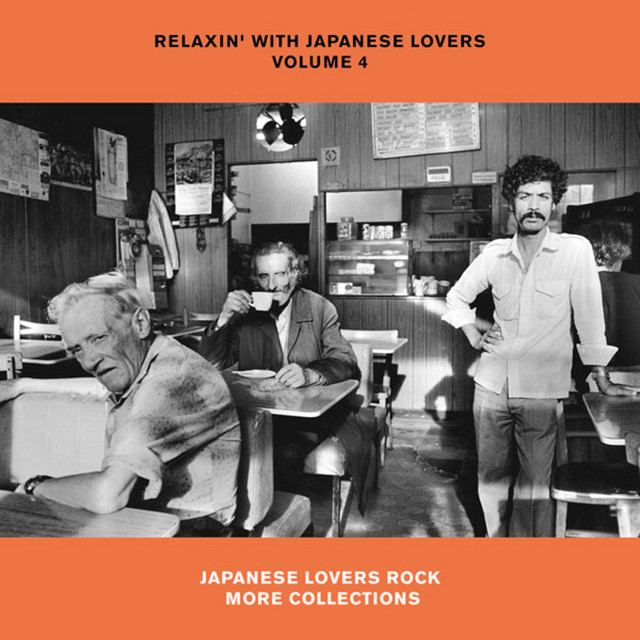
The cover images of the Relaxing with Japanese Lovers compilations are amazing. Why did you especially include a selection photographs of young kids and young adults for these covers?
Relaxing with Japanese Lovers is a compilation of Japanese music in the lovers rock style, and is paired with the Relaxing with Lovers series of compilations of real lovers rock from the UK from the late 1970s and 1980s, with a similar design. Relaxing with Lovers uses photos of rude boy-like people, while Relaxing with Japanese Lovers mainly uses photos of women and children.
Are you planning on creating another book on a different theme presenting other photos you took over the years?
My next book is called Africa Brasil and is inspired by Jorge Ben’s África Brasil. It will combine photos and travelogues from the countries I’ve photographed so far–South Africa, Zimbabwe, Nigeria, Ethiopia, Brazil, Cuba and Haiti–with photos of musicians from those regions taken in Japan and Europe, to portray the relationships between the two sides of the Atlantic.

Tokyo walking route recommendations by MASATAKA ISHIDA
The donut-shaped areas just outside the city center are interesting. If you go too far into the suburbs, it becomes boring again. I think this is true not only of Tokyo, but also of London and Paris. In Tokyo, the areas around Koiwa, Akabane, Kichijoji, Shimokitazawa, and Oimachi are interesting, aren’t they!
TEENAGE KICKS: MASATAKA ISHIDA’s early influences in Japan
Mitsuharu Kaneko. The Mukden incident in 1931 caused anti-Japanese sentiment in Europe to worsen. At that time, Mitsuharu Kaneko, who was staying in Paris and Brussels, boarded a ship from Marseille to return to Southeast Asia. I was moved by the book Nishi higashi (West and East) which was written 43 years later in 1974 as vividly as if it were yesterday about the story of that time. I also remember the events of 43 years ago as if it were yesterday, so I feel that I have to write the book I need to write well.