

Master of Japanese Graphic Art and his legacy: TAKASHI KONO & GALLERY 5610 (by KYU KONO)
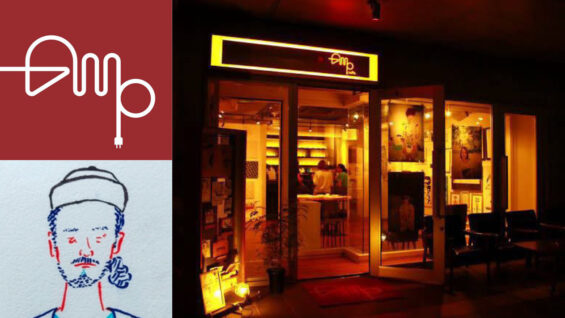
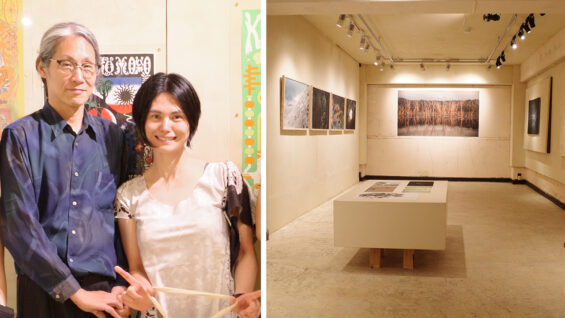
Perched on the edge of Omote-Sando, Gallery 5610 stands as both a hub for contemporary graphic arts and a monument to Japan’s design heritage. It was founded to honor Takashi Kono (1906–1999), one of the pioneers of modern Japanese graphic design. Active from the 1920s to the late 1970s, Kono created everything from book and magazine covers to Olympic and film posters, blending traditional Japanese aesthetics with the minimalism of modernism. His use of form and color, often with symbolic motifs like fish, set him apart and earned him international recognition, with works now in collections such as MoMA in New York. Today, under the direction of his grandson Kyu Kono, Gallery 5610 continues to host exhibitions, keeping alive the spirit of a designer who helped shape Japan’s visual identity.
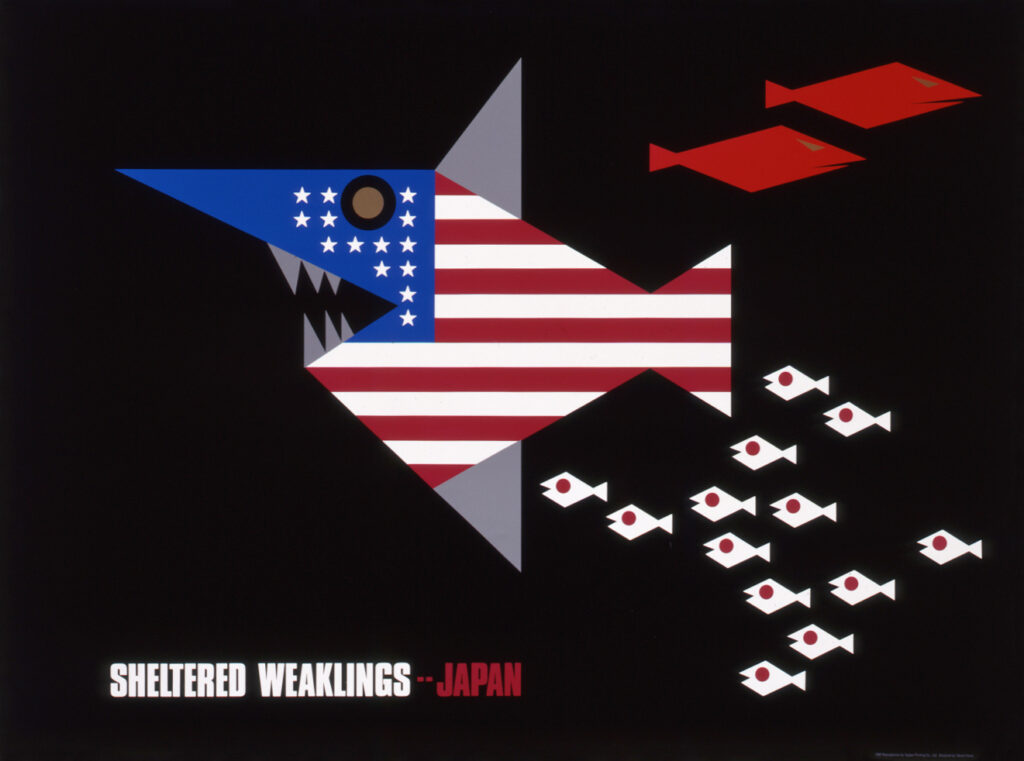
“His poster Sheltering Weaklings, which he made in 1953, attracted public attention the year of Japan’s independence after the US occupation from 1945. The satire shows the situation surrounding Japan in the Cold War after the second world war.”
What is the importance of your grandfather’s work for the Japanese design culture?
Some said, it was him who had spread the area as large as possible without any railroad tracks of the field itself, when he started his works in Japan. The word “design”, or social understanding of it as a job was non-existent in those days. The next generation built the rails, then the following generation just got on the railroad trucks and ran. Of course, this was all before computers became design tools.
Which three works of your grandfather would you choose as the “landmarks”? What are the stories behind them?
It’s quite difficult to choose only three works, which clearly shows his individuality. He frequently used fish forms and colors to express his design items. Especially the poster Sheltering Weaklings, which he made in 1953, attracted public attention the year of Japan’s independence after the US occupation from 1945. The satire shows the situation surrounding Japan in the Cold War after the second world war. Japan, the defeated nation as a group of tiny fishes, is sheltered by US, the victorious nation as a big shark in the foreground, while the Red nations (possibly the former Soviet Union and China) pass to the opposite direction in the background.
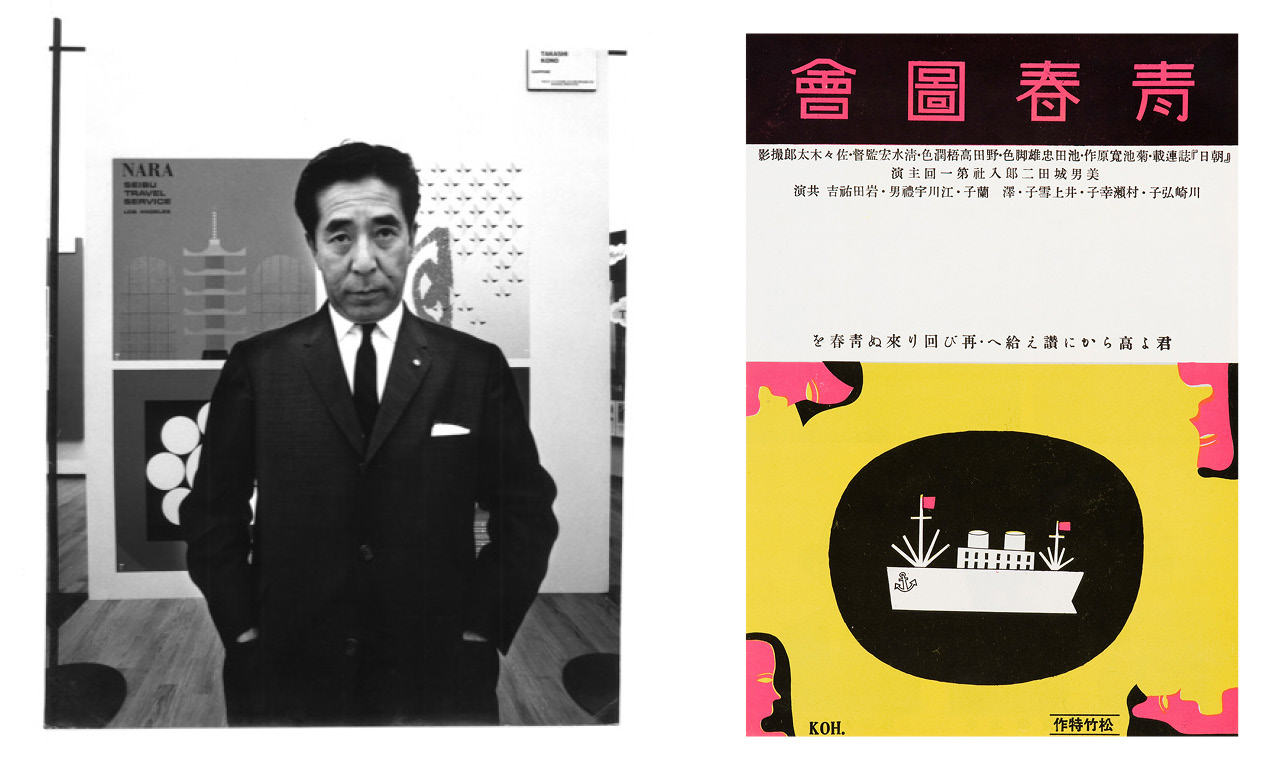
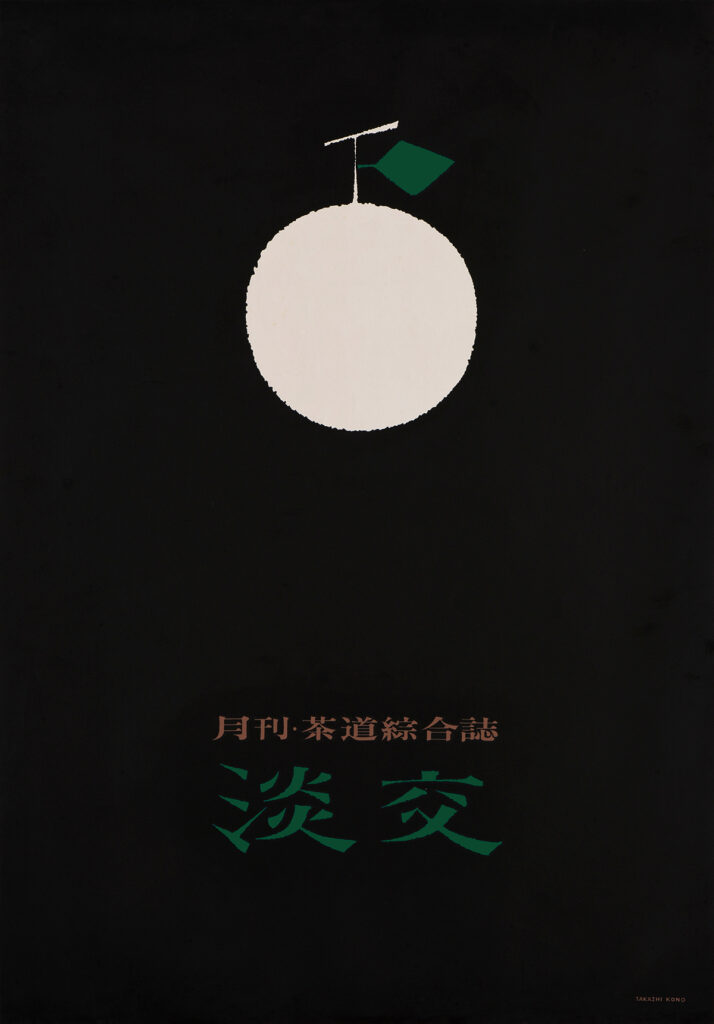
The second is a poster for the tea ceremony comprehensive magazine Tanko, which expresses the wabi-sabi of the tea ceremony through simple colors and shapes. This poster is in the permanent collection of the Museum of Modern Art in New York.
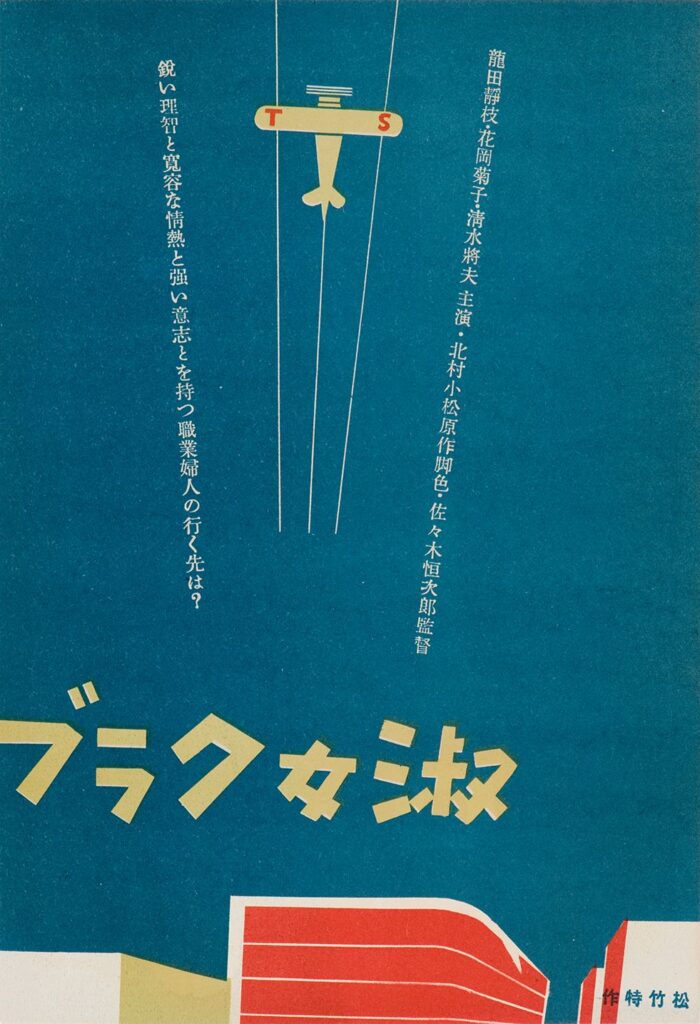
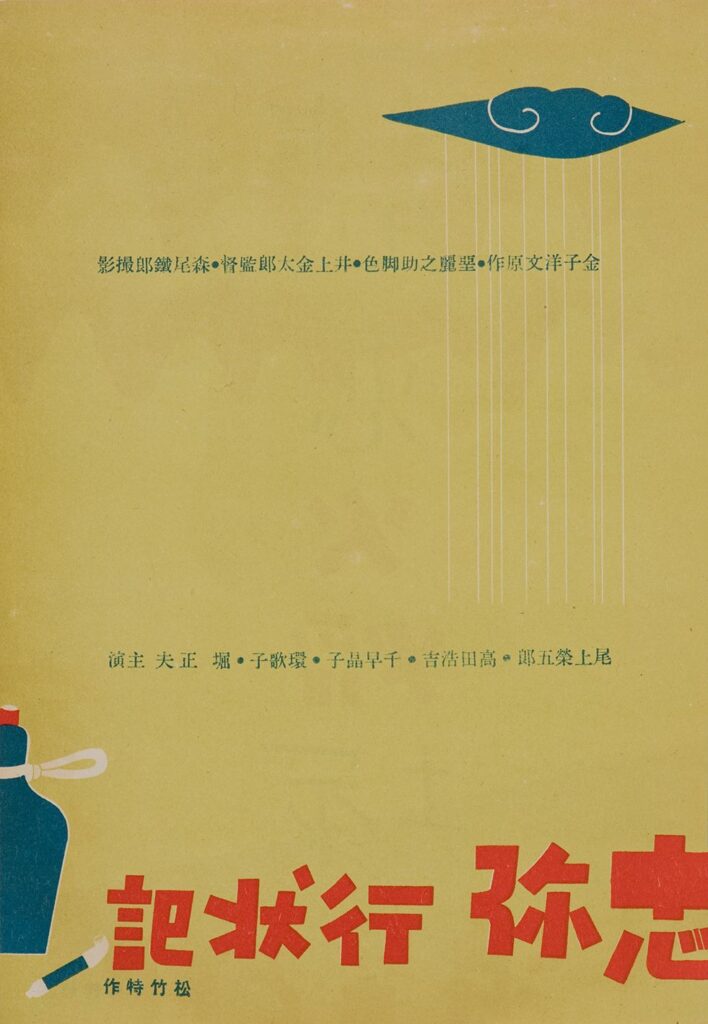
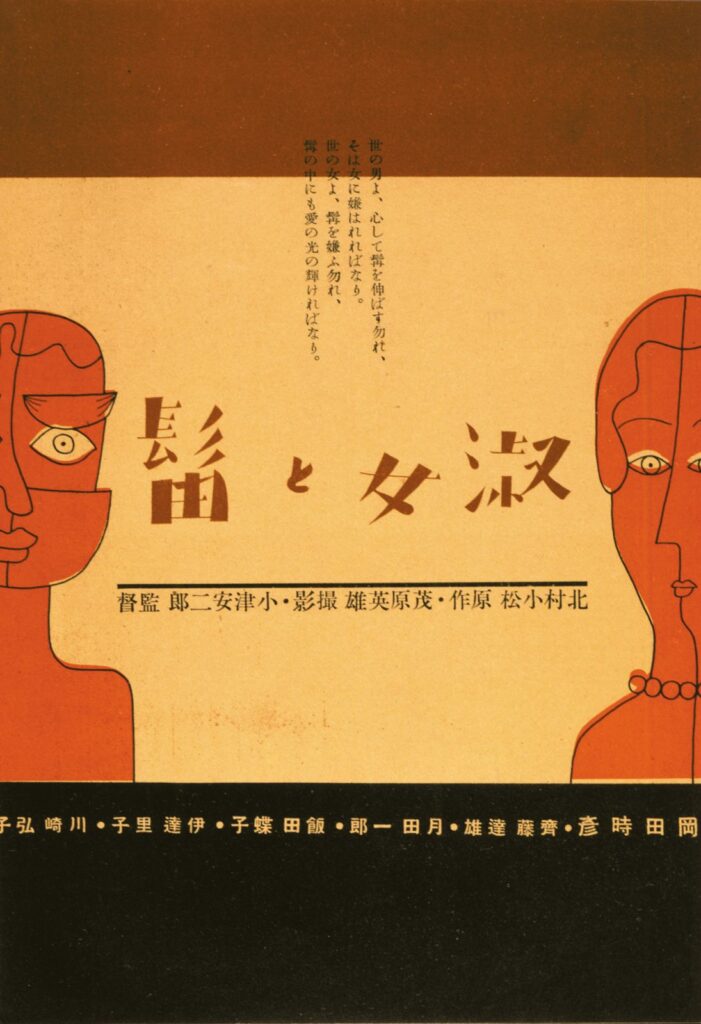
Finally, I would like to choose the series of exquisite works for film advertising of Shochiku film company, between 1929 and 1935. These innovative and diverse works were so well received that they could literally be considered his debut work. Even for today, they are very interesting works.
How and when was the Gallery 5610 opened? What is its mission?
The gallery was founded in 1972, when my grandfather’s office and residence were rebuilt. It was closed in 1984, and reopened by our family in 2000, after his passing. As he was a graphic designer, the space mostly adapt to graphic design, illustration, product, package design and photographs. There is a garden, so it uses the outdoor architecture and exhibits sculptures too. Naturally, the works must be creative and original, but we also aim to create an exhibition that creates a synergistic effect between the artist’s intentions, the works and the space.
As an owner of a gallery that represents the legacy of design who are your favorite artists / designers?
Takashi Kono, his daughter Aoi Huber, and her husband Max Huber. Tetsuya Ota, the artist who also designed the gallery logo. The late Katsumi Komagata, the unique book designer and artist.
A scent unique to TOKYO according to KYU KONO
As I’m a local, and since my family has been living here for generations, I am not sure what is unique, literally. If I had to say, except for the common odor or stink in the city, it would be the inorganic smell of the city, in other words it is odorless to me.
If I were to compare the scent of Tokyo to any other cities I have ever visited, I would say it is like New York City, as both have extensive subway systems and diverse populations. Unfortunately, I have never visited London, Saõ Paulo, or Istanbul, so I cannot compare it to them.
KYU KONO’s favourite late-night eating spot in TOKYO
Kichijoji, Nishi-Oguikubo. Koenji area is awesome. I take various kind of liquors, Japanese light meals and snacks, for example vinegared dishes, Japanese salads, and stews in winter, all made with seasonal ingredients.
Spots in TOKYO that travelers usually miss but really shouldn’t, according to KYU KONO
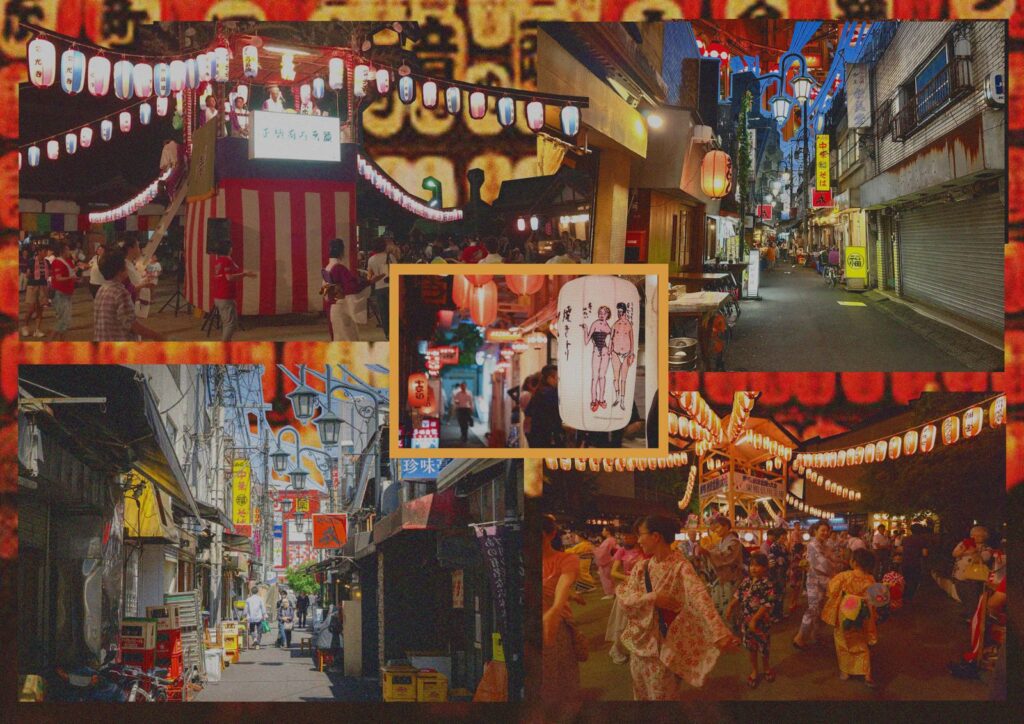
The Kawachi Ondo Bon Odori festival is held every year in late august in Kinshicho, a downtown area of Tokyo. It is a unique Bon Odori festival where anyone can easily join in and dance along to live music and singing. Kawachi is the name of a region in Western Japan, where Bon Dance tradition has been strongly active for a long time. By adding electric guitars to the shamisen and wooden and leather drums, that are usually used in traditional Bon Odori live performances, it has attracted a younger generation and has developed independently, making it easily accessible to the generation that grew up listening to modern pop music.
Recommended art spots in TOKYO, by KYU KONO
Kobo, and Gallery Kazuki in Okuno Building at Kyobashi. KKAG in Bakuro-yokoyama. Gallery Café 3 in Koenji. Gift_lab in Kiyosumi-Shirakawa. Art Trace Gallery in Ryogoku. If you’re interested in art books, you shouldn’t miss Morioka Shoten in Ginza. In 2024, a commemorative exhibition was held there for a reprint and new edition of a book that my grandfather illustrated 74 years ago.
Something about TOKYO that remains a mystery to KYU KONO
Each barrio [neighborhood] has its own character, culture and network. Sometimes those who are not familiar with it cannot get into it.
One thing KYU KONO would wish to change about TOKYO
It would be better to be kinder and more tolerant towards strangers, people with disabilities, pregnant women, kids, and everyone, especially in the public transportation.
Instead of concentrating on the smartphone, it would be much better to love the nature and be grateful for being alive. Most of all, the fact that Japan has the highest teenage suicide rate in the world is a problem that must be addressed not just in the densely populated city of Tokyo, but in the whole country.