

A place to connect through similarities–and differences: TSUBAME STUDIO
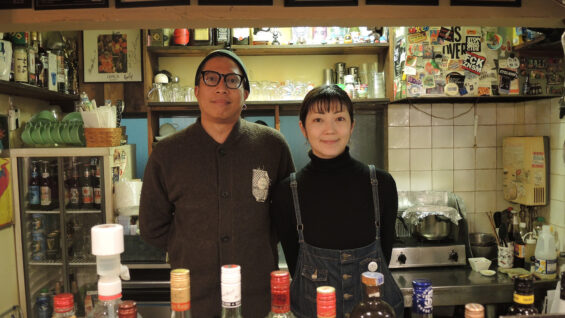
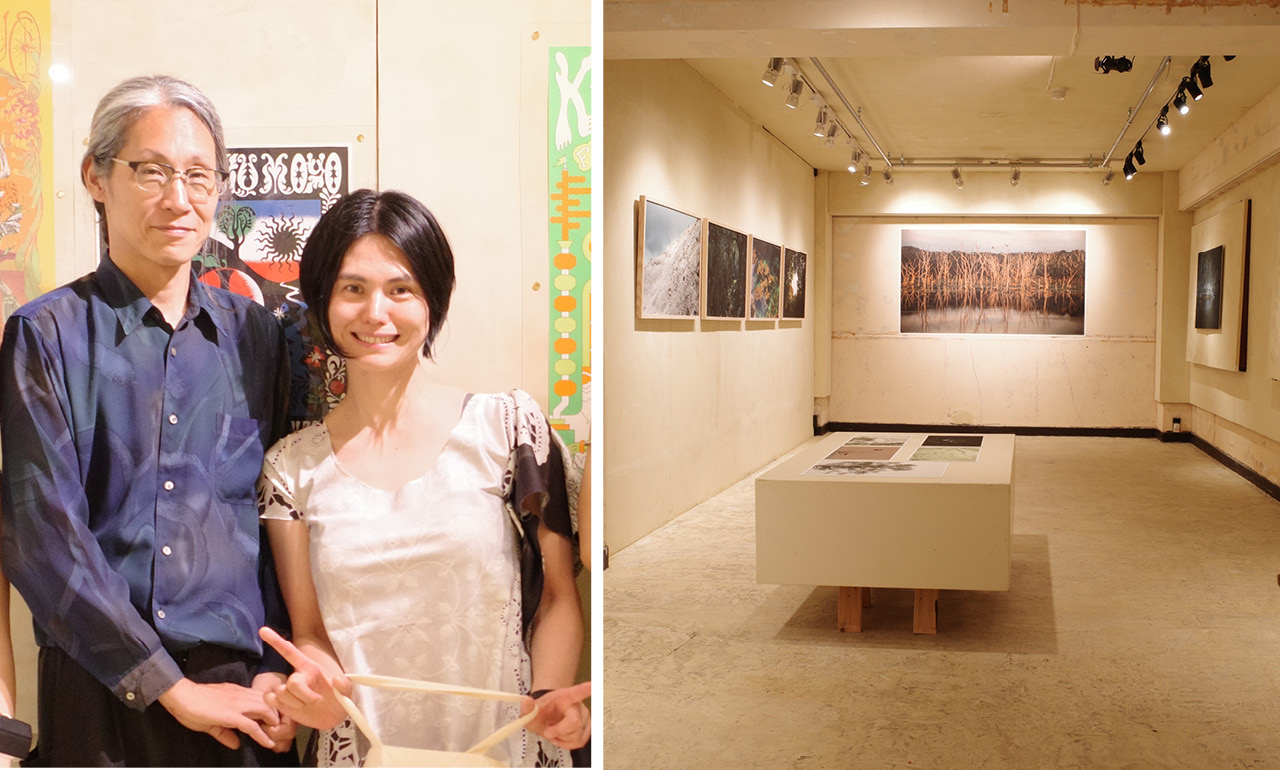
Located in Asakusabashi, a neighborhood that brings together traditional craftsmanship, toy culture and modern creativity, Tsubame Studio serves as a meeting point for musicians, visual artists and writers who focus on their own artistic visions rather than the pressure imposed by the industry. Approaching different disciplines with a rare openness, we spoke with Yui Kimijima (the studio’s owner, DIY builder, and recording engineer) and Hibiki Kimijima (the studio’s manager) to learn more about this unique space.
“TS aims to be a space where exceptional talents that don’t fit into conventional categories can gather. It is also a place where people connect not solely through shared similarities but by recognizing differences, allowing them to illuminate each other’s perspectives.”
How would you summarize Tsubame Studio’s scope and function to someone visiting it for the first time?
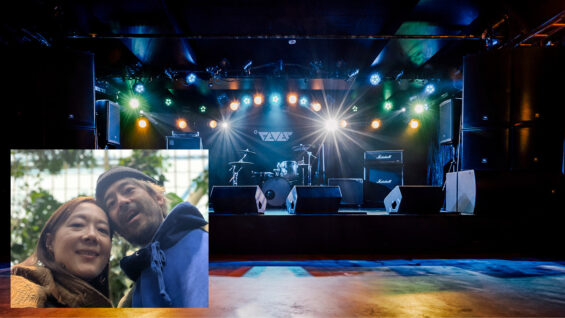
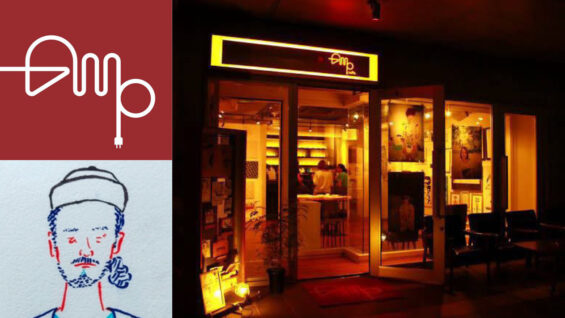
Yui: When someone visits us for the first time, I usually start by explaining the history. Tsubame Studio (TS) began in 2009 as a recording studio for independent musicians, initially housed in a different building. In the fall of 2022, we relocated to our current space, expanding our scope beyond just a recording studio to include a floor where people can connect through art and music.
From the beginning, TS has remained a gathering space for musicians and bands who prioritize their own artistic vision over commercial success or trends.
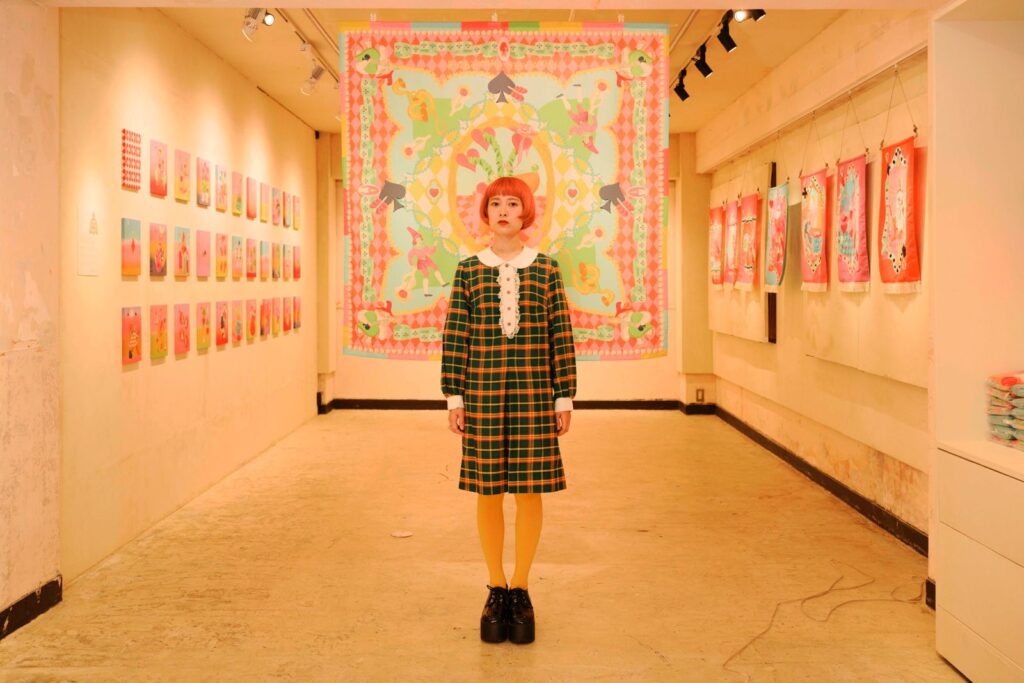
Our clients naturally form connections with artists from various disciplines—painters, photographers, writers, and even people dedicated to simply enriching their everyday lives. Perhaps the most prominent example is Kikagaku Moyo and their label GuruGuru Brain. The opening exhibition at TS’s gallery floor was a tour poster exhibition by Kikagaku Moyo. Their work extends beyond music, continuously discovering new talent across diverse artistic mediums.
The structured categorization of the modern art world often results in rigid interactions between artists and audiences, adhering to predefined frameworks. While this might have advantages in a commercial sense, TS aims to be a space where exceptional talents that don’t fit into conventional categories can gather. It is also a place where people connect not solely through shared similarities but by recognizing differences, allowing them to illuminate each other’s perspectives.
You showcase the work of interdisciplinary artists through multimedia exhibitions that build on one another. How do you use the gallery space so effectively to merge artists’ plays on light, shadows, and acoustics?
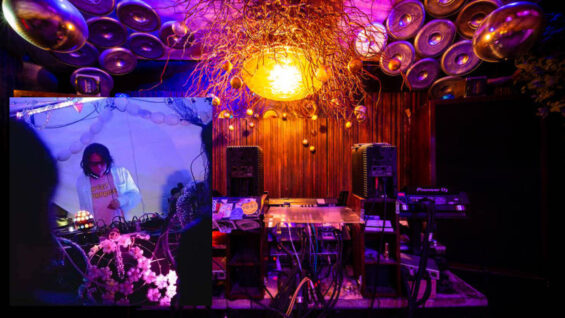
Yui: Both the recording studio floor and the gallery floor were designed and built DIY-style by myself and my friends. We constructed the walls, floors, ceilings, shelves, and fixtures, following a clear but non-dogmatic vision to create an original acoustic and visual environment.
For example, the walls, ceilings, and floors are all covered in the same material—a gypsum-based plaster commonly used as an undercoat in Japanese interior construction. This creates a soft, light brown, porous surface, similar to cardboard. Unlike painted, hard, and reflective surfaces, this material absorbs and diffuses both sound and light differently.
This softness allows acoustic and electrically amplified sounds to blend naturally within the space. Rather than the stark white walls of a typical gallery cube, this unique material enhances the harmony between what is seen and heard. While we have detachable panels to cover the windows, allowing us to control natural light, I also enjoy the transition from daytime sunlight to the warm glow of nighttime lighting.
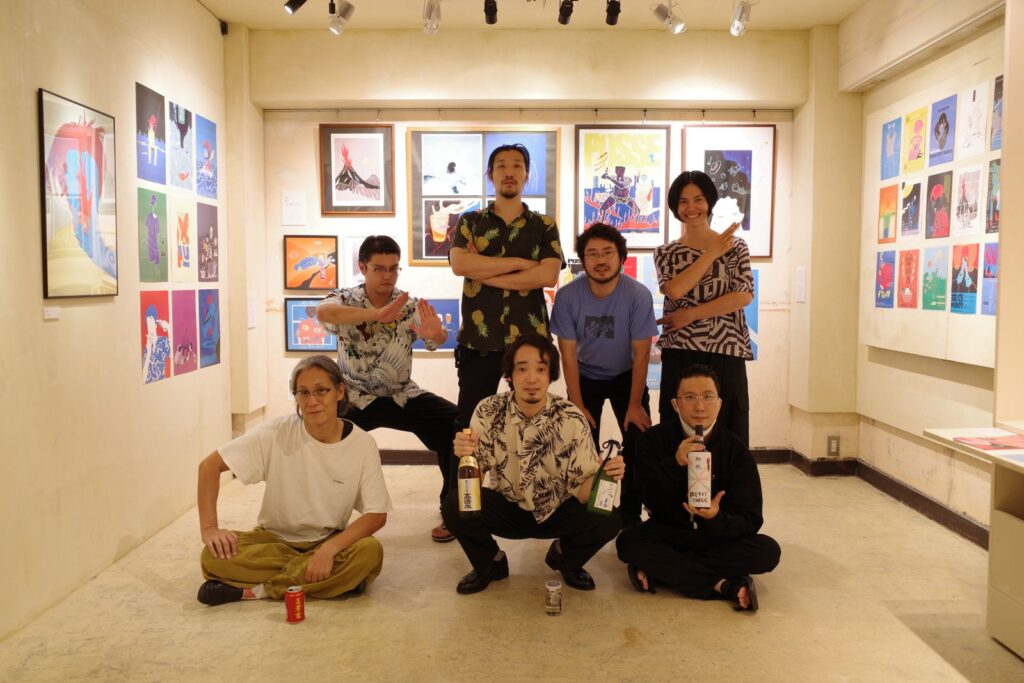
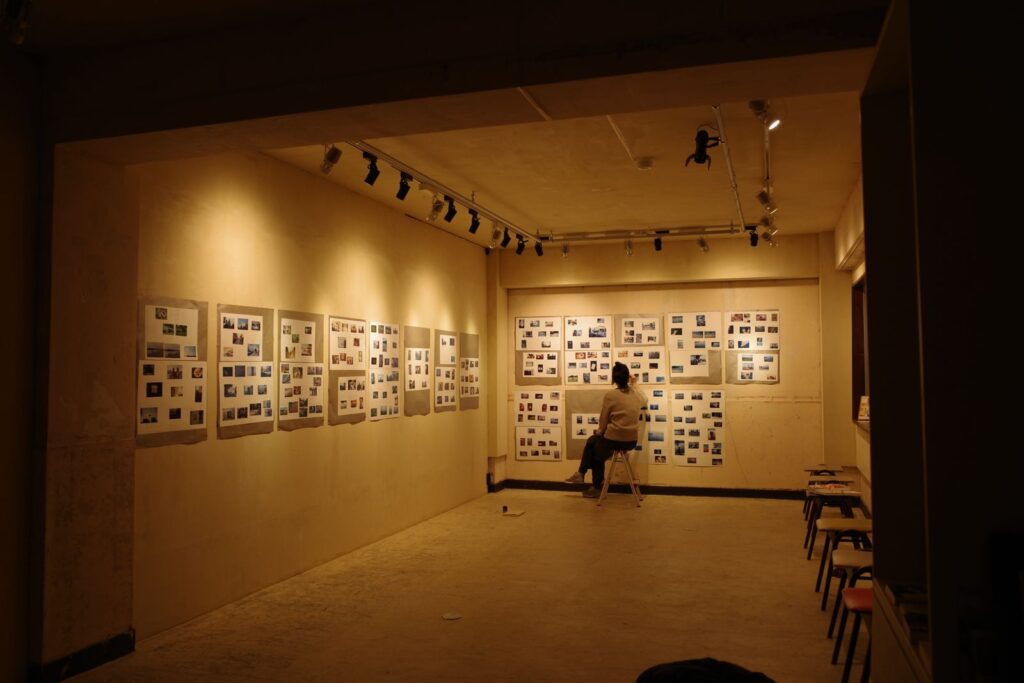
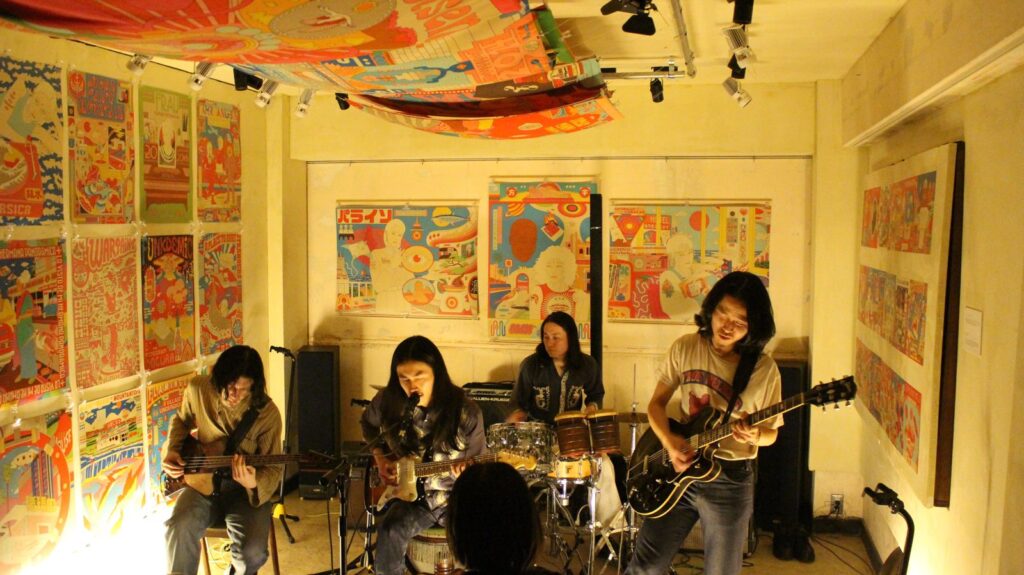
What is it like to put on exhibitions that rely on improvisation and collaboration between various artists and musicians? Could you tell us about the creative interactions within Tsubame Studio?
Yui: We do not intervene in the creative interactions between artists, including musicians. Once collaborators are chosen, the dynamics naturally unfold on their own. Our role is to facilitate—whether that means sourcing materials, advising on installation methods, or occasionally stepping in to refocus the exhibition if necessary. Fortunately, the artists we work with have always maintained a clear vision, so we’ve never needed to step in.
To briefly touch on GuruGuru Brain, this label was founded by members of Kikagaku Moyo, a psychedelic rock band formed in Tokyo. Now based in Amsterdam, they continue to introduce psychedelic music from across Asia to Western markets.
GuruGuru Brain commissions artists worldwide for record artwork, tour posters, and merchandise designs, constantly discovering new talent through Instagram and personal networks. Some exhibitions at TS have been realized through their connections, such as solo shows by Ardnek (Indonesia), Dorothy Siemens (Portland), and Nick Gazin (New York). Additionally, we hosted a photography exhibition by Australian photographer Jamie Wdziekonski, who documented Kikagaku Moyo’s tours.
How do you approach selecting musical acts for exhibition openings and closings? How do you connect sound to the visual elements of the exhibitions?
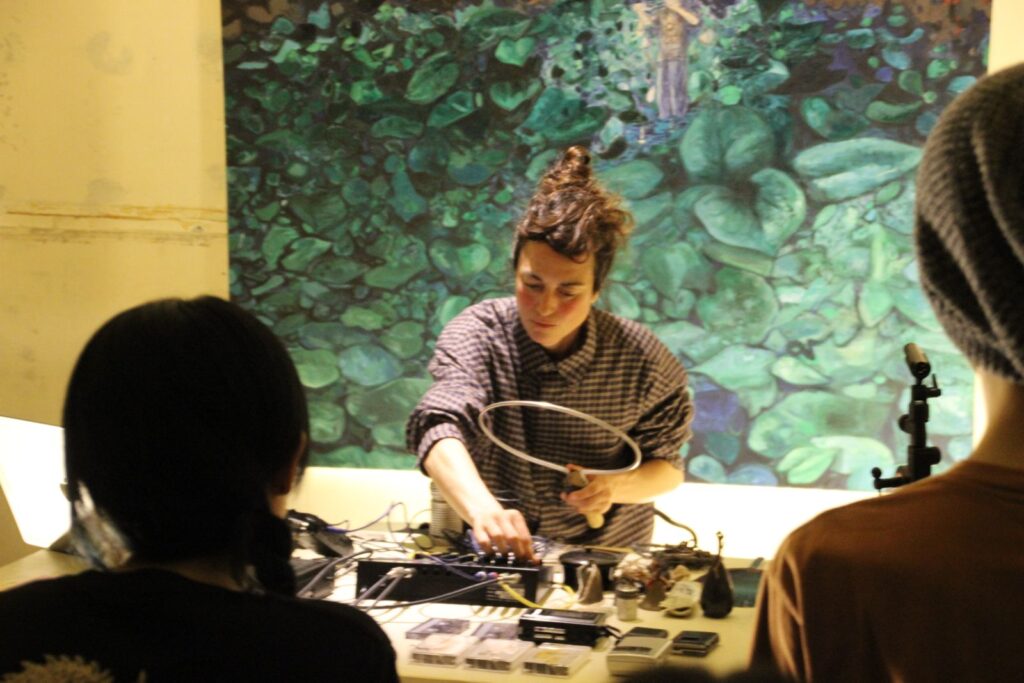
Yui: Sometimes the exhibiting artist selects the performer, and other times, we make suggestions. Even in the latter case, we always consult with the artist before making a final decision. Depending on the nature of the exhibition, the available performance space and setup may be limited.
As for visually staging performances, we don’t use any particularly special techniques at the moment. However, we do make lighting adjustments to maintain harmony within the space. Ultimately, we leave the musical interpretation to the performers.
Have there been any recent Western movies or TV series that impressed you by avoiding stereotypical portrayals of Japan?
Yui: None come to mind. Pop culture, by its nature, is filtered through a Western gaze. However, if we step outside the realm of pop culture, I believe there are various works worth mentioning.
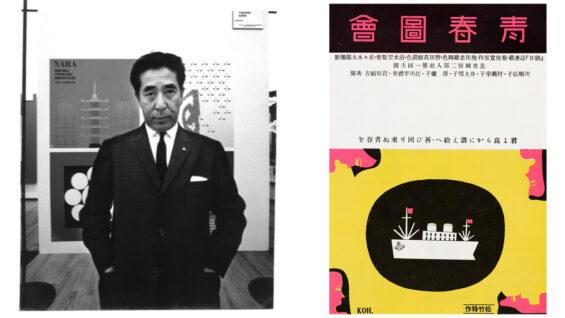
TEENAGE KICKS: TSUBAME STUDIO’s early influences in JAPAN
Hibiki anwers:
Directors: Yasuzo Masumura, Kihachi Okamoto, Akio Jissoji.
Actors: Shintaro Katsu.
Films: Fire Festival (1985), directed by Mitsuo Yamaguchi, screenplay by Kenji Nakagami.
Odd Obsession (Kagi) (1959), directed by Kon Ichikawa. Village of Eight Gravestones (1977), directed by Yoshitaro Nomura.
Recommended music venues in TOKYO, by TSUBAME STUDIO
Yui answers:
Although it’s two hours from Tokyo, I highly recommend Super Deluxe in Chiba. It’s a renovated traditional Japanese house, curated with avant-garde musicians.
If you’re looking for something closer to TS, the experimental and cutting-edge venues include: Shicho-shitsu (Listening Room) in Jinbocho, Nanahari in Hatchobori, Polaris in Kanda, Ftarri, a record store that doubles as a venue. These spaces differ greatly from the youth-driven scenes of Shibuya and Shimokitazawa.
A scent distinctive to TOKYO according to TSUBAME STUDIO
Yui answers:
Ground sansho (Japanese pepper). Try removing the stopper from the small, gourd-shaped wooden container placed on the table in unagi (eel) restaurants, that’s the scent. Why? Simply because I love Tokyo’s eel cuisine!