

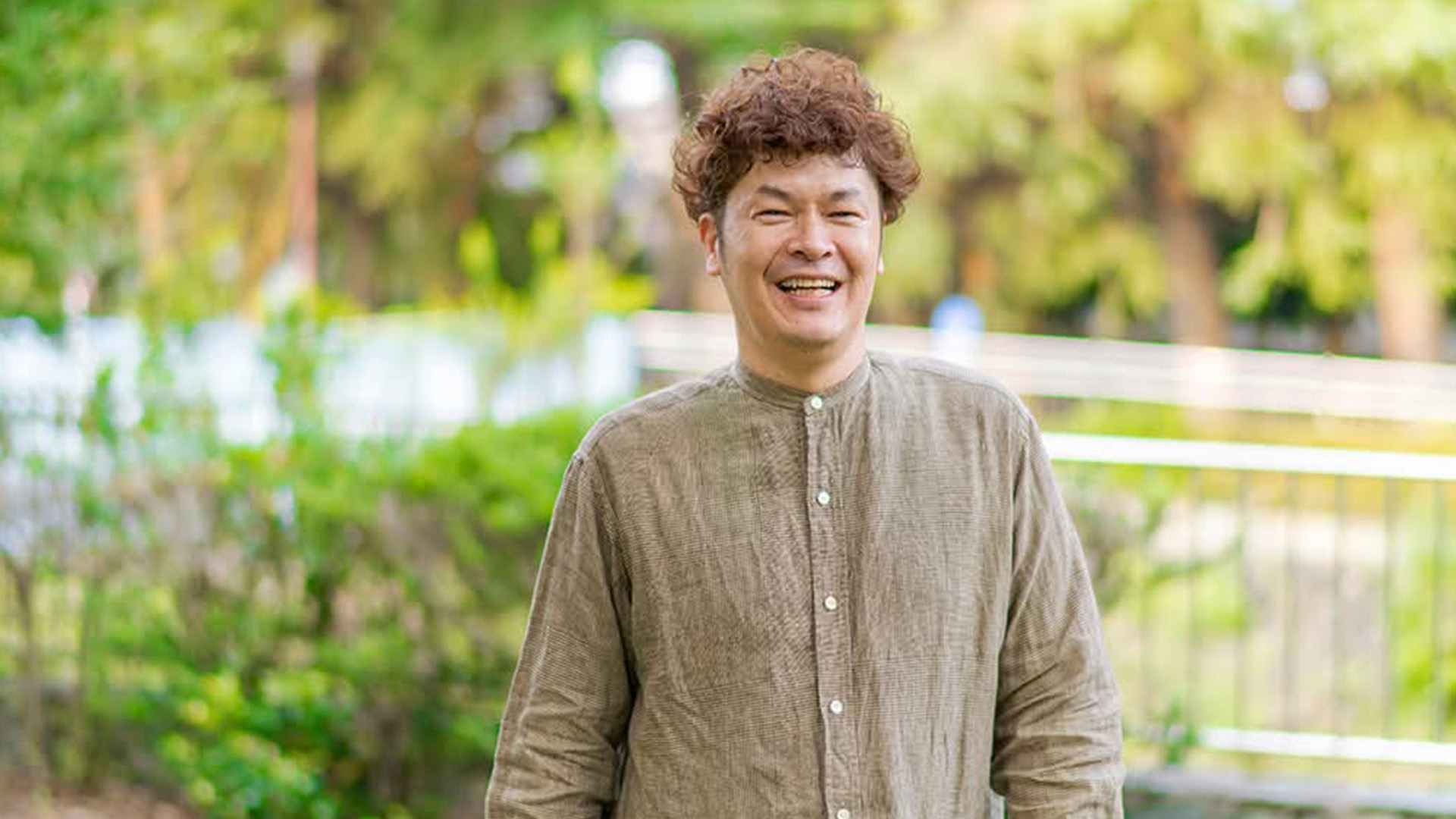
Tokyo’s spice captain: SHANKAR NOGUCHI
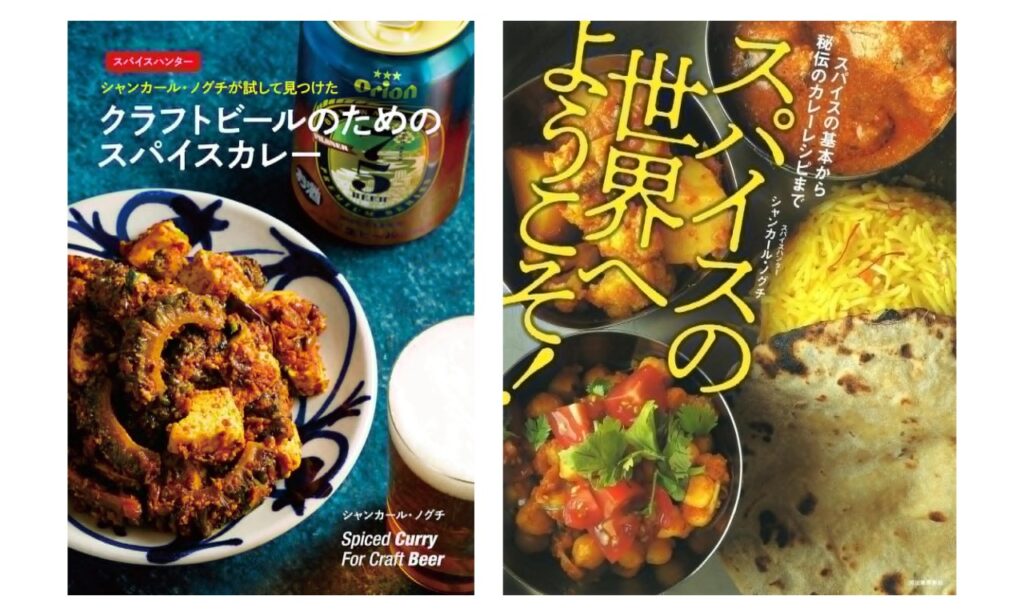
The Japanese passion for ramen (originally a Chinese dish) is well known even here in Turkey. However, their exceptional passion for curry (of course, originally an Indian dish) is still relatively unknown. From authentic Indian restaurants to ordinary households, the sheer variety of curry in Japan is astonishing. You can find every imaginable style of curry: from pure vegetarian and halal options to pork-curry and even surprising French-inspired versions. Among the countless Japanese curry connoisseurs, one could call Shankar Noguchi a true thoroughbred. He is the third-generation heir of Indo American Trading Co., a spice import and wholesale company founded by his grandfather from the Punjab region of India, and the leader of the culinary collective “Tokyo Spice Banchō” (Tokyo Spice Captains).
“In the past, many people associated spices only with spiciness, but now more people are interested in their aromas and uses.”
How and when did your journey into the world of spices start?
My journey with spices began at the family dining table. My Indian grandfather taught my grandmother, who was from Yamagata Prefecture, how to cook Indian cuisine, introducing her to the use of spices and cooking techniques. Our dining table was a mix of Japanese and Indian food, and there were days when we would eat chapati and dal after a traditional Japanese meal. My grandmother would make countless chapatis for me, and our whole family loved her cooking. Growing up with these flavors, I naturally became drawn to spices.
You visited Turkey a couple of years ago. What was your experience with the spices like in Turkey?
When I visited Turkey, I was more struck by the abundance of herbs than by the spices. Oregano, mint, thyme, and other herbs were used generously in Turkish cuisine, filling the air with a refreshing and deep aroma. I also brought back some mild chili peppers from Turkey and used them frequently in my cooking. Unlike Indian chilies, Turkish chilies are not overly spicy but rather enhance the umami of dishes. I found it fascinating that Turkish cuisine focuses more on balancing flavors rather than just adding heat.
What sets Tokyo’s spice market apart from others?
Tokyo is an exciting city where you can find spices from all over the world. Spices from South Asia, Southeast Asia, China, the Middle East, and Africa are readily available, allowing you to create authentic dishes from various cuisines.
Are there any hidden gems or lesser-known spots in Tokyo that spice enthusiasts should visit?
If you’re looking for spices, I highly recommend Shin-Okubo. In addition to Korean grocery stores, the area has numerous halal shops selling ingredients from South Asia, the Middle East, Africa, and China, offering a wide variety of spices. Many major train stations in Tokyo also have South Asian spice shops. Additionally, talking to chefs at small curry houses or ethnic restaurants can be a great way to discover valuable information.
Have you noticed any changes recently in how Tokyoites appreciate and use spices in their cooking?
Having worked with spices for the past 30 years, I feel that Japan’s understanding of spices has significantly deepened. In the past, many people associated spices only with spiciness, but now more people are interested in their aromas and uses. The growing number of Japanese cookbook authors publishing recipes from around the world and the increasing presence of spice-related programs on television have made it easier to learn about spices in Japanese, greatly contributing to the development of spice culture.
When you were growing up, what were your favorite flavors or dishes in Tokyo?
As a child, I especially loved my mother’s hamburg steak and my grandmother’s sabzi. My mother was half Punjabi and was skilled at making Punjabi-style hamburg steak with plenty of butter and tomatoes. It had a rich, well-spiced aroma and was absolutely delicious. I also adored my grandmother’s potato and cabbage sabzi. It was simple yet filled with the gentle fragrance of spices, offering a comforting taste.

What SHANKAR NOGUCHI misses most about TOKYO when abroad
When I am abroad, I find myself longing for Tokyo’s nostalgic Showa-era landscapes and scents. The neon lights shining late into the night, the hustle and bustle of cars and people in the streets, and even the aroma of curry drifting from someone’s kitchen exhaust fan—these are the unique and familiar elements that make me feel nostalgic for Tokyo.
A scent that’s distinctive to TOKYO according to SHANKAR NOGUCHI
When I think of the scents of Tokyo, the aroma of my company’s curry powder and garam masala comes to mind. Stepping outside, I can smell the ginkgo trees, cedars, flowers, and soil in Zenpukuji River Park. In the city, the rich scent of dashi and soy sauce wafts from soba and udon restaurants. During summer, the mix of humidity and asphalt creates a distinctive Tokyo-like seasonal atmosphere.