

Lines, spaces and contrast: JESSE FREEMAN
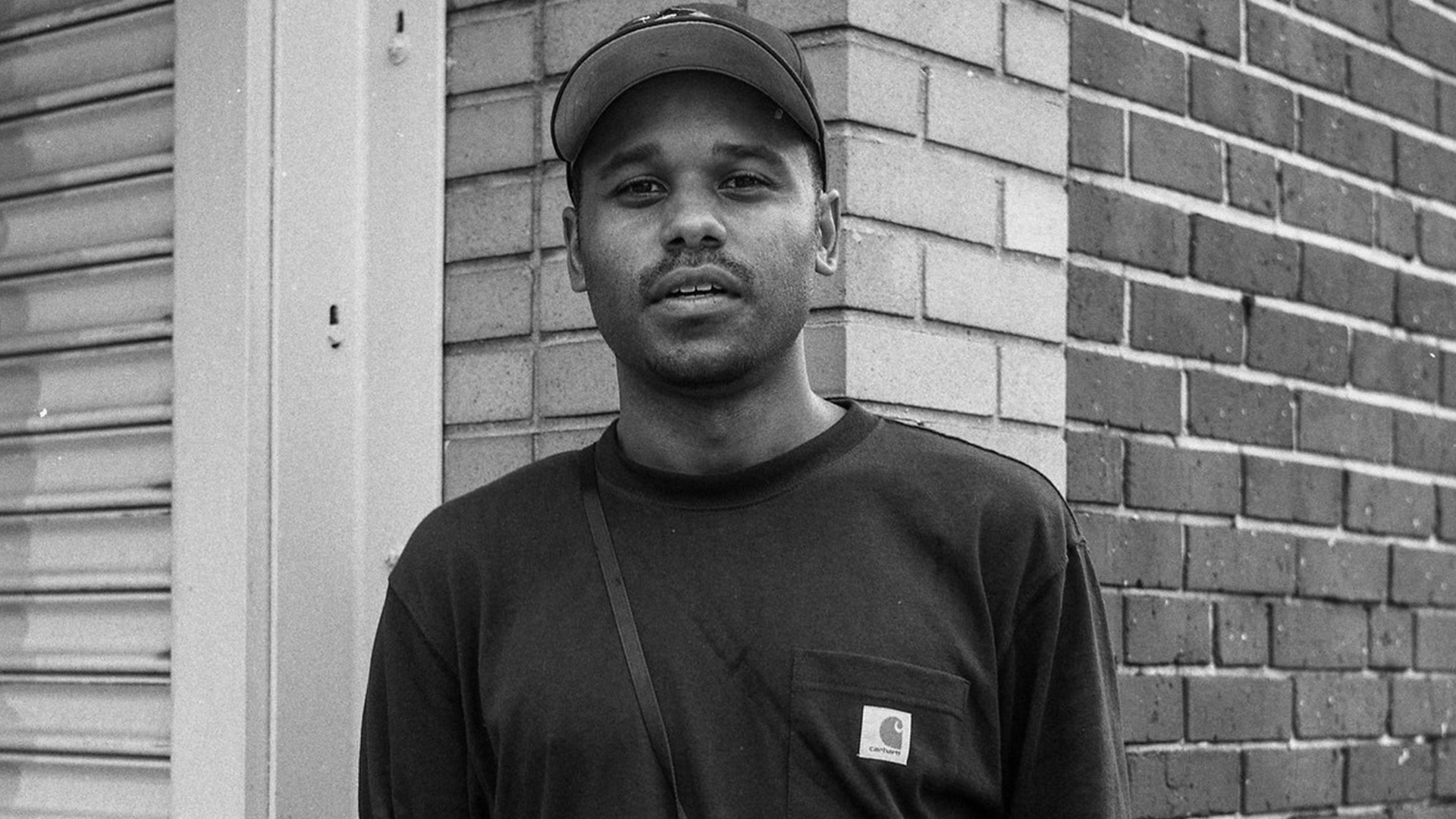
Jesse Freeman is a photography, ikebana, and patchwork artist who, by a sweet twist of fate, found himself in Tokyo in 2006 after leaving Baltimore, USA. In a city like Tokyo, often difficult for foreign artists to settle in, he has experienced both the influence of the city on his art and the impact of his art on his surroundings. Having grown accustomed to the city’s challenges and its distance toward foreigners, he has nonetheless carved out his own space for living and creating. With Jesse, we explore Tokyo’s art world and streets from a different perspective.
“Japan just gave me that space to explore my curiosities. That combined with the different amount of people you encounter, no matter what art, you can find someone with a similar sensibility. Was hard to find that back home.”
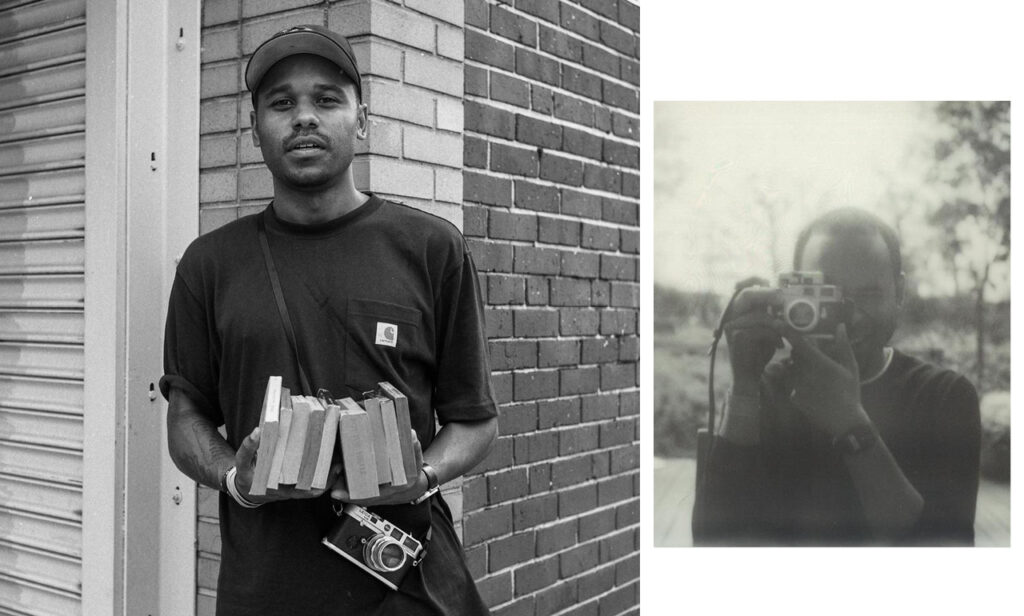
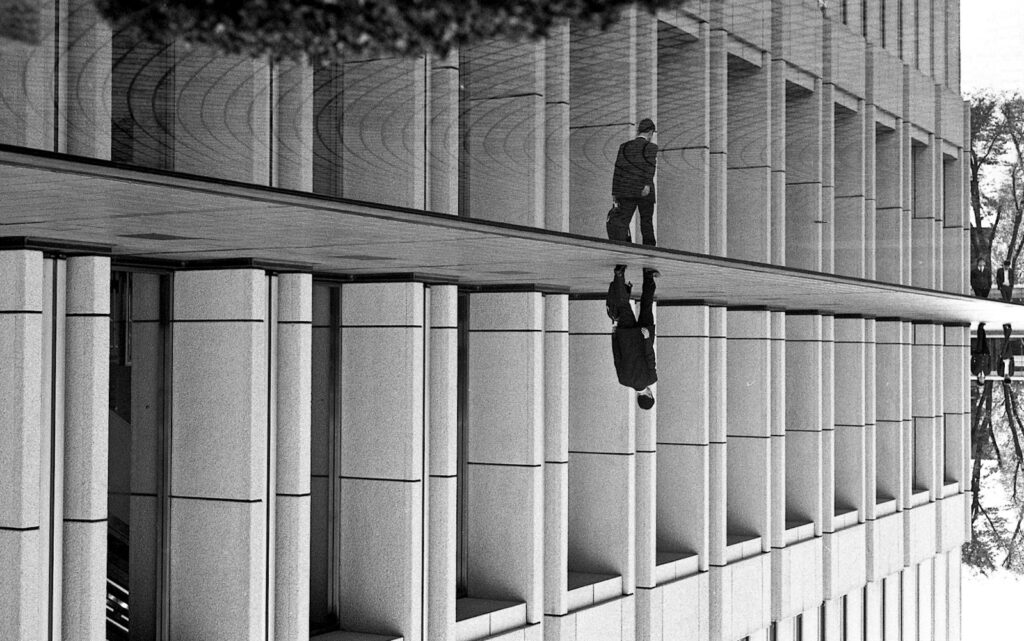
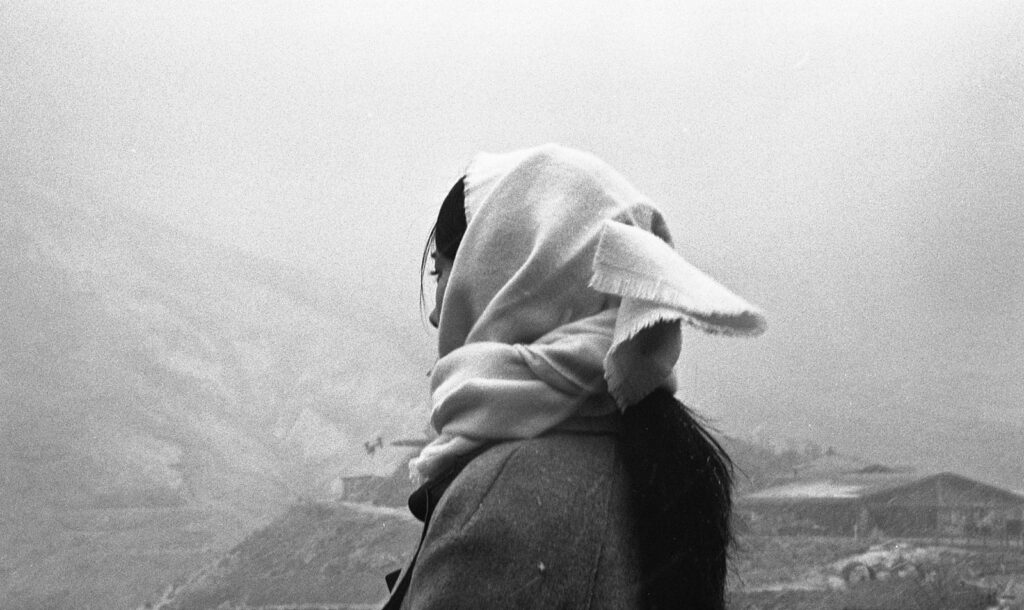
The beautiful contrast of black and white and shapes is the trademark of your photography. Can you tell us about the influences and ideas that shaped your art?
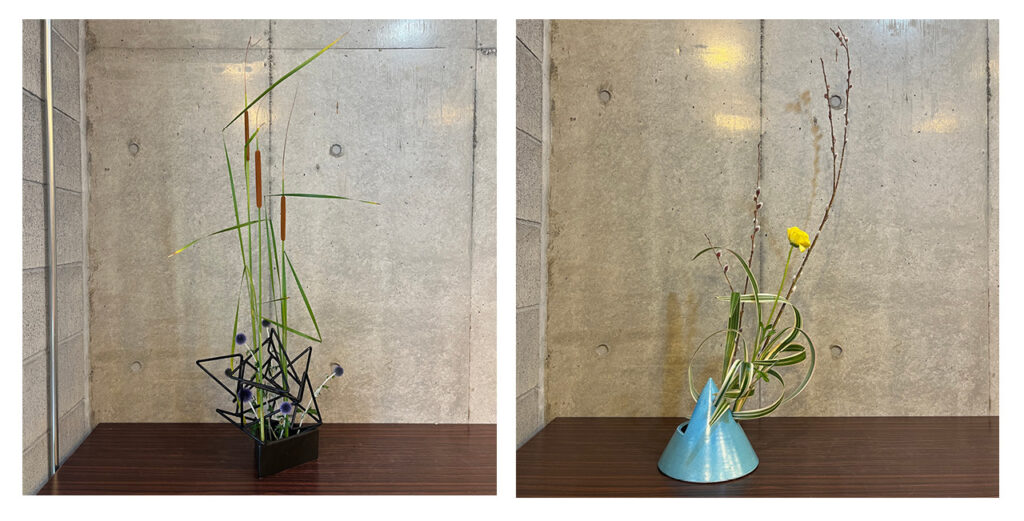
Thank you! Just a continually developing process. When I moved to Japan in 2006, it started from literature and then classic cinema and fusing those ideas into photography when I got my Ricoh GR1s in 2010. Compositionally, I started studying ikebana the same year, which gave me a strict observance of line, space, and form.
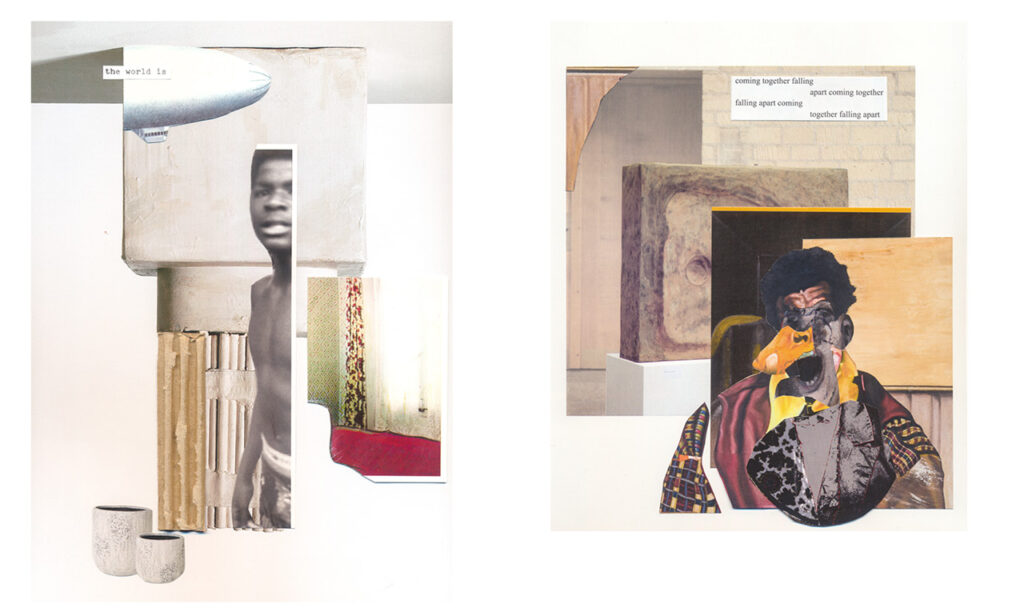
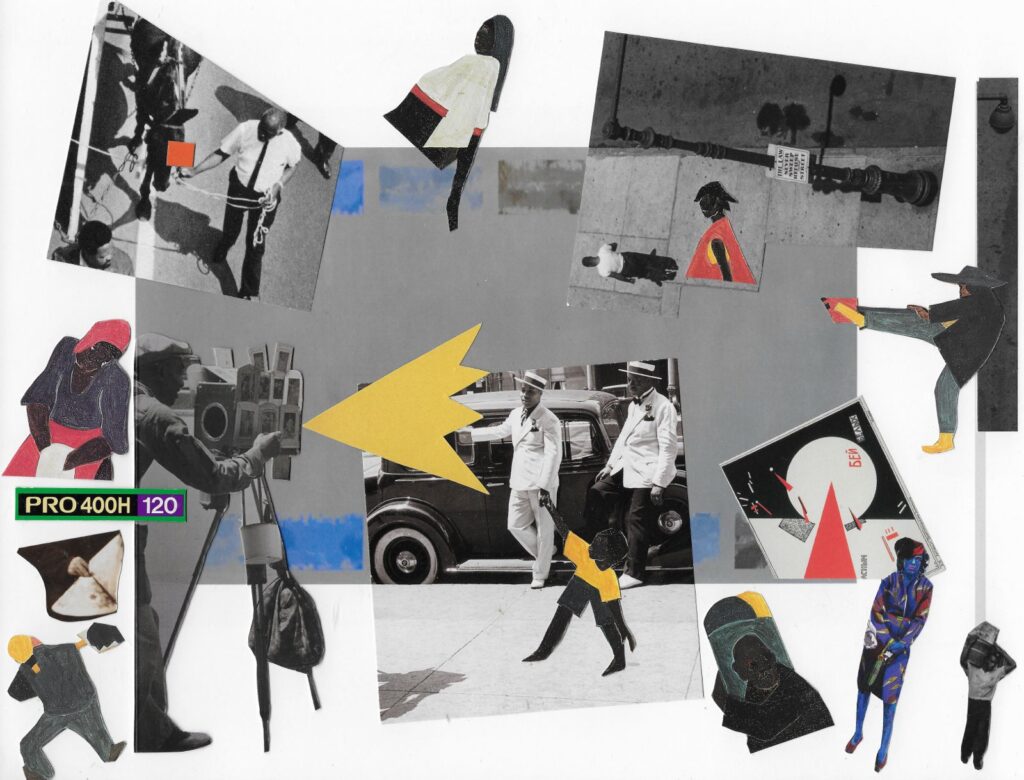
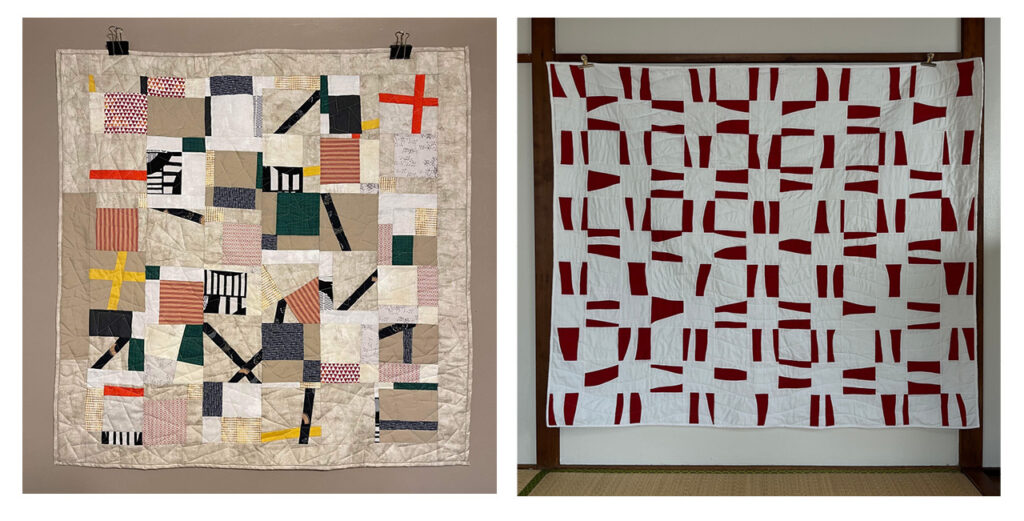
What drew you to ikebana and quilting in the first place? What have you found in these art forms that you were searching for but didn’t know it?
Definitely a certain level of patience, especially in the latter.
What inspired you to make the move to Tokyo?
Ahh, I lived with my grandparents in Baltimore and really struggled getting anything going. I had issues trying to get work and constant police harassment. My father was military and stationed in Hawaii, so went out there to community college, and he remarried and was to head to Japan. So, I tagged along and been here ever since.
How has living in Tokyo influenced your work as a photographer and artist?
Entirely. Never created anything prior to being here… Japan just gave me that space to explore my curiosities. That combined with the different number of people you encounter, no matter what art, you can find someone with a similar sensibility. Was hard to find that back home.
We know you visit many art happenings and exhibitions. What are your observations on the Tokyo art scene, underground and/or commercial?
Haha, I do! Well, there is not a lot of space in Japanese homes and typically there aren’t a lot of art buyers in general here compared to the US. Commercially it really seems to be stuck in the fog of pop / street art with a lot of “character art” which commercially becomes viable as their art can be easily applied to products and thus makes sense. Yet there is neither depth nor originality in that. Underground alternatively always there because there are so many galleries to find whatever niche you are looking for, and the passion is really beautiful as most of the best artist have regular full-time jobs and simply do it on the side out of love.
What are some of the biggest challenges you’ve faced as an expat in Japan?
The bureaucratic system can be Kafka-esque at times. Staying on top of it all can be quite daunting. But just a lot of rules in general that take time to get used to, combined with the passive aggressive manner that they are imposed.
We know you are a movie enthusiast. If you were to recommend 5 Japanese movies to our readers, what would they be?
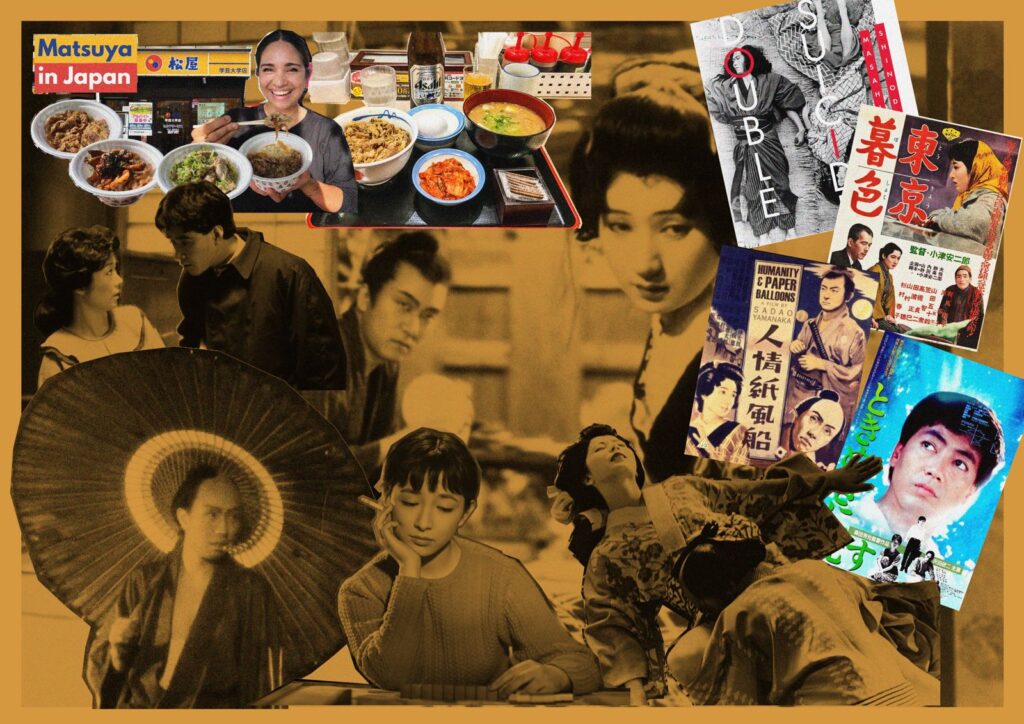
Ahh this is tough. Let’s say Humanity and Paper Balloons by Yamanaka Sadao. He is a director, who lost all but three of films and his own life in the war, and this film challenged a lot of the nationalism that went into it. Tokyo Twilight, by Ozu Yasujiro. I consider him the greatest film director, and while he has more acclaimed films, this was rather dark for his post-war films. It sides with the youth, a rarity, and is the only one to take place in winter. Hara Setsuko is there and I really loved Arima Ineko’s performance alongside her, who never really had another prominent role. Double Suicide, by Shinoda Masahiro. Based on a traditional puppet play aseptically, it explores Japan’s rich theatre aesthetics and is just perfectly shot. Also maybe Family Game, by Morita Yoshimitsu. It stars who would become the best director of the 1980s, Juzo Itami, whom most would know by his film Tampopo. This is a bit earlier, exploring societal roles. Hard to choose, but let’s throw a documentary in there with The Emperor’s Naked Army Marches On, by Hara Kazuo. The director follows a solider trying to find what happened to his fellow soldiers. The means and end of which just needs to be seen.
Recommended art spots and galleries in TOKYO, by JESSE FREEMAN
Hmmm depends on the taste I guess, really. There is a building in Roppongi called Piramide, that has a really great range of galleries. For photographers specifically, the Shinjuku Gyoemmae area has a system of artist ran galleries that one could say originated with Place M, founded by Daido Moriyama and three other prominent photographers in the late 1980s. I find myself in those two areas the most.
JESSE FREEMAN’s favorite late night eating spot in TOKYO
Never understood the obsession with ramen… Always seen it as a late night junk food, but around post-COVID they didn’t stay open as late. So I guess most practical answer would be the chain called Matsuya. I get a rice bowl with beef and fried onion and miso soup… Cheap, fast and light.
Something about TOKYO that remains a mystery to JESSE FREEMAN
Hmmm I honestly can’t think of anything. I lived here half my life now and have done so many different things. I guess having a kid here and what that would be like. I feel I probably wouldn’t like the PTA meetings lol.
One thing JESSEE FREEMAN would wish to change in TOKYO
The humidity in summer. It is too much.