

A bit more than just a concert venue: LIVE HOUSE FEVER
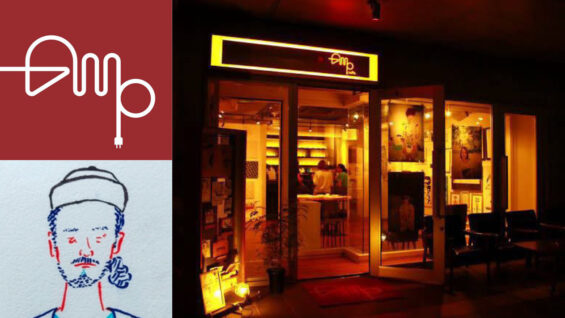
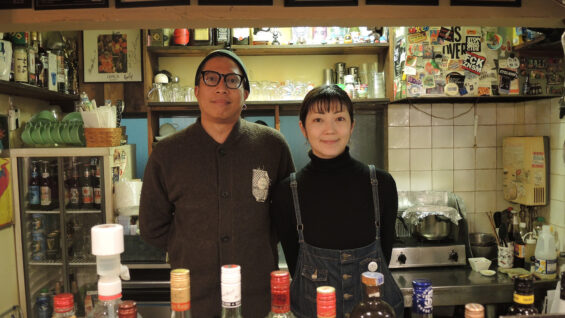
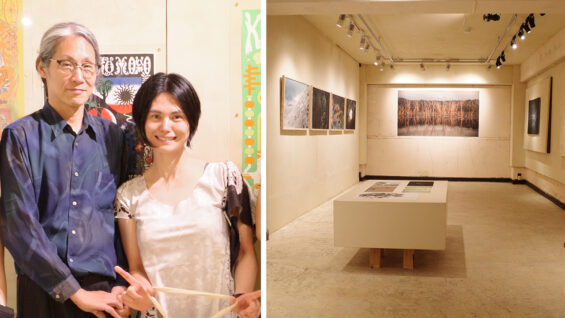
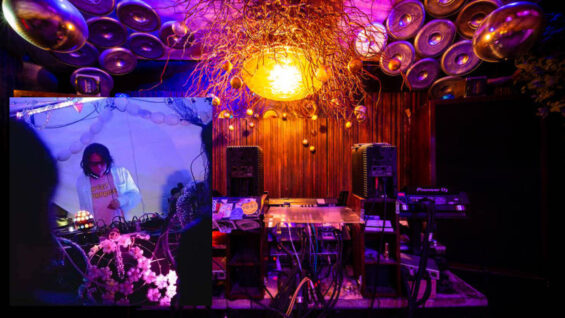
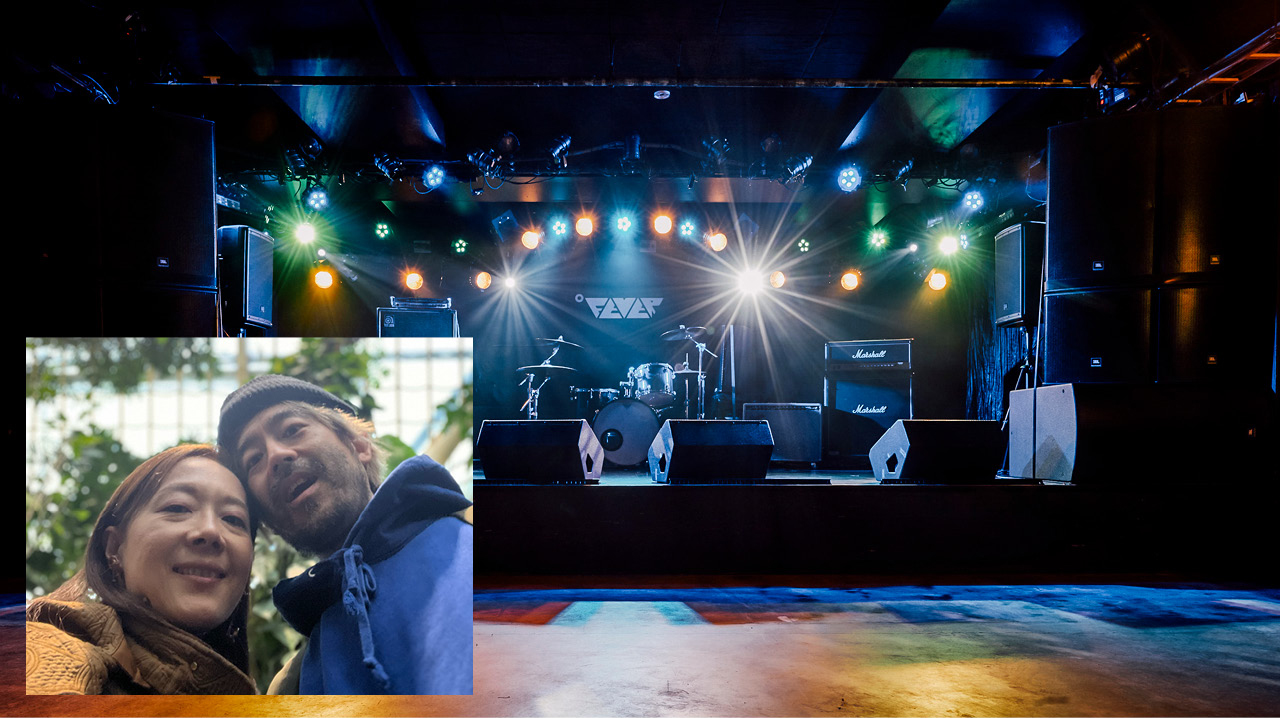
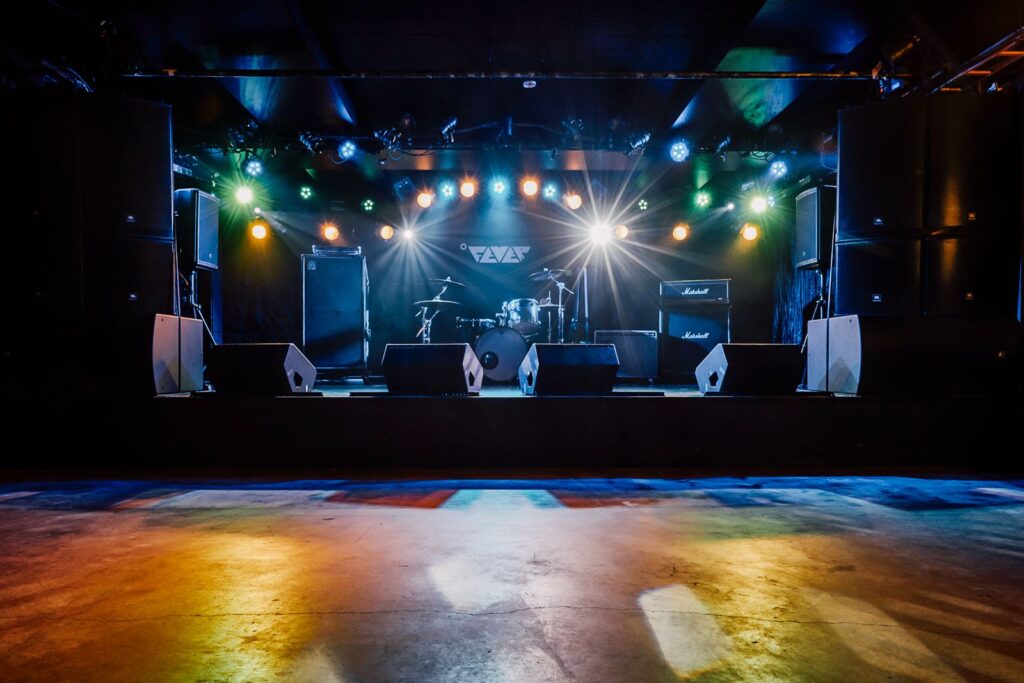
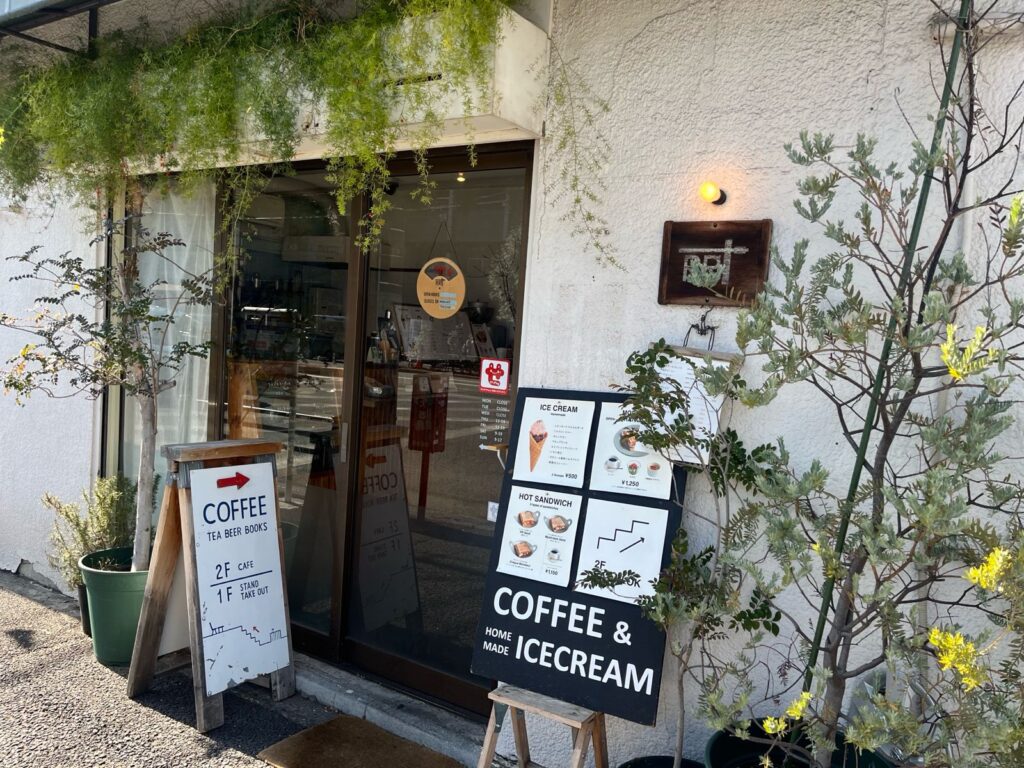
As you might expect, Tokyo is filled with hundreds of live music venues. Many of these venues may be no larger than a room, yet the role they play is far greater. Others are bigger and income-oriented concert halls that cater to popular local and international acts. Among these two extremes, one venue that has flourished in the city is Live House Fever. Fever opens its doors to rising or cult-status local acts, offers an admirable selection of international bands, and stands at just the right scale and vision, exactly the kind of venue every city needs. Right next to the venue is their small café, RR, which hosts both small exhibitions and delightful flavors. Fever founders Aya Nishimura and Hitoshi share with us Fever’s story and their Tokyo.
Tune in:
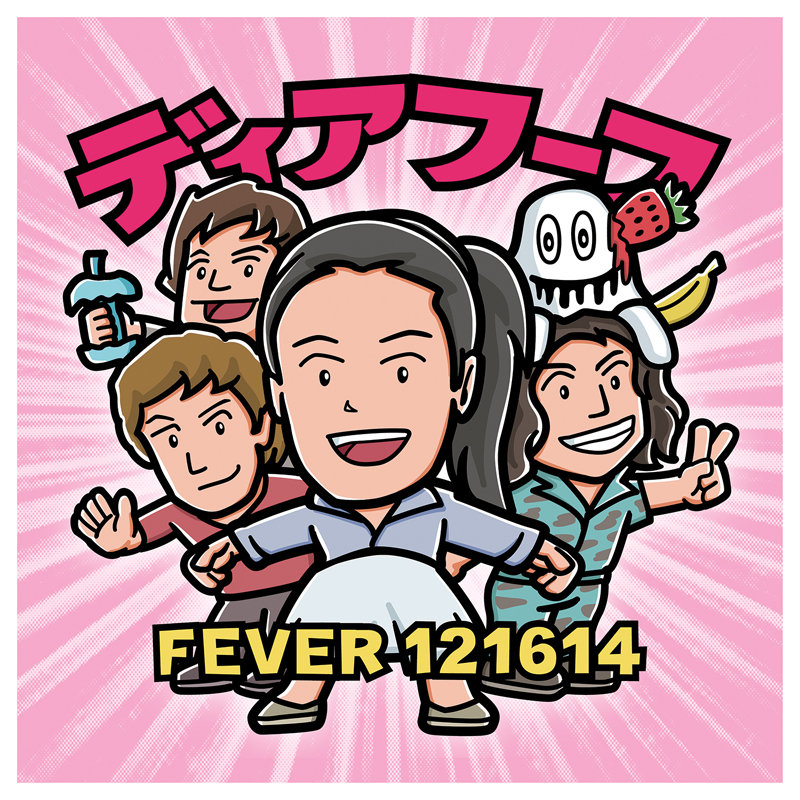
The band Deerhoof, renowned for their electrifying live performances, recorded a show at Fever during their 2014 Japan tour, which was released the following year as a live album. Titled Fever 121614, the record brings together songs from different eras of the band, including “There’s That Grin,” “Fresh Born,” and “Dummy Discards a Heart.”
The venue’s compact structure and the close proximity between stage and audience have a direct impact on the energy captured in the recording. The crowd’s reactions are also left intact in the mix—applause, shouts, and stage noise all remain as integral parts of the performance.
“Live streaming from music venues, which was almost non-existent in Japan before, has continued even after the pandemic.”
What is the story of Fever? When was it opened and what was the initial idea behind it?
Fever opened in 2009. At that time, there were very few live venues in Tokyo that were not only small spaces but also had areas where people could eat, drink, and easily communicate. That’s why we started the company and opened Fever. Another key point was choosing a location close to a train station.
After the COVID pandemic, have the habits of the live music audience changed? What are your observations about the new generation of audience?
Live streaming from music venues, which was almost non-existent in Japan before, has continued even after the pandemic. However, now that things have settled down, we feel that the number of audience members has actually increased compared to before the pandemic. The current generation of teenagers and people in their twenties seem to be calmer compared to previous generations.
How do you think Fever and RR Café transform the neighborhood they are in?
The area where Fever and RR Café are located, called Shindaita, is unlikely to change significantly in the future, unlike nearby Shimokitazawa and Setagaya-Daita. This is because it is fundamentally a residential area with limited space for new commercial developments.

Recommended art spots and galleries in TOKYO, by FEVER
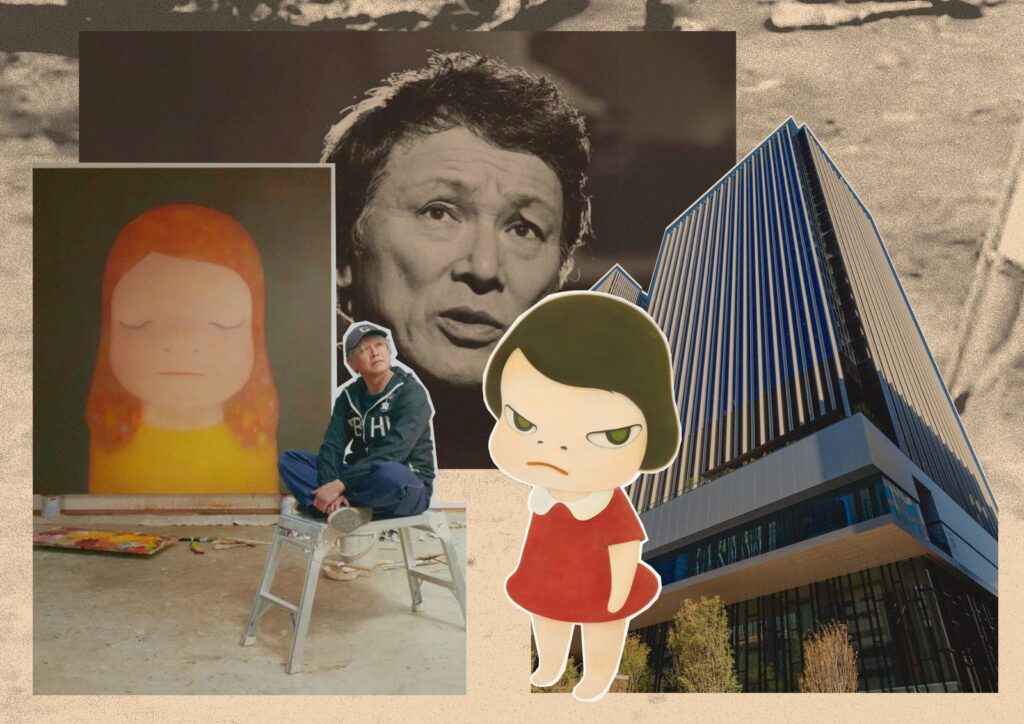
The TODA Building in Kyobashi, is a fascinating space. It houses some of Japan’s leading galleries, including Tomio Koyama Gallery, Taka Ishii Gallery, and Kosaku Kanechika, forming a gallery complex. The building also features a café with an art space, public art installations, and various artistic experiences. Additionally, it is adjacent to the Artizon Museum.
TEENAGE KICKS: FEVER founders’ early influences in JAPAN
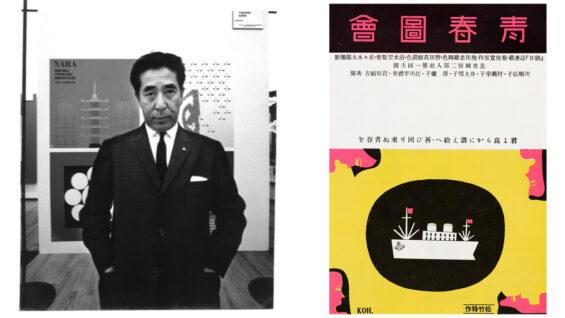
There are so many musicians! Whether famous or lesser-known, Japan has an abundance of incredible musicians. In terms of artists, Yoshitomo Nara comes to mind. For filmmakers, Hirokazu Kore-eda and Juzo Itami.
One thing FEVER would want to change in TOKYO
While urban development is making many areas more livable, old buildings are disappearing. I hope we can preserve historical architecture while also creating more spaces for play and peaceful living.