

The motion of returning to oneself: NOURAH and Ruhani BellyDance
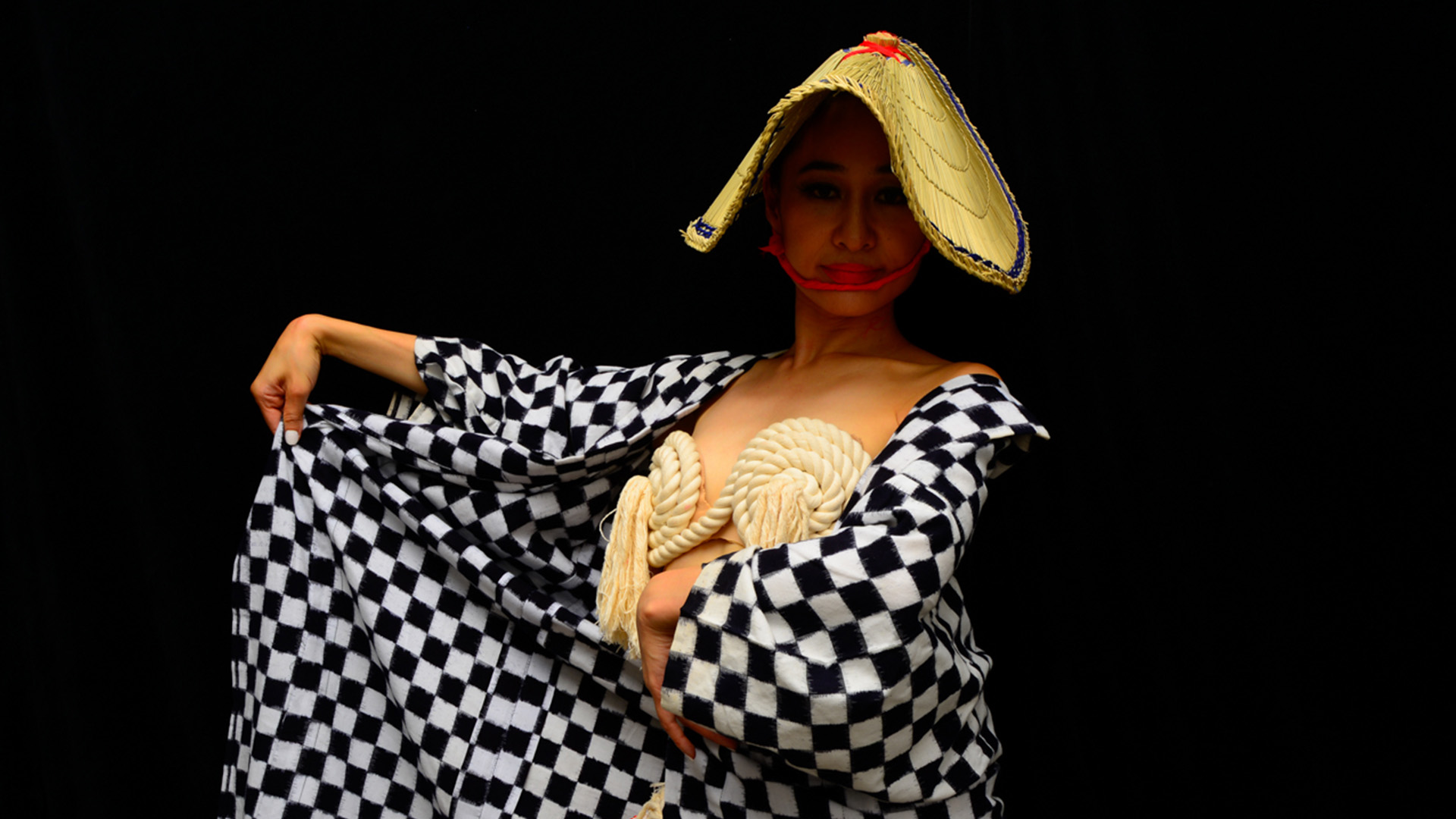
Some lucky readers might have caught her on stage with Baba Zula in the mid-2000s. Nourah is an artist who, after her travels to Turkey, brought the art of belly dancing to Japan, not merely transplanting it, but blending it with other disciplines and elevating it with a spiritual dimension. With her school Ruhani Belly Dance Arts in Tokyo, she has trained hundreds of students and appeared in countless projects ranging from experimental performances to collaborations with mainstream artists. Nourah is now regarded as one of Tokyo’s leading “creative” dance masters.
Tune in
The best way to truly experience Nourah’s physical expression is, of course, to witness her live. For that, you’d need to be in Tokyo and be lucky enough to catch one of her often-unannounced performances. Still, here are two video suggestions where you can watch and be inspired by her work:
*A documentary from her 2006 tour in Denmark with Baba Zula
*An improvised dance performance video filmed in the streets of Harajuku and Meiji Park for Istanbul-based musician TSU!’s song “My Home Is Where My Heart Beats”.
“I believe that Ruhani BellyDance Arts is needed by women who live in a society where they have to use their brains to live, to open their minds and bodies and realize their own beauty, and as a time to return to their true selves.”
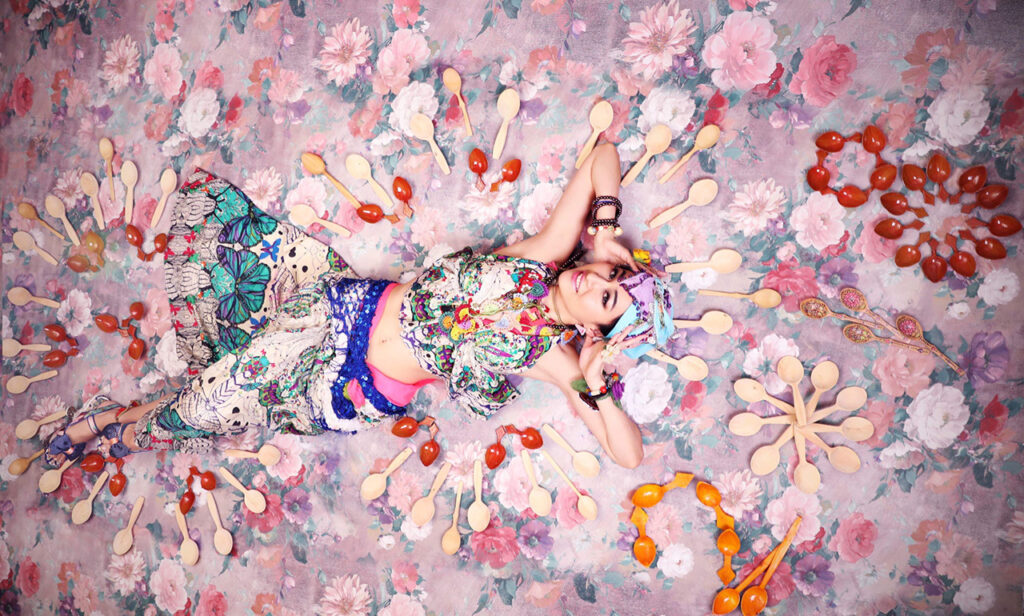
Can you tell us the story behind Ruhani BellyDance Arts school? How did the idea of creating a dance school of oriental dances in Tokyo come to mind?
I had known belly dance since I was in college. I even went to see a belly dance class presentation, but at the time I felt it was only a folk dance. I loved music. I wanted to express the emotion of listening to music every day. I saw a belly dancer dancing at a music event. Her dance was sexy, but I was very interested in the sensuality of her dance, not the consuming sexiness, but the life-giving sensuality of her dance.
At the time, I had just graduated from college. I was weak and unstable, with no idea what I wanted to do in the future. Unfortunately, friends around me were committing suicide and I was very depressed. To be honest, I was afraid that I would choose the same path of suicide. So I decided to take up belly dance, because I was strongly attracted to it. As I danced belly dance, I became proud to be a woman. Dancing awakened my body, which naturally made my mind more positive and mentally strong.
So my starting point is to share the world and the excitement that music can take you to, and the power that belly dance has to empower people. This desire continues to this day in my activities.
How did you create your own unique style?
There are many different styles of belly dance. There are styles from countries in the Middle East, such as Egypt and Turkey. There are also American cabaret and fusion styles, which were brought to the United States by immigrants and developed into their own styles under the influence of the flower movement and the women’s liberation movement.
Belly dance is a dance that has been spun by women throughout its long history. While retaining the characteristics of isolation, which involves moving the body in pieces, and dancing while embodying the energy of the serpent of life, which represents life force, belly dance has undergone changes under the influence of the trends of the times and the various regional dances. The history of belly dance itself is also the history of fusion.
My own dance style has taken the form of Nourah’s dance by incorporating the dance styles that I was interested in. Influences include Egyptian and Turkish belly dance, American cabaret, Fusion styles, Sufi whirling dance, flamenco, Roma dance from Turkey, India and other regions, Traditional Indian dance, Bollywood dance, Ballet, and Japanese Bon Odori.
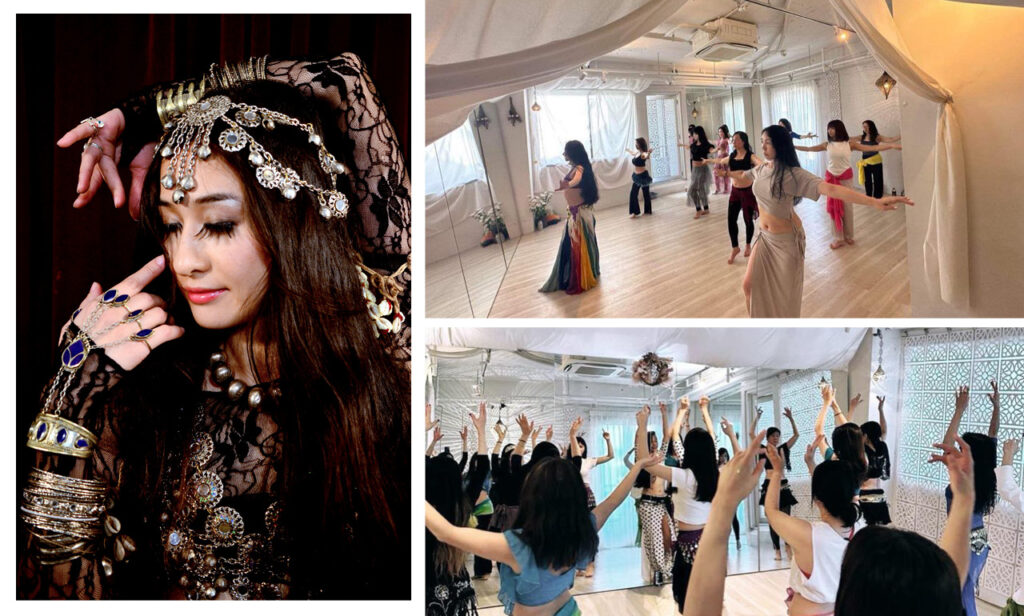
What is the main motivation of your students who come to Ruhani BellyDance Arts?
For the health of mind and body. To dance naturally. To remember who you are as a woman. A time to return to your true self.
Do you think there is a growing interest in Tokyo for your style of dancing?
In Tokyo, choreography has long been and still is popular with many people. Choreography may be better suited to the anxious and shy temperament of the Japanese because it gives a sense of accomplishment, like a drill, and because there are fewer mistakes in terms of technique. I think the most important reason is that we have only danced to choreography since childhood, even in school. I think it’s because they don’t know the joy of improvised dancing.
I belly dance with choreography, and I teach it, but I value improvisation and dancing to the music. When you dance with choreography, you dance with your head, but when you dance with improvisation, you dance with your heart. People who dance by feeling the music show their original beauty, which cannot be expressed by choreography. I like to bring that out.
When performing, there is a complete difference between dancing to a choreography and improvising and feeling the energy of the people present during the performance. It seems to give a different impression to the audience, and many people come to my lessons because they see my natural dancing style.
I believe that Ruhani BellyDance Arts is needed by women who live in a society where they have to use their brains to live, to open their minds and bodies and realize their own beauty, and as a time to return to their true selves.
“The free style of Bon dance that flourished in the Edo period was banned in the Meiji period, and in order to revive it, the lyrics were changed to be more polite, and the dance had to be performed with the same choreography as in the military.”
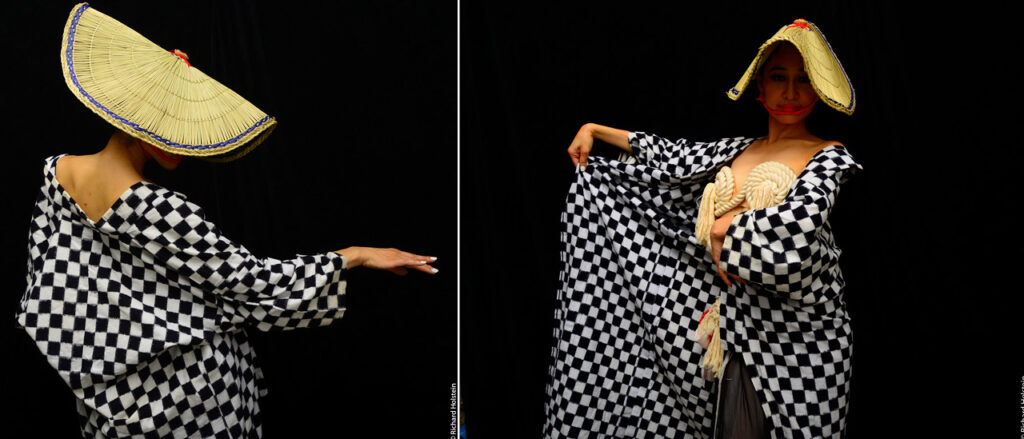
You have been to Turkey many times, and you have performed with BaBa ZuLa many times as well. What can you share about your experiences, especially in terms of how the culture in Japan is different or similar to the culture you experienced in Turkey?
I think that people in Turkey are very humanistic. They never forget a favor. Japanese people also tend to value such things, and in that sense, I feel a sense of affinity with them. The Japanese have a strong culture of “Don’t cause trouble”. It can drive people to loneliness, and it can also prevent cultural and economic development.
In Turkey, people say, “It is okay to cause trouble. We help each other.” This is a critical difference. For example, there are almost no local cats or dogs in Tokyo anymore, because animals left outside are a nuisance to the neighbors. But in Istanbul, there are many. It is beautiful to see how the local people take them to the hospital, feed them, and take care of them.
BaBa ZuLa understands the true meaning of belly dance that I believe in and uses dancers on stage, so every time I work with them it is very valuable. And their music is based on Turkish folk songs played in a free style, that I can relate to and love.
What about the dances? Do you think there are similarities?
I don’t think so, haha.People in Turkey like upbeat. For example, belly dancers love fiery drum solos. But many Japanese prefer watery “taksim” to drum solos.As for Bon Odori, I think we have something in common.
Ring dances and line dances such as Halai have something in common with Japanese Bon Odori. However, this is not something that is common to Turkish and Japanese in particular, but to folk dances all over the world.
How deep are people in Japan related to their Japanese folk / traditional dances? Do many people know folk dances, or traditional dances?
Japanese interest in folk and traditional dances is not very common. The reason is that Japan’s unique performing arts, which flourished in the Edo period (1603-1867), were restricted to a Western measure of elegance in order to catch up with the West during the Meiji period (1868-1912), when Japan became a wealthy country and strong military force.
The same is true of Bon Odori. The free style of Bon dance that flourished in the Edo period was banned in the Meiji period, and in order to revive it, the lyrics were changed to be more polite, and the dance had to be performed with the same choreography as in the military.
Originally, Bon Odori was supposed to be more like a music festival where people could dance freely, but since it has been restricted and regulated in such a way, I think it has become difficult to attract people’s attention. In the post-war period, Japan lost the war and became Americanized, so there are fewer people who are interested in folk dances and traditional dances, as well as folk music and traditional music.
Bon dances and festivals are somewhat popular and some people participate in them, but not as many as in the past. For example, in Tokyo, each community used to complete its festival with only its own people, but now there are not enough people in the community to participate in the festival, and there are even people who go around helping each community. In more rural areas, there is a danger that traditional dances will cease to exist due to the shortage of people.

One spot in TOKYO that NOURAH frequently visited as a child and still does
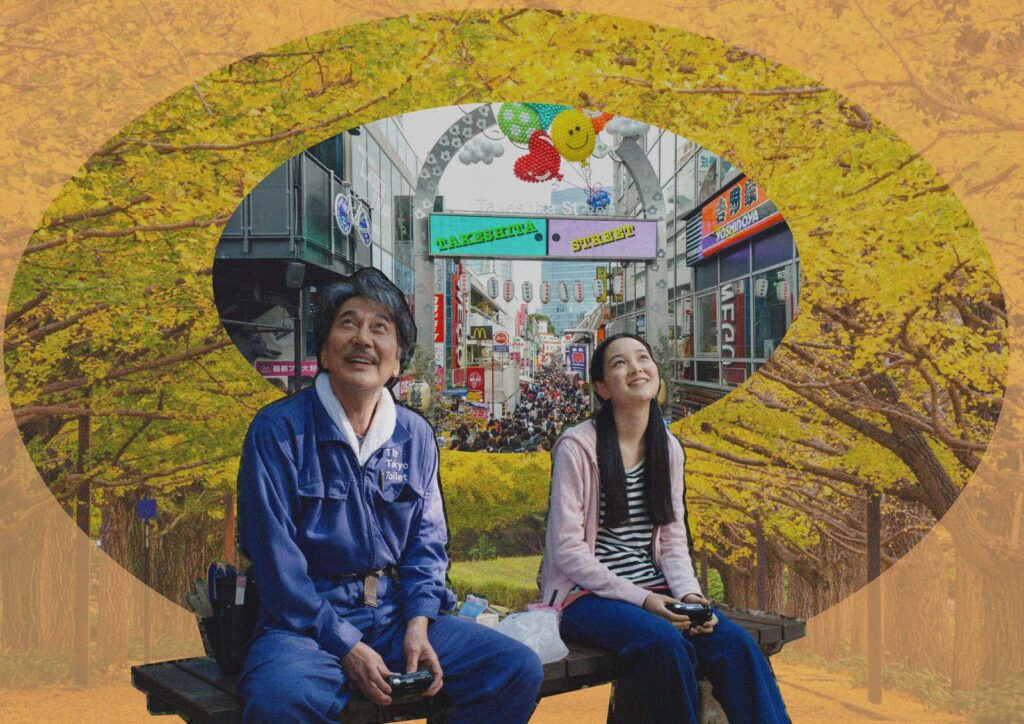
Takeshita Street in Harajuku.
A scent distinctive to TOKYO according to NOURAH
That is a very interesting question. I had never really thought about it before. I have always liked the smell of this season, but the smell of Tokyo….
It is the time of year when the cherry blossoms are in full bloom. The smell of concrete and car exhaust after a slightly warm and rainy day, the damp ocean smell wafting from Tokyo Bay in the distance, and the smell of cherry blossoms mixed in with the smell of the city.
A work that best captures the soul of TOKYO according to NOURAH
Perfect Days by Wim Wenders is my favorite. I live in Shibuya Ward, where the main character, Mr. Hirayama, comes to work. It is an area with eccentric restrooms where many young people come to play, so there is a lot of entertainment going on. There are a few places like downtown where Mr. Hirayama lives, but you can find them if you look for them. For example, the resident manager of the apartment building where I live lives like Mr. Hirayama. I like this work because it gives me a view of both downtown Tokyo and Shibuya.
Something about TOKYO that remains a mystery to NOURAH
Harajuku, where my studio is located, is interesting in that it is not a planned urban area like the area in front of Shibuya station, but rather each store is showing the creativity that they want to transmit. Because it is a popular area, rents are high, and the area is born and disappears in a friendly competition for survival.
And there is a fashion street named Cat Street, but you hardly see any cats during the daytime. But after 8 pm, cats are wandering around and I always wonder how these cats survive.