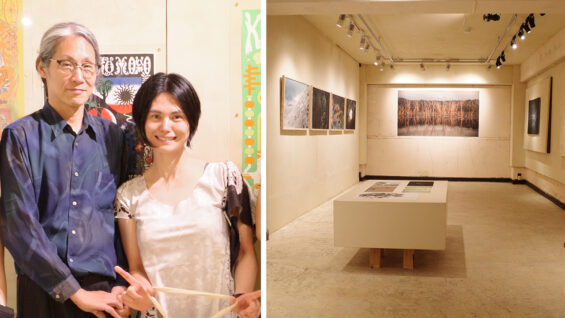


How to blend music, food & resistance in Tokyo: SUBstore
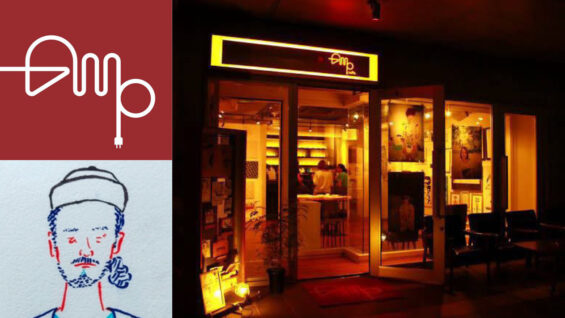
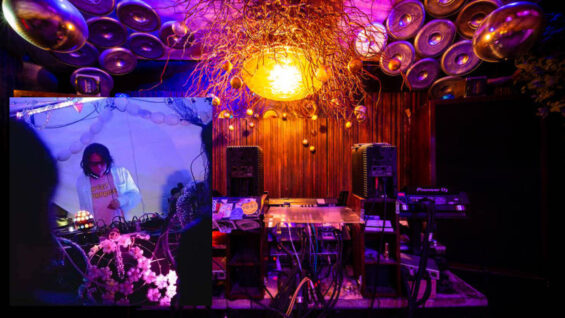
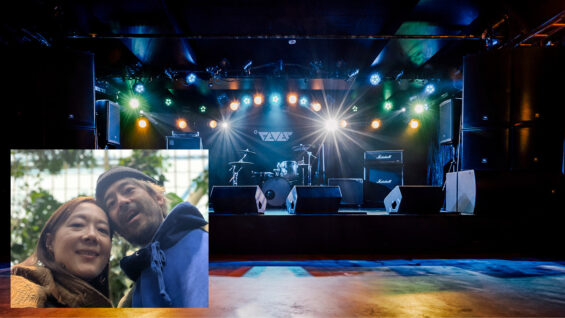
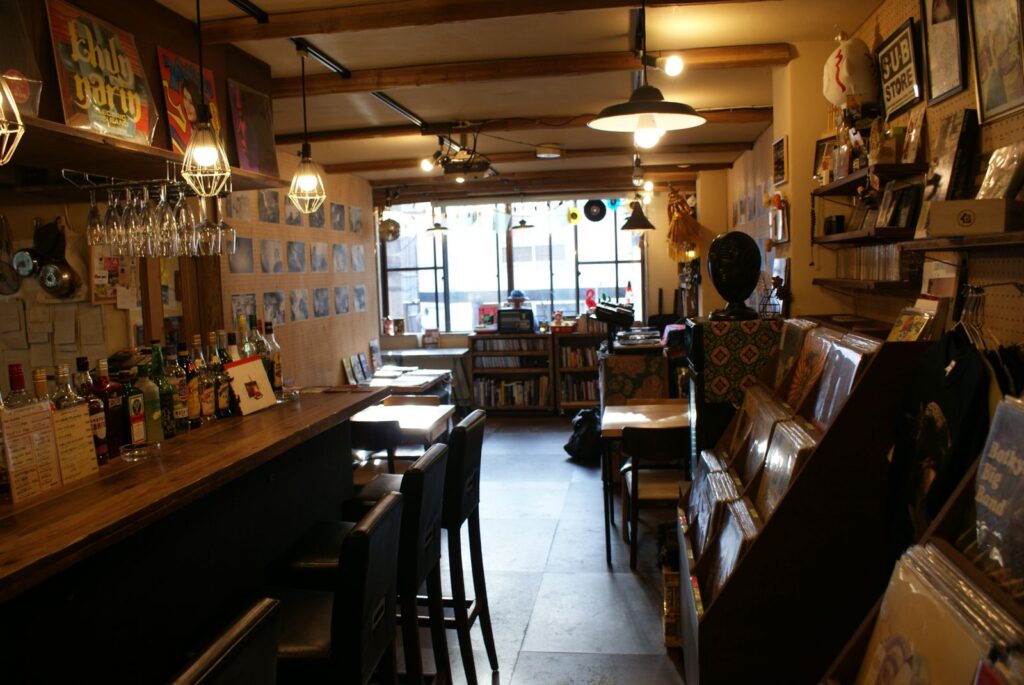
Turning its back on the commercial frenzy of central Tokyo, Koenji is one of the few neighborhoods that has managed to carve out its own subcultural narrative. And among its most welcoming and outward-looking bars (serving also as a cultural hub) is SUBstore. It’s one of the rare “conscious” spaces in the city, raising its voice against urban redevelopment in the neighborhood, immigrant rights, and the genocide in Gaza. SUBstore is not just a bar; it’s also a record and art shop, a gallery, and a live music venue. Don’t picture a massive place though, everything we’re talking about unfolds within just 30 square meters.
One of its Indonesian co-founders, Andhika, spoke to us about SUBstore and the challenges of being an immigrant in Tokyo, while engaging with social struggles.
“We’ve always done our best to support the community, local culture and neighborhood events. We’ve consistently participated in the annual Koenji Anti-Gentrification Parade / Demonstration, and we’re actively involved in humanitarian causes like hosting educational and fundraising events for Palestine.”
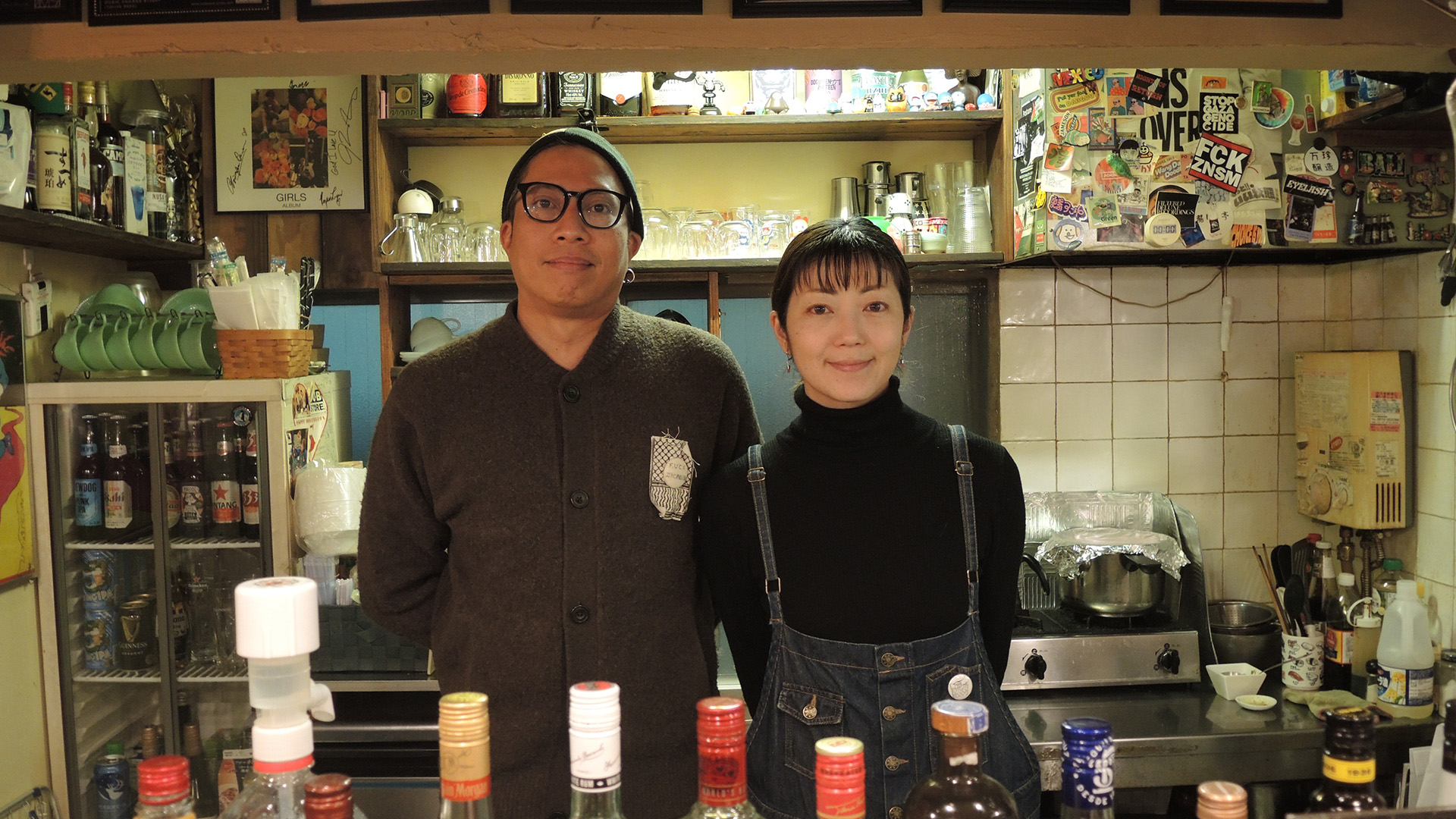
What is the story behind SUBstore? When did it open and what was the original idea?
SUBstore Tokyo opened in March 2016 in the Koenji area, founded by me (Andhika Faisal) and my wife, Kumi Takaba. The reason was simple. We were both tired of the typical “Tokyo-style” work culture; long hours, overtime and little personal freedom. Personally, I also struggled to find work due to not having an official Japanese language school certificate, which is often required for better job opportunities.
So, we decided to create a space where music, culture, art, books, and social activities could come together, while also serving Indonesian food and beverages.
Do you think SUBstore has played a role in how Koenji has changed in recent years?
I’m not sure if SUBstore had a direct impact on how Koenji has evolved, but I hope we’ve contributed in some way. We’ve always done our best to support the community, local culture and neighborhood events.
We’ve also consistently participated in the annual Koenji Anti-Gentrification Parade / Demonstration, and we’re actively involved in humanitarian causes like hosting educational and fundraising events for Palestine.
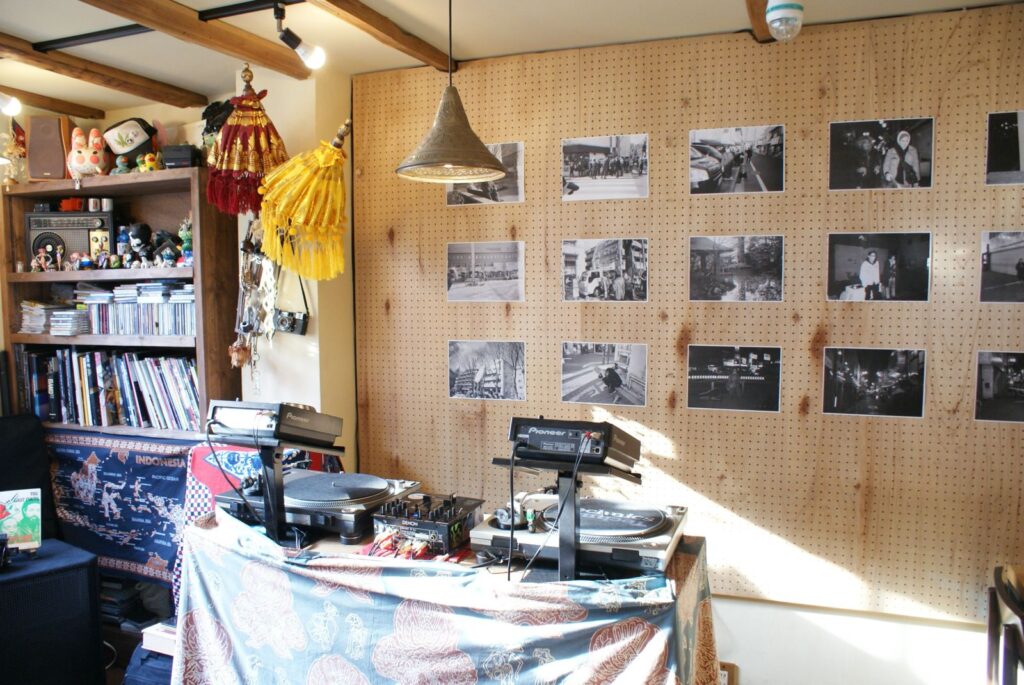
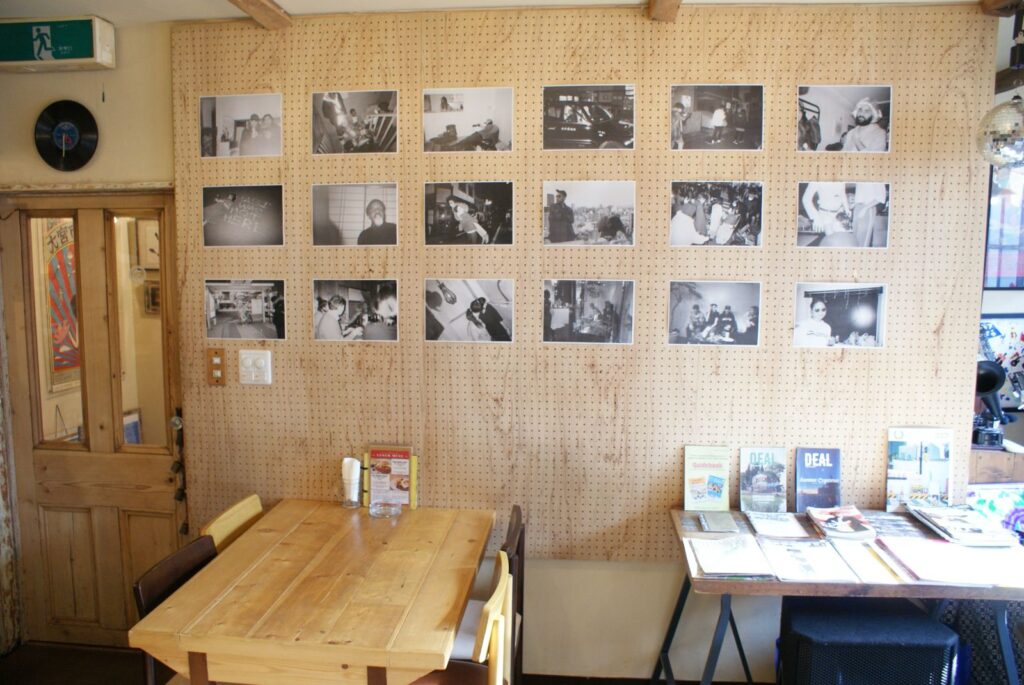
SUBstore originated in Jakarta and showcases books, magazines, and music from various cultures. Are local people in Tokyo interested in discovering artistic work from other cultures? How has your experience been?
Yes, the very first SUBstore opened in Jakarta in 2014 (now closed). At the time, I was living in Tokyo and working as the buyer, curating music, records, books, and more, while my younger brother managed the Jakarta shop.
In 2015, we opened a new branch in Bandung–also now closed–and another in Bali, which is still operating. SUBstore Tokyo opened in 2016, followed by one in Yogyakarta in 2019.
Over time, we’ve felt that the Koenji neighborhood has grown more accepting of our store. There really isn’t another shop like SUBstore in Tokyo–combining multiculturalism in one single space.
The first three years were the hardest. It was difficult to introduce and maintain the concept locally. Many people love our store, but some also mocked us or talked negatively behind our backs. I don’t take those comments personally. I don’t have many options for living in Tokyo and I accept the situation as it is.
We continue to do our best, stay sincere to our customers, support the local community, organize engaging events and always welcome people from abroad.
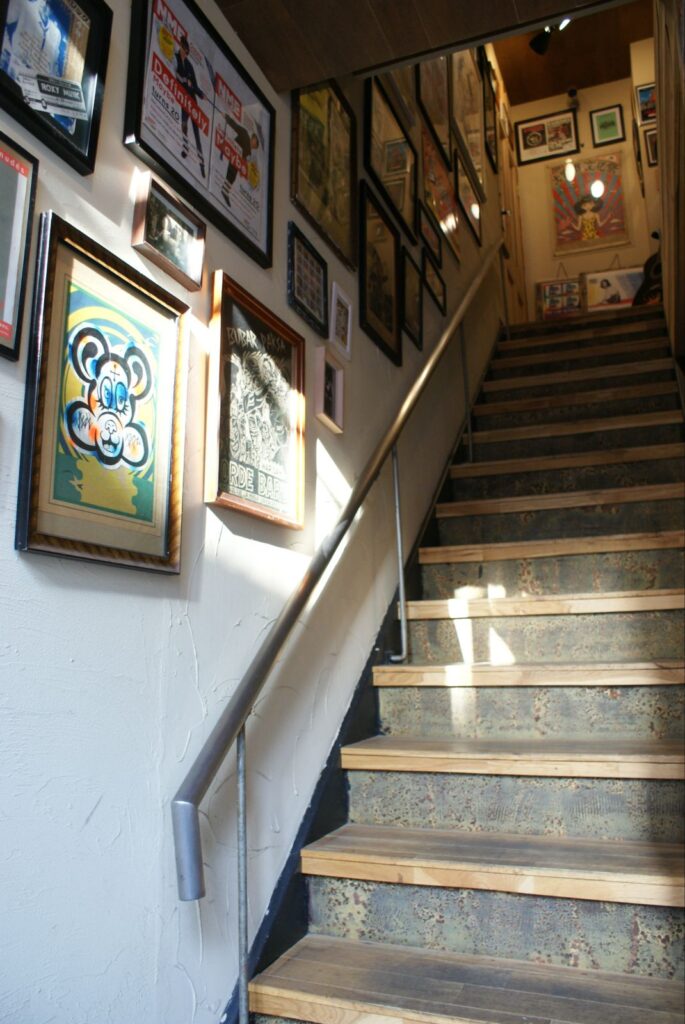
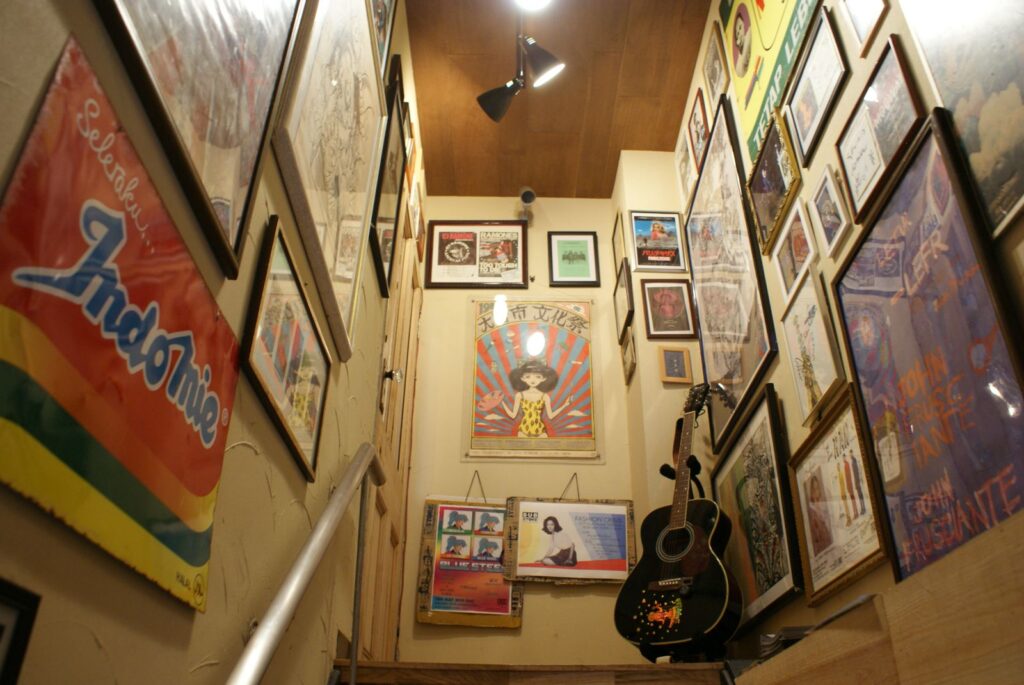
As a foreigner living in Tokyo, can you share some of your positive and negative experiences?
On the positive side, Tokyo is a big, fast, and vibrant city. There’s so much inspiration and so many interesting activities. It’s also one of the most influential cities in the world. If something you do here goes viral, it can get global attention.
On the negative side, the police sometimes stops or checks foreigners, especially people of color like me. They rarely check white foreigners, which can feel discriminatory.
Spots in TOKYO that travelers usually miss, but shouldn’t, according to ANDHIKA
Definitely Nakano Broadway.
Recommended art spots in TOKYO, by ANDHIKA
Tokyo Photographic Art Museum is one not to miss.
One thing ANDHIKA would wish to change in Tokyo
I wish the government would do more to preserve and protect historical areas, old shopping arcades, traditional markets, and buildings instead of demolishing them to build new malls, apartments, or chain restaurants.
SUBstore shares some of their favorite tracks with us
Kadapat – “Kereb Akasa”
Harry Roesli Gang – “Jangga Wareng”
Slank – “Tepi Campuhan”
Dewa 19 – “Cindi”
Gabber Modus Operandi – “Sangkakala III”