

The dreamy allure of city pop and the legend behind it: HIROSHI NAGAI
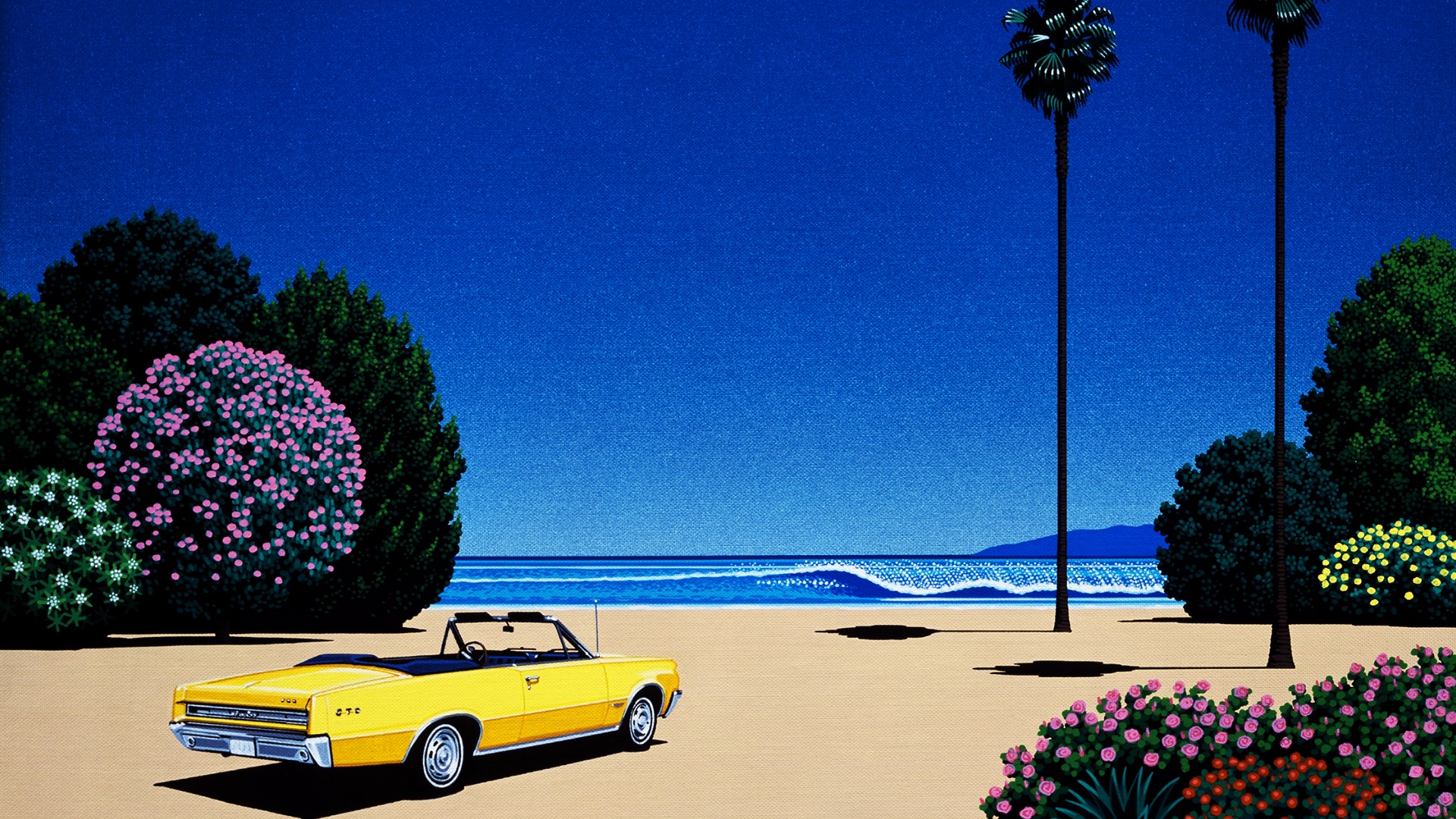
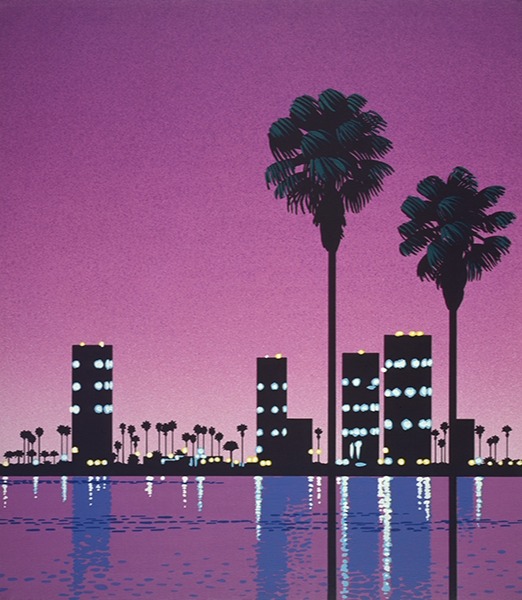
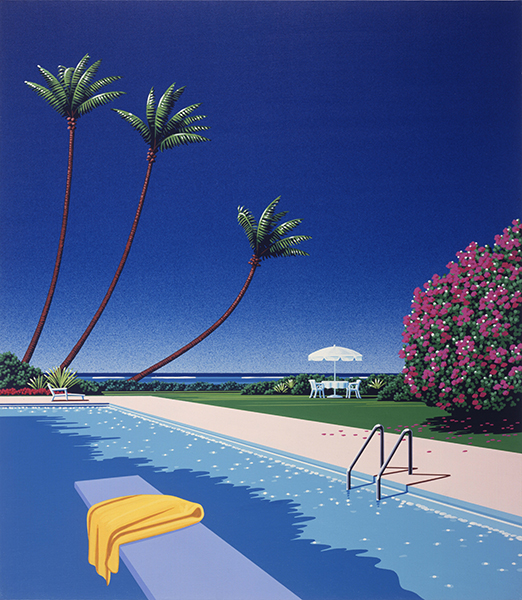
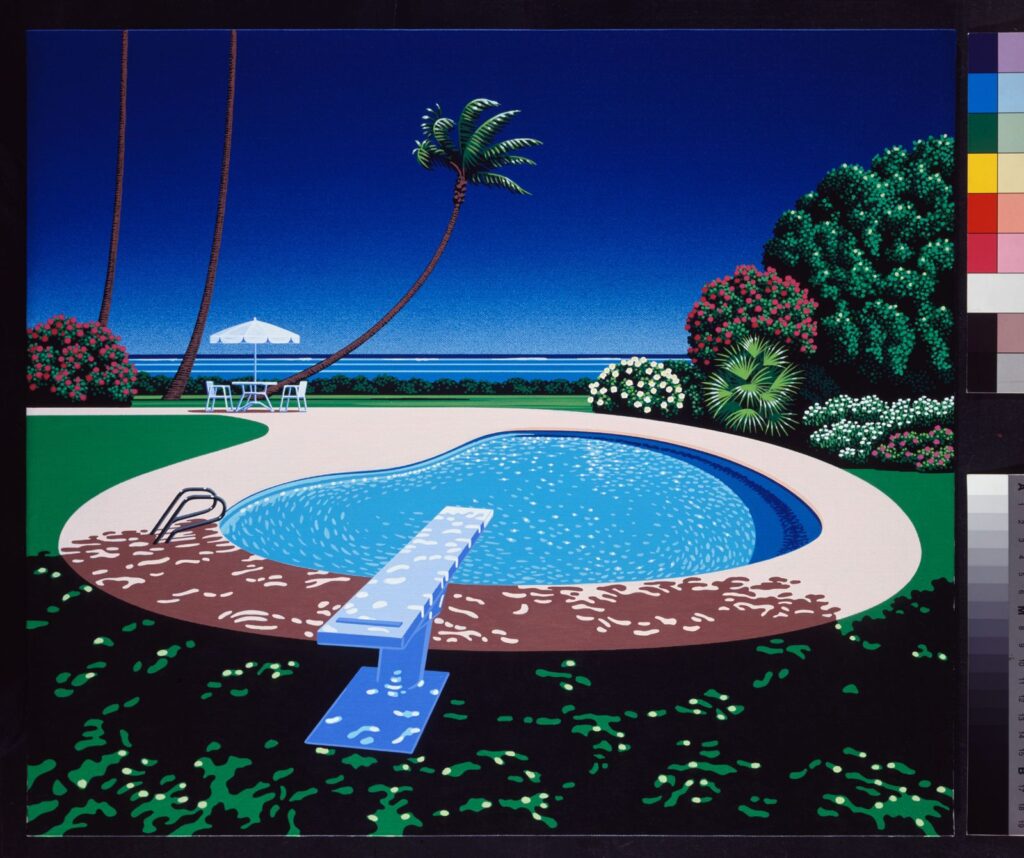
Even if you don’t recognize the name Hiroshi Nagai, you’ve almost certainly encountered his work. Perhaps on an album cover, on a t-shirt or hoodie, or in a random social media post that slipped into your feed and memory. A sunset, a long and lonely palm tree, a vintage American car, a deserted motel, and neon tones that flavor the composition. Nagai’s creations might be described as a parallel dream sequence, hard to put into words. Today, even though his works might look computer-generated at first glance, what you are actually seeing are painstaking oil paintings, crafted entirely by hand.
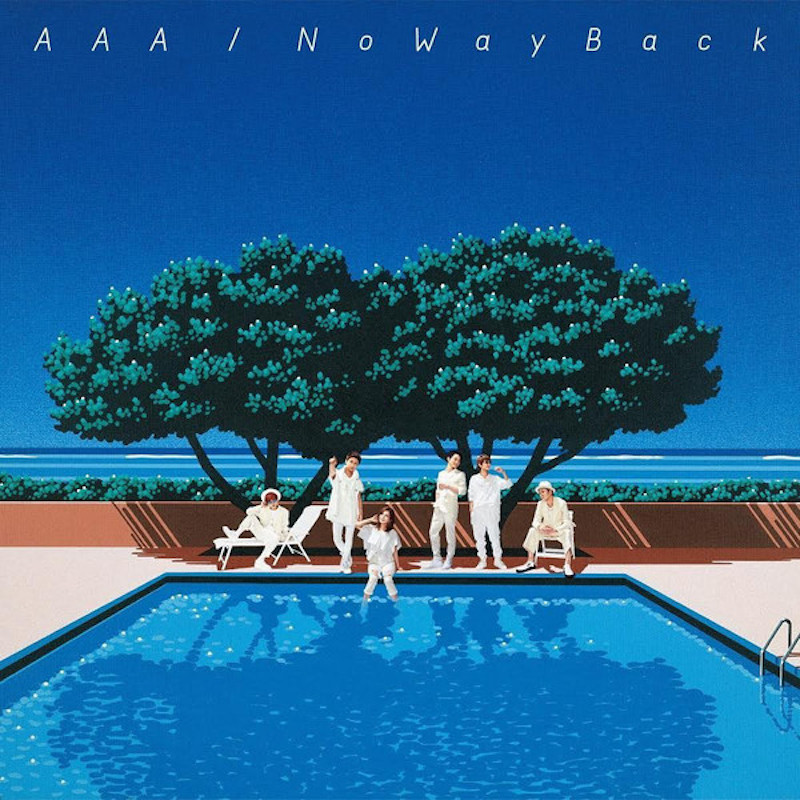
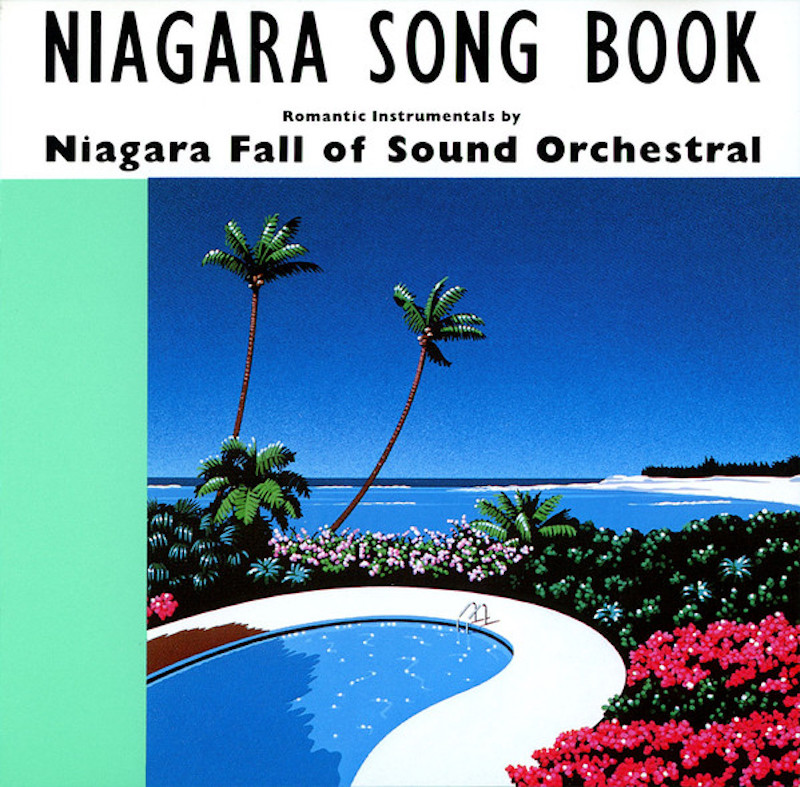
Hiroshi Nagai is one of those rare names in art history who succeeded in creating a style so unique and distinctive it cannot be replicated. Born in 1947, Nagai first rose to prominence in the 1980s with his album cover art. His artwork for Eiichi Otaki’s A Long Vacation became not only a defining moment in his own career but also one of the iconic visual elements of what would later be called City Pop. Just like City Pop itself, revived in recent years by diggers and music hunters, Nagai’s style feels as fresh as ever. It’s no coincidence that Light in the Attic’s compilation Pacific Breeze, released in 2019, features one of his works on the cover.
“In the beginning, I was drawing for musicians. Now it’s the other way around: people choose from my drawings, and musicians take inspiration from them.”
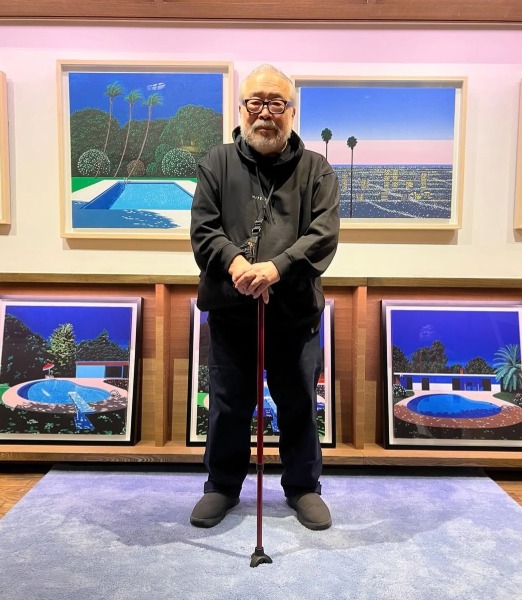
Your works always feel fresh and contemporary, still recognized all around the world after so many years. Do you see yourself as a timeless, ageless artist?
Perhaps you could call it beyond time, since I’ve been drawing in the same style for years. But honestly, I feel like I’ve just been doing the same thing all this time.
Can you tell us about your earliest motivations for making album covers?
As a record collector myself, my first inspiration was to make a record and then create a cover for it.
As a DJ, how often do you play? What kind of music do you spin?
I’m older now, but I used to play two or three times a week with other record collecting friends. Mostly soul and R&B from the 1960s and 1970s.
Do you have any favorite covers drawn by other artists?
I don’t really pay much attention to others’ works. In the beginning, I was drawing for musicians. Now it’s the other way around: people choose from my drawings, and musicians take inspiration from them.
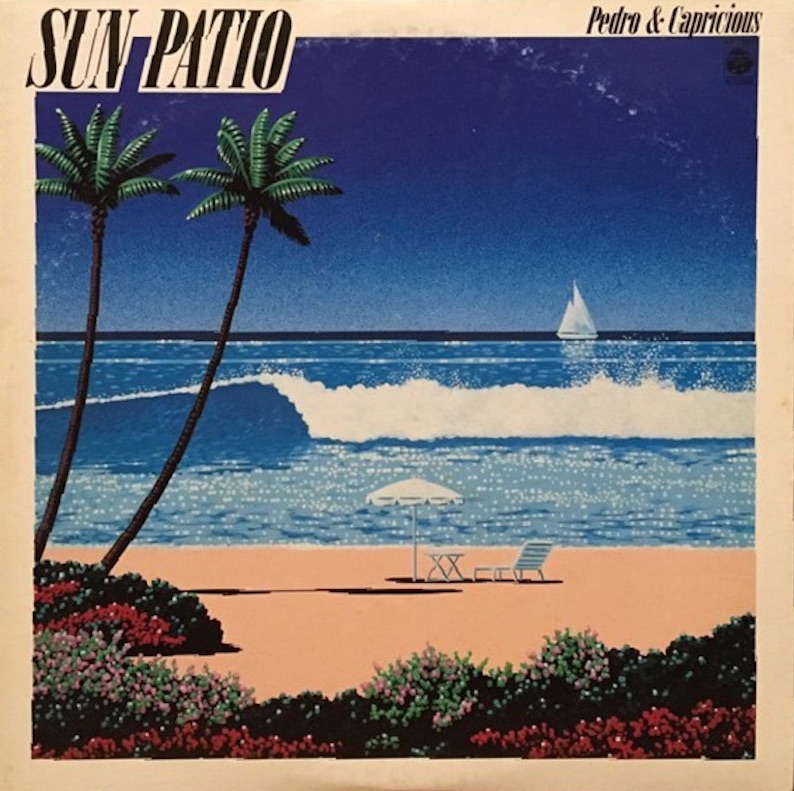
Can you tell us about your famous trip to the U.S. in the 1970s, which became a turning point in your creative life? What was the initial feel that pushed you toward creating this style?
The first thing that inspired me was the San Francisco Airport and its parking lots. The American-designed cars in those lots struck me deeply. I was also very inspired by the motels along the West Coast and the palm trees of Los Angeles. A year later, I went to Guam, and the palm trees there left a big impression as well. You can always see those images in my work.
Yes, and your works feature so many cars too, especially American ones. Do you have a particular fascination with them? Do you own a car yourself?
Yes, I own several Porsches. But I enjoy drawing American cars from the 1960s.
Do you still travel to the U.S. from time to time?
Before the 2000s, I used to go often. Since then, not really. A friend of mine had a record label called Mahata Records, and he helped me bring records back from the U.S.
“I usually prefer working with younger musicians, hoping that my artwork will contribute to their album’s success and sales.”
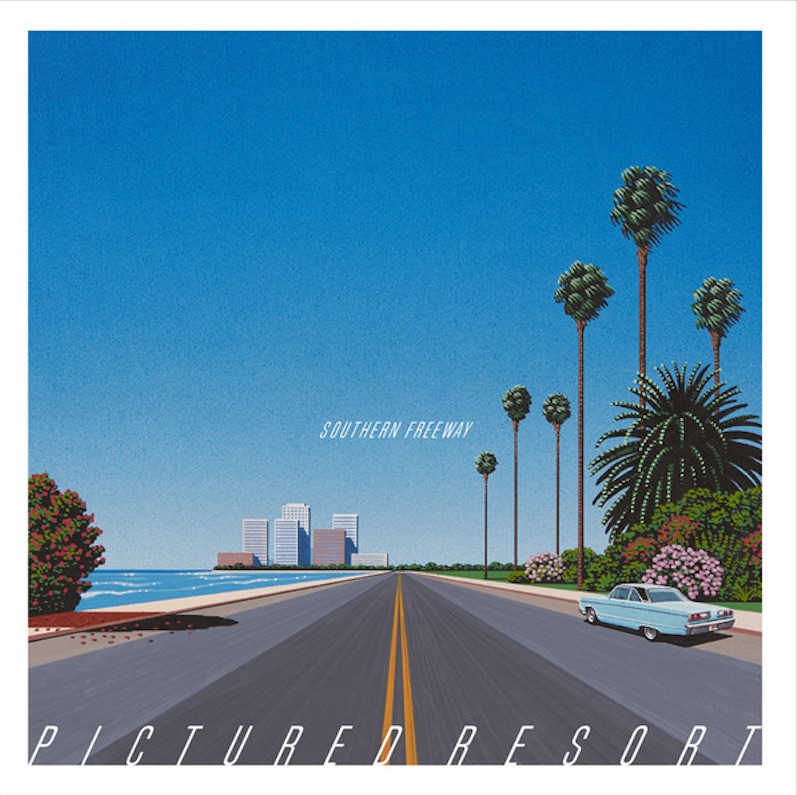
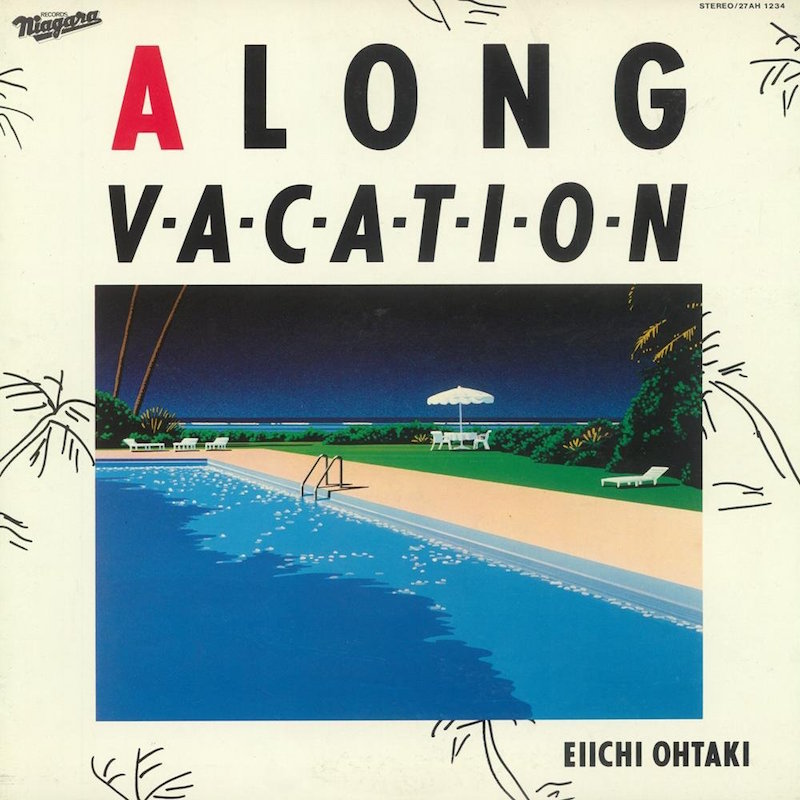
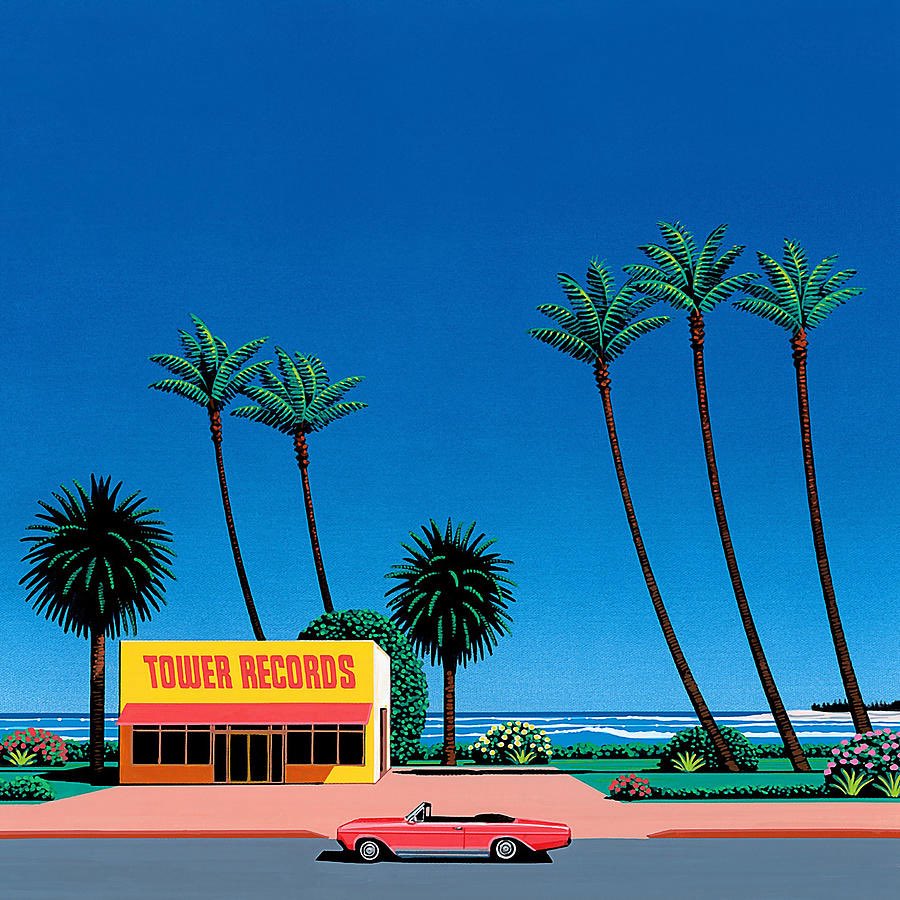
Can you describe what your working environment is like? Do you like listening to music while you paint?
Actually, I don’t like listening to music while I draw. But during the creative process, I love looking at illustrated Arctic books. I find clues in those illustrations, collage them in my mind, and then transfer them to the canvas.
City Pop has regained popularity in recent years, largely thanks to your covers. Do you enjoy City Pop yourself? What do you think about it?
To be honest, I’m not that interested in City Pop as a genre. I’m actually more into Korean City Pop. I even collaborated with Bronze once.
Do you still get many album cover commissions? How does the process usually work?
First, I listen to the musicians’ work and see if their style fits mine. Payment isn’t my priority. I usually prefer working with younger musicians, hoping that my artwork will contribute to their album’s success and sales.
How often do you produce new work? Do you still work every day? Or not as frequently?
Back in the 1970s and 1980s, I used to complete a painting every day. But now I’m older, and my eyesight isn’t as good. It takes me two to three weeks to finish a single piece. I don’t work every day, but when I do, I often work on two or three canvases simultaneously, a few hours on each. These days, most of my focus is on domestic exhibitions held three times a year. Outside of that, I rarely take on new commissions.