
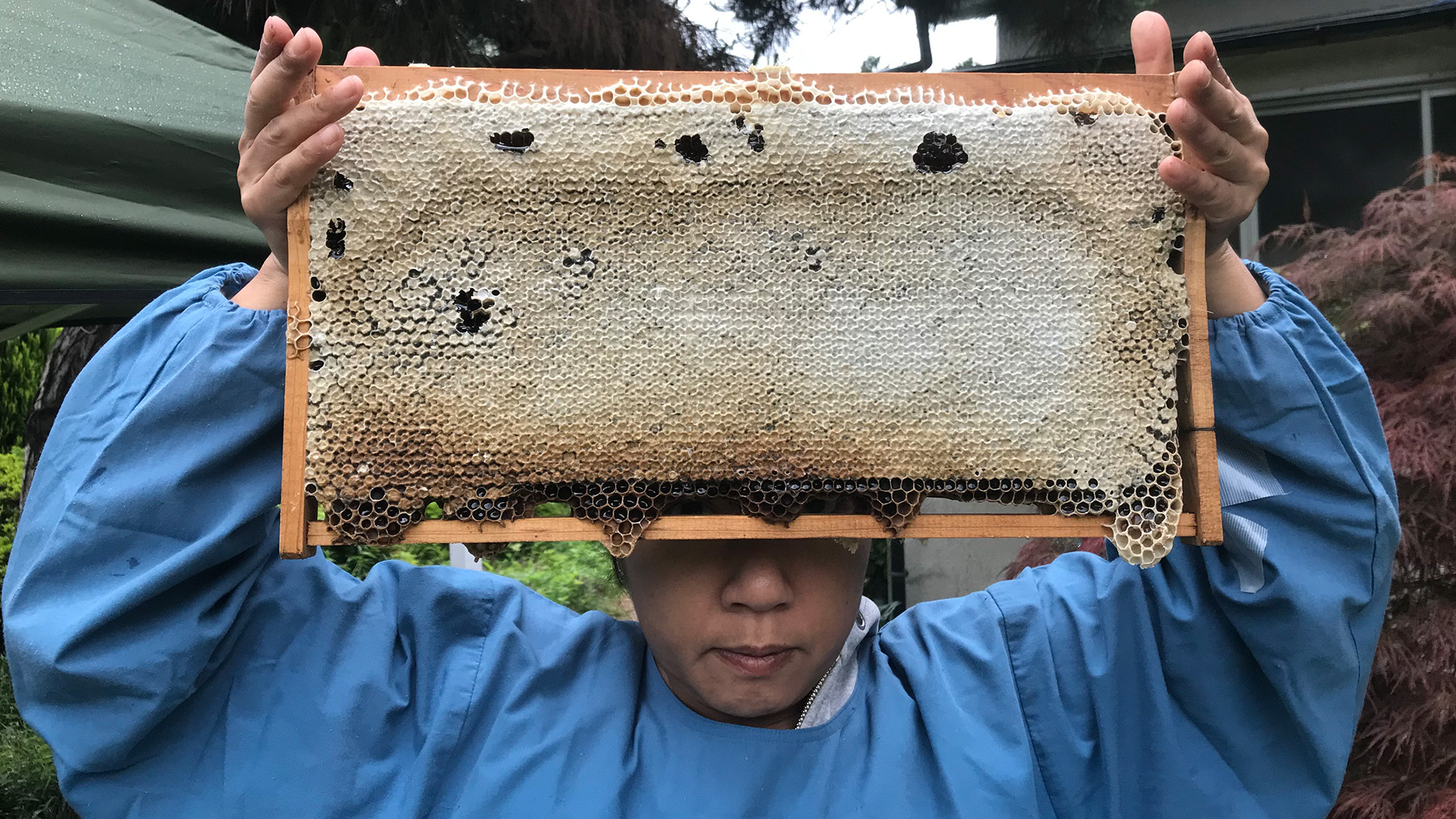
Collecting flower nectar with the bees: NOYUKU HONEY
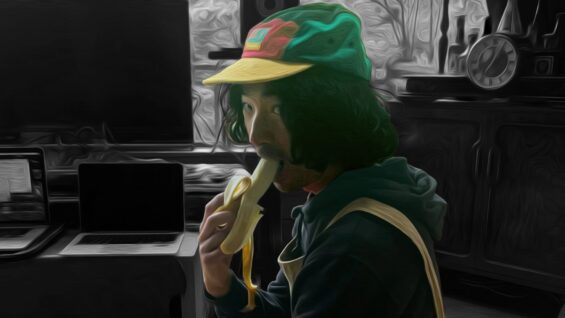
Reo is one of those people who escaped the city in search of peace, building a new life through farming in the countryside. Listening to him, you realize that the motivations behind such an escape (and the challenges that follow) remain the same, no matter how many thousands of kilometers away you go. Reo now spends all his time tending to his beehives on the Yamazaki hills, producing completely organic honey that he sells at local markets and organic stores. Here is Reo and Noyuku Honey’s story.
“I don’t consider honey as simply ‘bee honey’. Instead, I see it as ‘flower nectar’ that the bees and I collect together. That’s why I call myself a flower nectar vendor.”
Why did you decide to leave city life and start beekeeping?
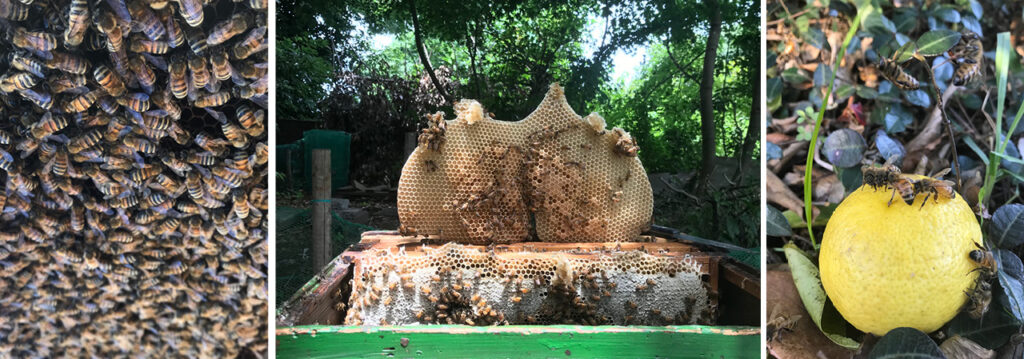
I’ve always loved honey made by small, rural beekeepers and would buy it whenever I traveled to the countryside. One day, by chance, I met a 90-year-old beekeeper in Tokyo, who invited me to visit his apiary. Experiencing the fascinating world of bees and the incredible process of honey harvesting drew me into beekeeping. Eventually, as I became deeply immersed in it, I inherited his bees, which led me to where I am today.
Tell us a little about your brand. What approach do you take in honey production?
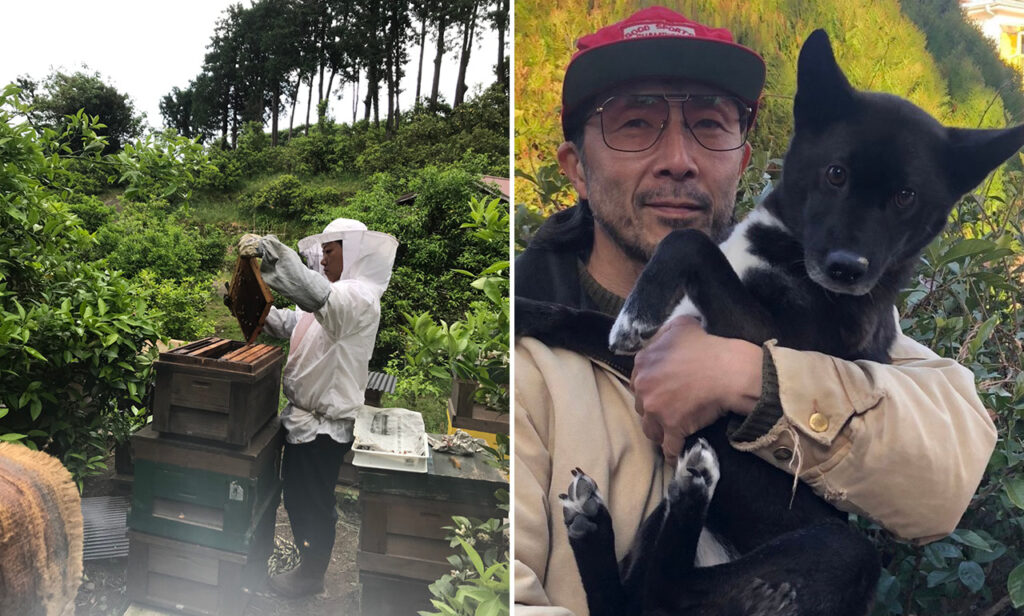
My honey brand is called Noyuku Honey. “Noyuku” is an Ainu word, used by the indigenous people of Hokkaido, where my partner Yasuko and I are from. It means “good bear”. It is also the name of my beloved dog.
I don’t consider honey as simply “bee honey”. Instead, I see it as “flower nectar” that the bees and I collect together. That’s why I call myself a flower nectar vendor. Thinking of myself as a resident of a fantasy world makes the work even more enjoyable. A bee colony (a single hive) functions as one superorganism, with every bee playing a role in sustaining it. I see myself as one of those working bees.
Does Japan’s public system support small-scale farming and independent brands? What is the general public’s interest in organic farming?
Not really. The current system prioritizes farmers who use designated pesticides, and anything outside of that is not well supported.
In fact, the government prohibits labeling produce as pesticide-free or chemical-free, even when it actually is. There are even farmers who falsely claim “no pesticides used” despite using them, as there are no strict regulations. Since there isn’t much awareness or interest in organic farming, such products are less widely distributed.
Many Japanese consumers still prefer perfectly shaped vegetables and fruits, and they are not accustomed to buying or eating produce with blemishes or irregularities. Some people, including my own brother, even refuse to eat them.
Fortunately, through my search for beekeeping locations, I’ve connected with farms that have been pesticide-free for many years. This allows me to enjoy truly safe and delicious fruits and vegetables.
Can you tell us more about the life in the Japanese countryside? Do you feel more people are choosing to live in rural areas these days?
One of the best things is being able to drive anywhere without stress, and park for free. It’s a small but incredible freedom. I don’t really feel that more people are moving to the countryside.
A recommended day trip outside of TOKYO by REO
Enoura, Odawara City: A town famous for citrus cultivation, with beautiful stone-walled terraced fields along the coastline. The Enoura Observatory has gained popularity recently, but when the mandarin orange trees bloom, the air is filled with a wonderful fragrance. There are also hot spring resorts nearby.
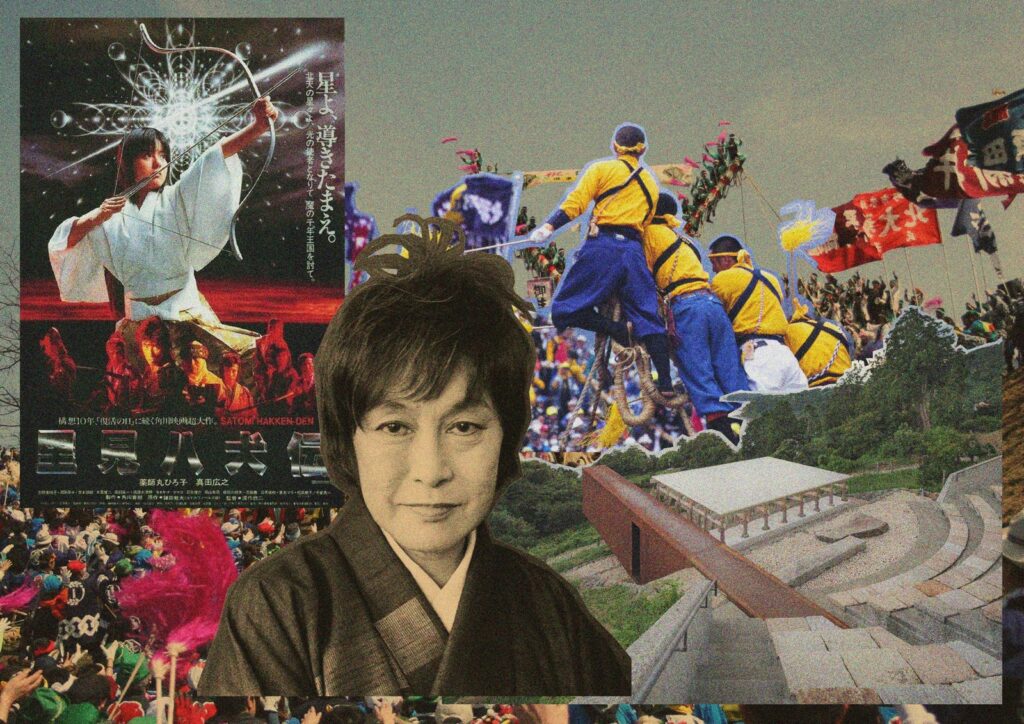
Okaya City, Nagano Prefecture: Known for the Onbashira Festival, held once every seven years. The hot springs have excellent water quality, and the soba noodles are delicious. This place is amazing.
I could name more, but my real favorite spots are a secret. If you’re lucky, you might make friends in Japan who will introduce you to hidden gems beyond typical sightseeing routes.
TEENAGE KICKS: REO’s early influences in JAPAN
As a teenager, I listened to Anthrax, Primus, and Melvins a lot. I still love them today.
As for writers, I was influenced by Naomi Uemura and Chogetsu Kurumatani, whom I discovered through Masako Shirasu. For filmmakers, I admire Kinji Fukasaku’s 1970s-1980s films, as well as Yasujiro Ozu.
I also enjoy The Brothers Quay’s animations and Frank Whaley’s film Joe the King, which is one of my favorites.