

In search of the best food and wine in Tokyo: FUMIKO UNAGAMI
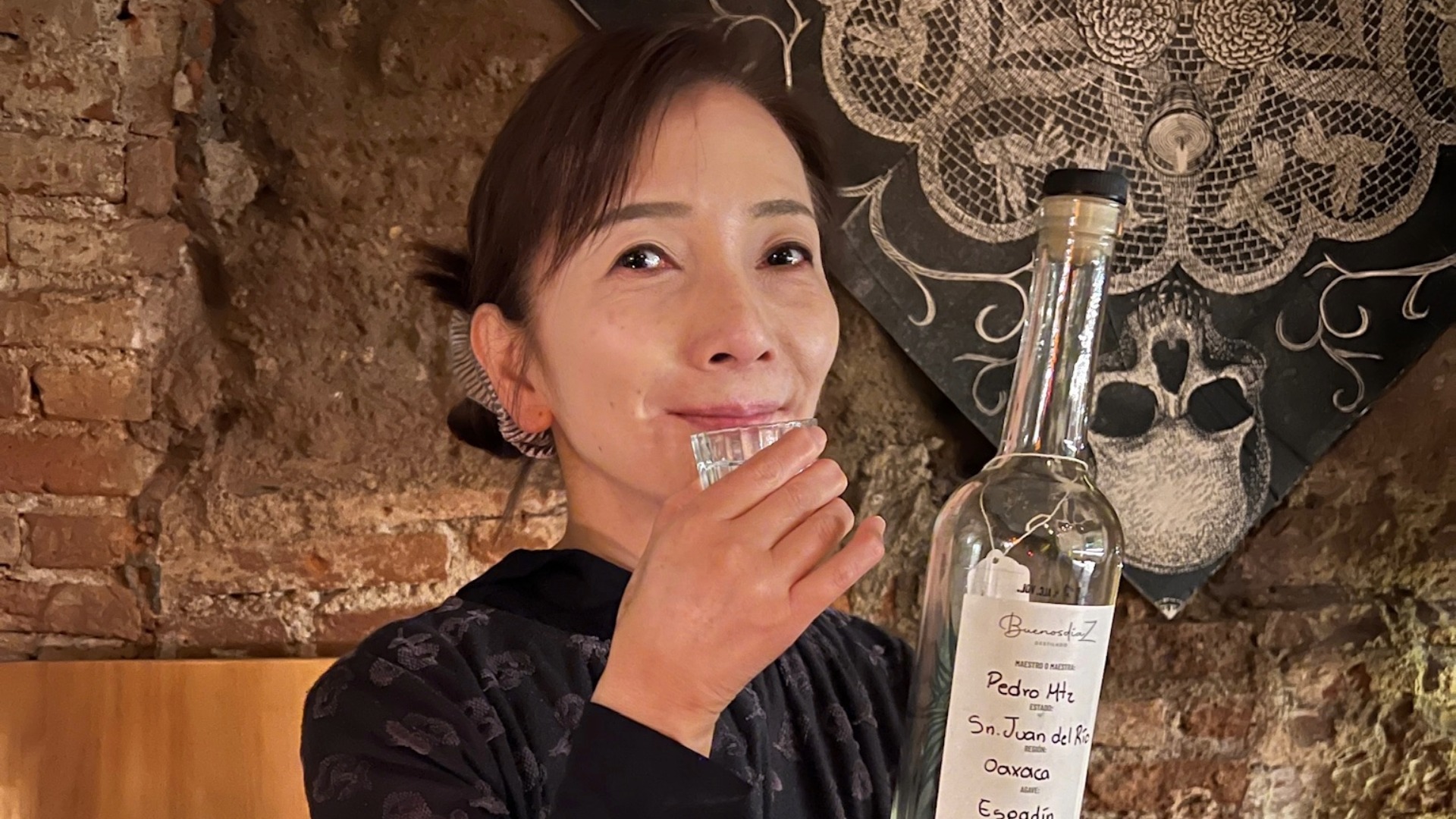
Fumiko Unagami is one of the hundreds of thousands of white-collar workers who crowd Tokyo’s subways during the early morning and evening rush hours. But Fumiko has a side that refuses to submit to this modern form of slavery. Unlike her colleagues who choose not to take their two weeks of annual leave, she seizes every opportunity to escape to a different corner of the world, pursuing local wines wherever she goes as a sommelier. She also has a wonderful trait: among the countless restaurants scattered throughout the city’s labyrinths, she manages to discover the most hidden, most special spots. And if you know her, she will gladly take you there. We talked with Fumiko about her wine adventures, as well as her favorite places and flavors in the city.
“Japan’s drinking culture is both mindful and deeply traditional. Banshakuis about relaxing at home with a drink, savoring the flavors, and reflecting on the day.”
You are one of the best restaurant hunters we have met in Tokyo. What do you look for in a restaurant? What defines a good restaurant to you?
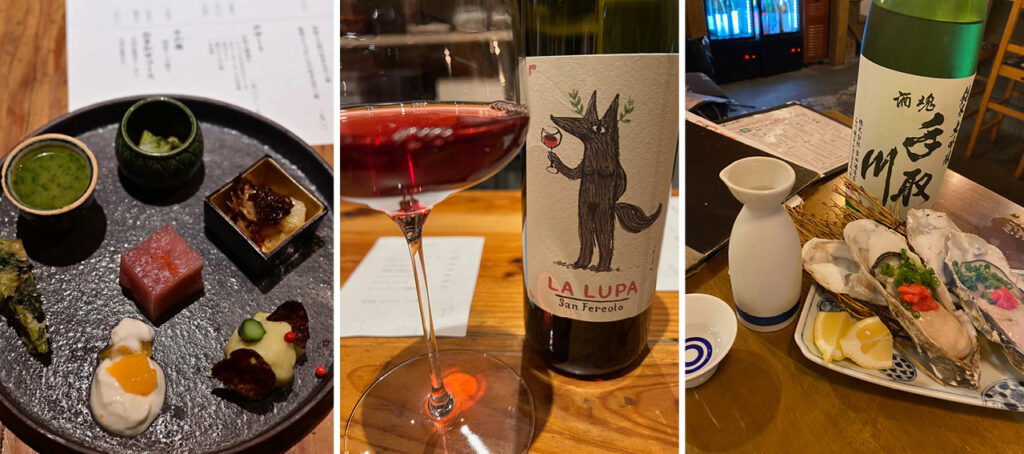
When I scout for a restaurant in Tokyo, I often look for local spots that offer a casual dining experience. My neighborhood, Nishi-Ogikubo, is full of diverse eateries, from casual to quirky, and I rotate among my favorites. I love izakayas that pair regional Japanese dishes, like Okinawan cuisine, with local drinks such as awamori or regional sake. A good selection of drinks is essential too. I enjoy places that pair natural wines with creative dishes, like modern Chinese or vegetable-focused bistros. I also enjoy venturing out to try buzzworthy spots I’ve heard about, such as a Spanish Basque restaurant or renowned Peruvian cuisine, often based on friends’ recommendations. For me, a good restaurant combines authenticity, creativity, and a warm atmosphere.
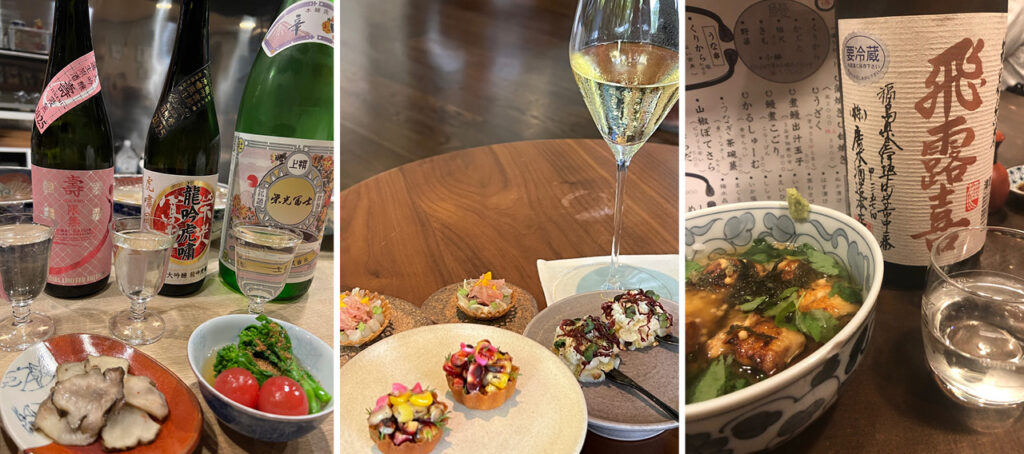
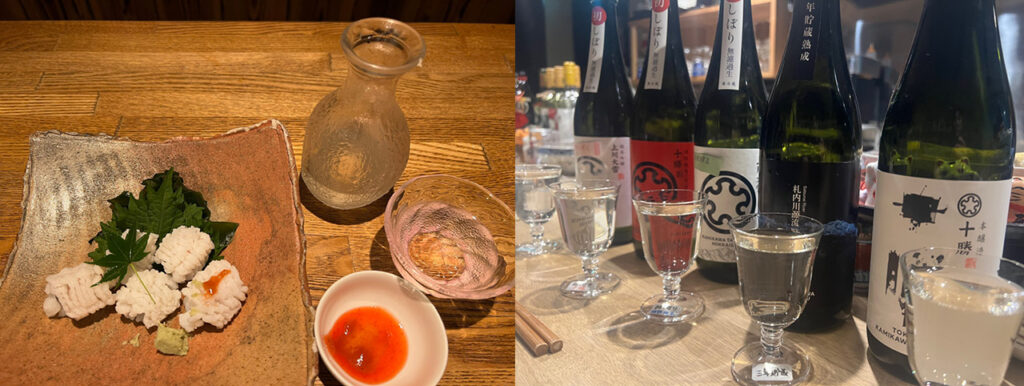
You are a wine expert and know a lot about sake. What can you tell us about the drinking culture in Japan? Specifically, what differences do you notice in how people drink in other parts of the world compared to Japan?
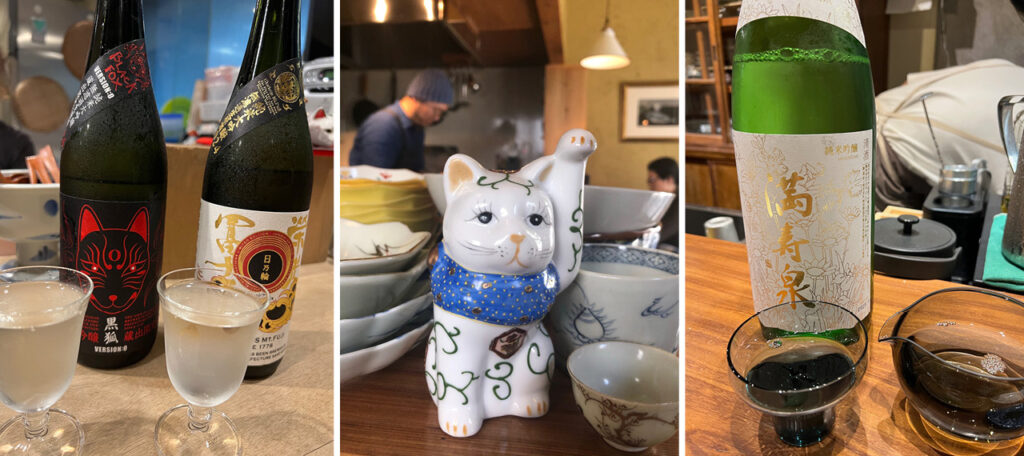
Japan’s drinking culture is both mindful and deeply traditional. Banshaku is about relaxing at home with a drink, savoring the flavors, and reflecting on the day. Drinks like sake are integral to religious and family events, symbolizing community and respect. In contrast, other countries often emphasize social drinking at lively gatherings. Japan’s approach uniquely balances personal enjoyment with cultural significance, offering a thoughtful way to connect with oneself and others.
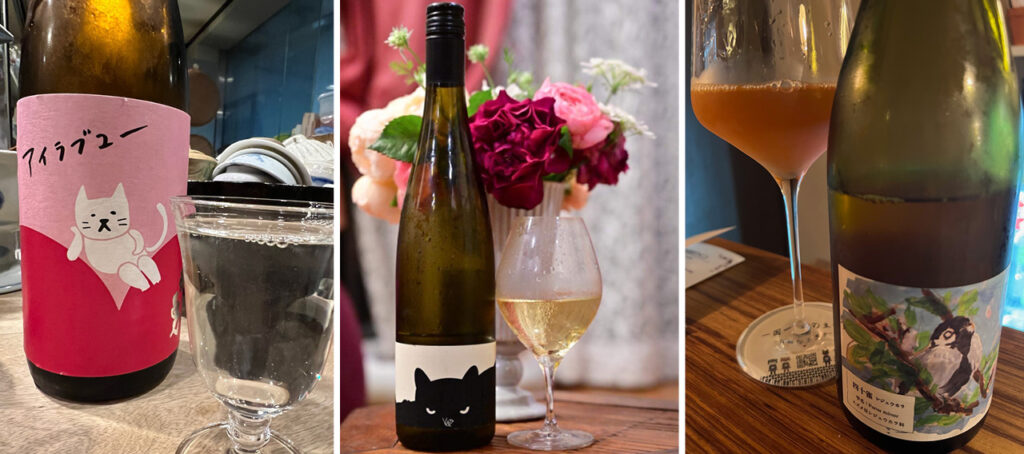
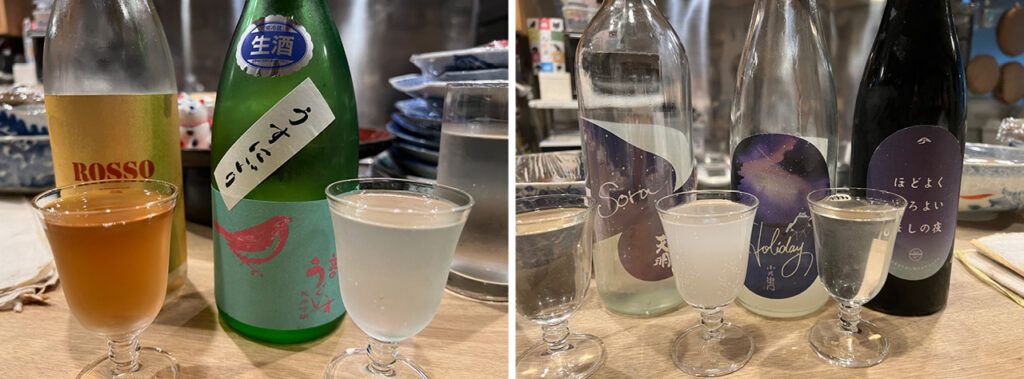
Japan is increasingly making a name for itself in wine production. Are there any organic wine producers or brands from Japan that you particularly like or would recommend?
I want to answer properly, because the question opens something genuinely complex. There is no universal definition of “organic wine.”
The legal definition varies dramatically by country. In the US, certified organic wine cannot contain added sulphites. In the EU, they’re permitted at lower levels. Japan has its own separate framework. A bottle labelled “organic” in one country may not qualify in another. Beyond certification, terms like “natural,” “biodynamic,” and “low intervention” each mean something different and none are globally standardised.
On the word “brand”… In wine, “brand” has a specific meaning. The classic model is the négociant – a merchant who purchases grapes or finished wine from multiple growers, blends it, and sells under their own house label at consistent volume and style. Think Louis Jadot or Bouchard Père & Fils in Burgundy. Japan doesn’t really have that model yet, and its appellation system (GIs like Koshu or Chikuma River Valley) is still young. Those regional styles aren’t particularly to my taste, so outside of study purposes I rarely seek them out. My honest ratio: roughly one Japanese bottle for every 150 imported ones.
One producer I genuinely admire: Sakai Winery, Yamagata. Founded in 1892, it’s the oldest winery in the Tohoku region, still family-run. The current head insists on wild-yeast fermentation, no herbicides or pesticides, no fining, no filtration, no added cultured yeasts and they use sheep to graze and control weeds. As close to the vin méthode nature spirit as you’ll find in Japan. Not formally “certified organic,” but philosophically as natural as it gets. Only available at specialist Japanese wine shops even in Tokyo.
So, no definitive list of “Japanese organic wine brands” exists. The category is slippery worldwide. But if you want a producer with genuine craft and deep roots, Sakai Winery is my answer.
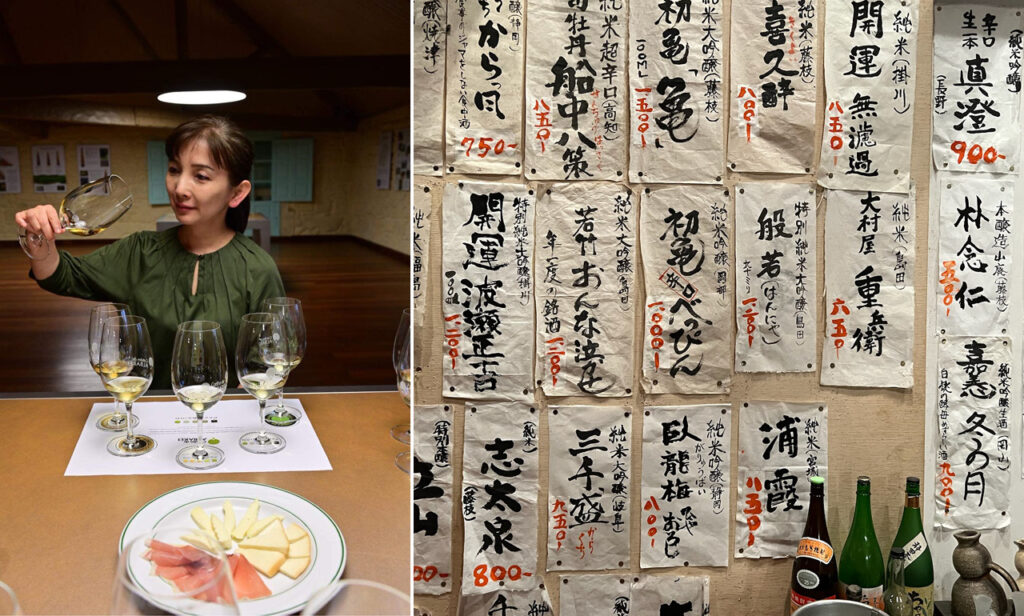
As red and white wine are popular in Turkey, we would like to get some recommendations for our readers. What Japanese foods are best paired with red and white wine?
Pairing Japanese food with wine is a delightful experience! I often enjoy Sauvignon Blanc from New Zealand or Sancerre in France, which pairs excellently with sushi or sashimi, enhancing the fresh seafood flavors. For indigenous white varieties, I enjoy Albariño (Spain), Grüner Veltliner (Austria), and Assyrtiko (Santorini) with seafood for their complementary profiles. If you’re exploring Japanese wines, the white Koshu is a particularly approachable choice.
For richer dishes like yakitori or teriyaki, a lighter red like Pinot Noir or a medium-bodied red pairs well. Japanese cuisine often uses fermented seasonings like soy sauce, miso, and shio koji. Natural wines and orange wines complement these flavors beautifully, as both the food and wine share a foundation in fermentation.

Recommended restaurants in TOKYO, by FUMIKO UNAGAMI
I tend to avoid the busy areas like Shinjuku and Shibuya, so let me share some of my favorite spots in my local area, Nishi-Ogikubo, which is a residential area on the western side of Tokyo. For a delicious Hiroshima-style okonomiyaki, “Kanran” is a must-visit; I always take friends from overseas there. “Yasmin” is a modern Chinese restaurant that offers a great selection of natural wines. For Okinawan cuisine, “Kuina Kuina” delivers delicious dishes—be sure to enjoy them with some awamori!
An izakaya, which is a place to enjoy casual Japanese food and drinks, much like a meyhane, can be found in every town. It’s always a good idea to ask locals for their favorites. Around my neighborhood, “Shinpo” is a standout choice.
One spot in TOKYO that FUMIKO UNAGAMI frequently visited as a child and still does
Having grown up along the Chuo Line, which is a train line running through the heart of Tokyo from east to west, I’ve always frequented Kichijoji, and I still live near there today. When I visit Kichijoji, I love taking a stroll through Inokashira Park. I also enjoy visiting the small shops and personal boutiques behind the Tokyu Department Store. There are plenty of charming cafes for tea and unique local stores where I still shop.
A scent distinctive to TOKYO according to FUMIKO UNAGAMI
One unique scent of Tokyo for me is the seasonal fragrance of flowers like Daphne (jinchōge) and osmanthus (kinmokusei). Alongside this, the city has a distinct soy sauce aroma, especially noticeable when returning from abroad. The scent of unagi grilling and the smell of Japanese curry wafting from neighborhood homes during dinnertime are quintessentially Tokyo, capturing the essence of the city.
What FUMIKO UNAGAMI misses most about TOKYO when abroad
When I travel abroad, one thing I miss—though it’s not just about my hometown—is Japanese high-tech toilets. Their convenience and advanced features, like bidet functions, heated seats, and the sound feature for privacy, provide a level of comfort that’s hard to find elsewhere.
TEENAGE KICKS: FUMIKO UNAGAMI’s early influences in JAPAN
An influential figure for me is essayist Toyoo Tamamura. His writings sparked my interest in food, and his journey later led him to run a winery in Nagano Prefecture. His work continues to inspire my appreciation for culinary arts and wine.
One thing FUMIKO UNAGAMI would wish to change in TOKYO
The crowded rush hour trains.