

An accurate portrayal of Japan, beyond the clichés: ABROAD IN JAPAN
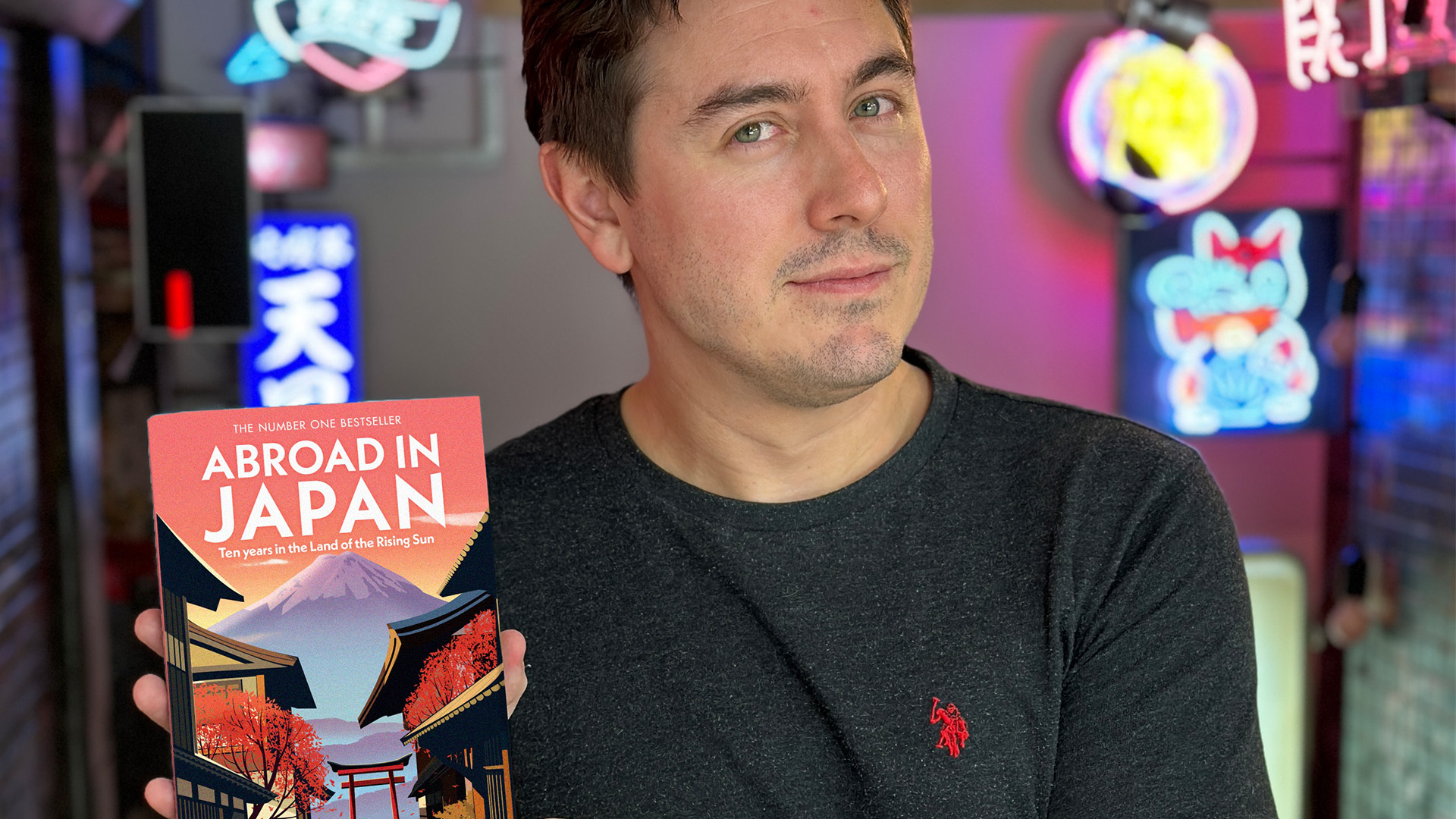
Chris Broad, also known as Abroad in Japan, has been shedding light on the lesser-known sides of the country for over a decade with his sharp observations spanning from the streets of Tokyo to rural Japan, unique sense of humor and impressive production quality. In addition to his YouTube channel, he has written a book in which he shares personal experiences, hosts several podcast series and recently opened a bar in Shibuya.
“When I started, there was barely any content online about Japan and the world was fairly naive on Japanese culture. We’ve come a long way in the last decade and I’ve got to search harder for original stories that no-one else has covered more and more with each passing year.”
As a foreign content creator, how has your experience been in terms of making and sharing your work in Tokyo? Does living in Tokyo still allow you to experience the city as a place of discovery?
I’ve been living in Tokyo since 2023, and I’ll admit, I don’t wander off and explore the city as much as I should. When I first moved here, I’d try and do ten thousand steps everyday however, and the highlight was getting lost down a backstreet, finding a hidden temple or shrine, or uncovering a tiny bar concealed under a bustling railway bridge. The city lends itself to those kinds of wonderful daily discoveries. It’s so dense, every neighbourhood brings its own rewards.
You’ve been creating content about Tokyo and Japan for more than a decade. Do you feel certain responsibilities? Have they changed over time? Have there been specific shifts in your narration and approach over time?
Absolutely. When I started Abroad in Japan, it was just me, a camera, and a bit of sarcasm, trying to make sense of Japan from an outsider’s perspective. Over time, the audience grew, and with that came a certain responsibility. Not just to entertain, but to provide a fair and accurate portrayal of Japan, beyond the clichés. I realized many people’s impression of Japan came from videos I was sharing on Abroad in Japan. I feel more pressure on what I say or do to the point I wonder if I’m censoring my opinions sometimes. At least more than I once did.
When I started, there was barely any content online about Japan and the world was fairly naive on Japanese culture. We’ve come a long way in the last decade and I’ve got to search harder for original stories that no-one else has covered more and more with each passing year.
If you were to start your channel from scratch today, would you do anything differently in terms of content, or format?
The bar is certainly higher on YouTube when it comes to production quality. It used to be about vloggers and personalities. Now the focus is on storytelling and making content that stands out.
I’d probably focus more on high-concept storytelling from the start, like deep-dive documentaries. When I started, it was more about figuring things out as I went along, which was fun, but a lot of early videos lacked a clear direction. But the fundamentals—humor, storytelling, and cultural exploration—would remain the same. Strike the balance between entertaining and educational content and you’ll find the holy grail of content.
You opened a bar in Tokyo, named Lost, located right in the heart of Shibuya. How does this experience shape your ties with the city? Many bars in Tokyo cater to a specific niche. Is there a particular theme, design, or menu item that sets Lost apart from other bars in Tokyo?
Opening Lost has been a completely different experience from running a YouTube channel. It’s one thing to capture a city on film; it’s another to run a physical space in it. It’s made me appreciate the pulse of Shibuya in a way I never did before—how businesses survive, how communities form around places, and how much effort goes into keeping the lights on.
What sets Lost apart? We wanted a space that felt like a blend of Japanese nightlife and a welcoming, unpretentious hub for travelers and locals alike. There’s also a travel theme tied to the name, people ‘lost’ in the city, finding their way. As for a standout menu item? British mature cheddar cheese. It’s notoriously hard to find good cheese in Japan!
In the book Abroad in Japan, you share personal stories beyond what we see on the YouTube channel. Was there anything particularly difficult or emotionally challenging to write about?
I’ll admit I got emotional reflecting on my time with Itou sensei, the warmhearted former train engineer who became my Japanese tutor. We met every Wednesday for a couple of hours and he’d help me with my studies. But in the end, all that happened is we laughed and messed around in English, while I listened to his stories from times passed. If it wasn’t for him, I wouldn’t have won the Japanese speech contest though and I feel sad knowing I wasn’t there when he passed away. I’m extremely grateful for our time spent together though and it felt great to write about him in the book.
Do you think Tokyo offers more opportunities or more limitations for independent creators? Why?
I think Tokyo is the easiest place to start out as a creator, although back in the day, many of the early YouTubers seemed to be based in Nagoya and Osaka. There’s no doubt Tokyo is where the opportunities lie however, and with a city of this scale, it’s not difficult to find a new story; a dish, a person, a unique building. You’re spoiled for choice here. That being said, I enjoy watching videos set in more obscure locations in Japan, such as my friend Quinlan who makes content on hiking North Japan on his YouTube channel GoNorth.
In terms of current popular culture artefacts on Japanese culture, has there recently been a western production (especially a movie or a television series) that impressed you in the sense that it doesn’t throw in westernised Japan culture cliches or stereotypes?
There’s no doubt that Shōgun was a standout TV show. It did an incredible job of weaving together the complex internal politics and power struggles of the time (albeit taking some artistic license), all with mostly traditional Japanese dialogue. You could see the attention to detail across the series, from the phenomenal costumes to the vast production designs. It’s no surprise that the show won across most major awards shows, scooping up Golden Globes, a bunch of Emmys, and other accolades.