
Bridging underground cultures through club nights: AG
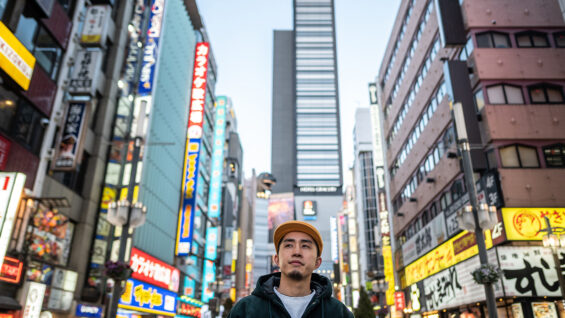
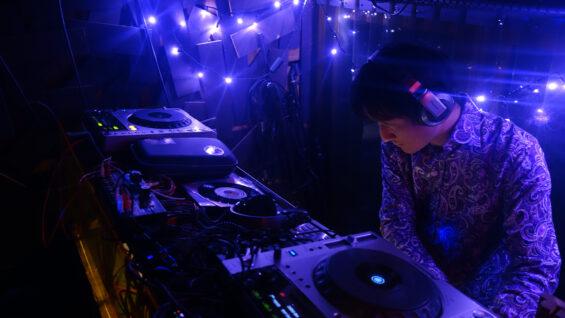
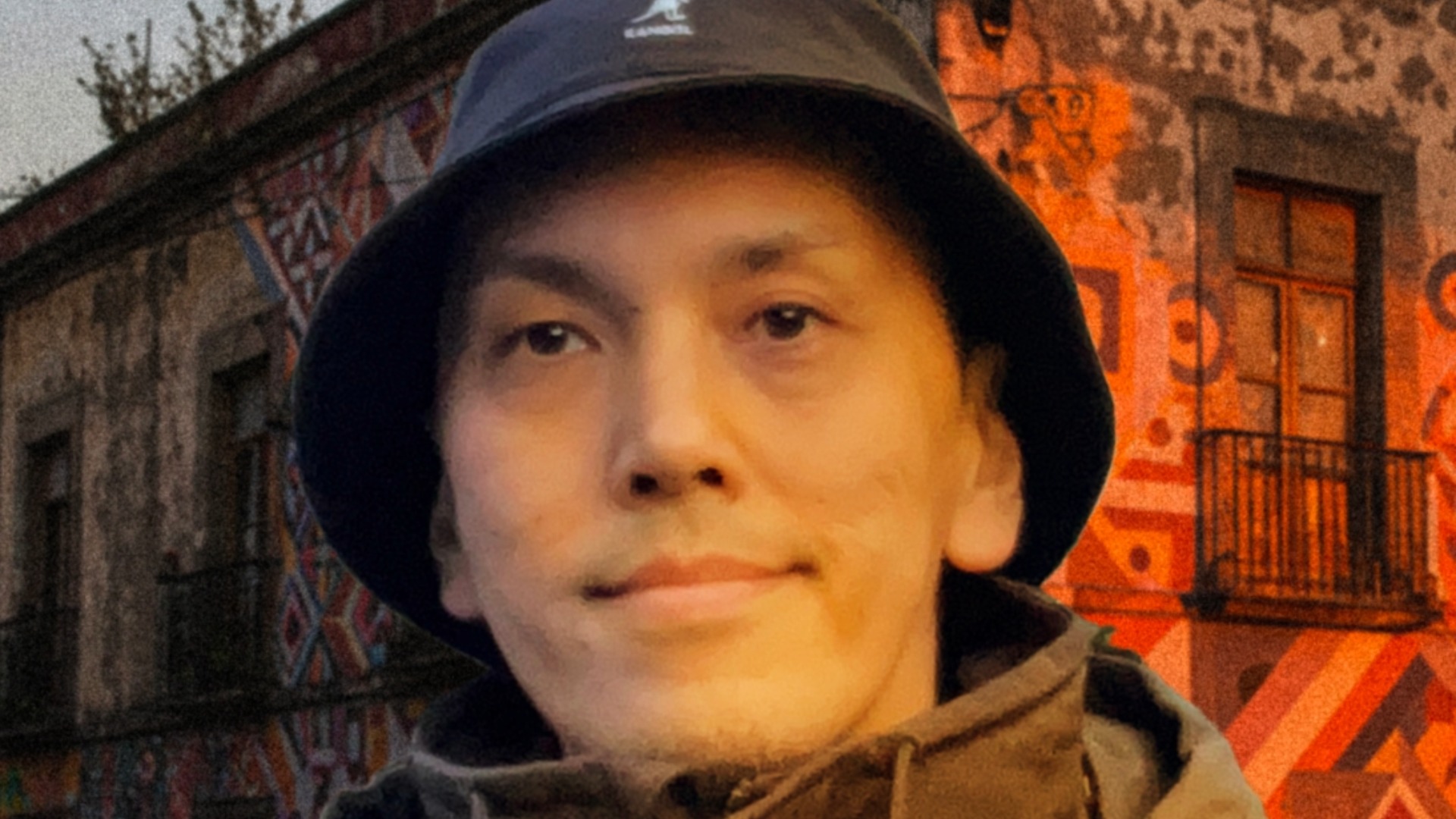
Known for the parties CRAZY BANANA and Eeeek!?, which he organizes at various venues across Tokyo, DJ AG is one of the most active figures in the city’s underground club scene. In his sets, you might encounter both intriguing records from around the world and leftfield bass productions that seep into your bloodstream without dramatically raising the intensity.
“I believe the current challenge is how much we can understand that while bringing people from different scenes together to create one party.”
How did you first get into DJing and DJ culture? How long has music played a significant role in your life?
I grew up recording anime theme songs from TV onto cassette tapes and listening to them on repeat. By middle school, I was exposed to indie rock, but being a so-called otaku, I preferred listening to anime and game soundtracks. When I visited Turkey as a teenager, I was deeply drawn to pop music with a strong oriental vibe, like Oya & Bora and MFÖ, which was hard to find in Japan. My first exposure to club music was Eurobeat playing in an electronics store, followed by big beat artists like The Chemical Brothers. From there, I started listening to house, techno, dub, and more. Through friends, I began DJing and somehow ended up developing an interest in world music too, leading me to where I am now.
Even in my everyday, casual life, some kind of music is often playing in my head. I feel a significant portion of my life’s time is spent with music.
You delivered a smooth yet unsettling and adventurous set at the 2024 İYİ party held at Forest Limit. Do you meticulously plan your sets in advance, or do you prefer to go with the flow?
I usually plan the basic structure of a set in advance, then improvise changes to it on the day based on how I feel and the atmosphere around me. As a result, it often ends up very different from what I originally envisioned. I remember playing quite a few tracks that day that weren’t part of my planned set.
How much do your DJ sets vary depending on the venue and time? Which style or genre makes you feel the most “in your element”?
When I’m scheduled for time slots where the organizer wants to build energy, I try to play tracks that are as uplifting and punchy as possible. But I also think what really suits me is playing something like a lounge set—mid-tempo tracks you can sway to gently while listening. That said, I feel like my set at Forest Limit last November wasn’t really a lounge-oriented set, nor was it a set specifically aimed at getting the floor going. I still haven’t quite pinpointed a style I can describe in a single word.
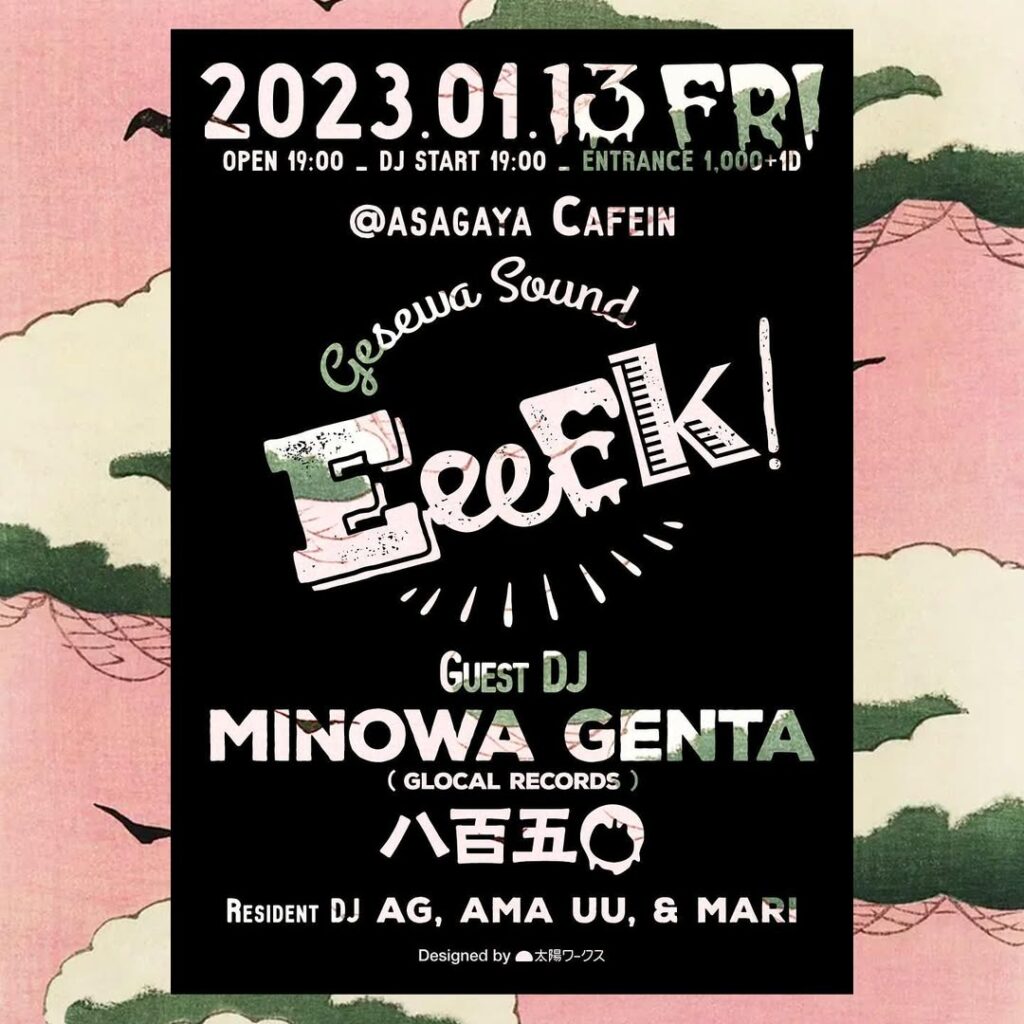
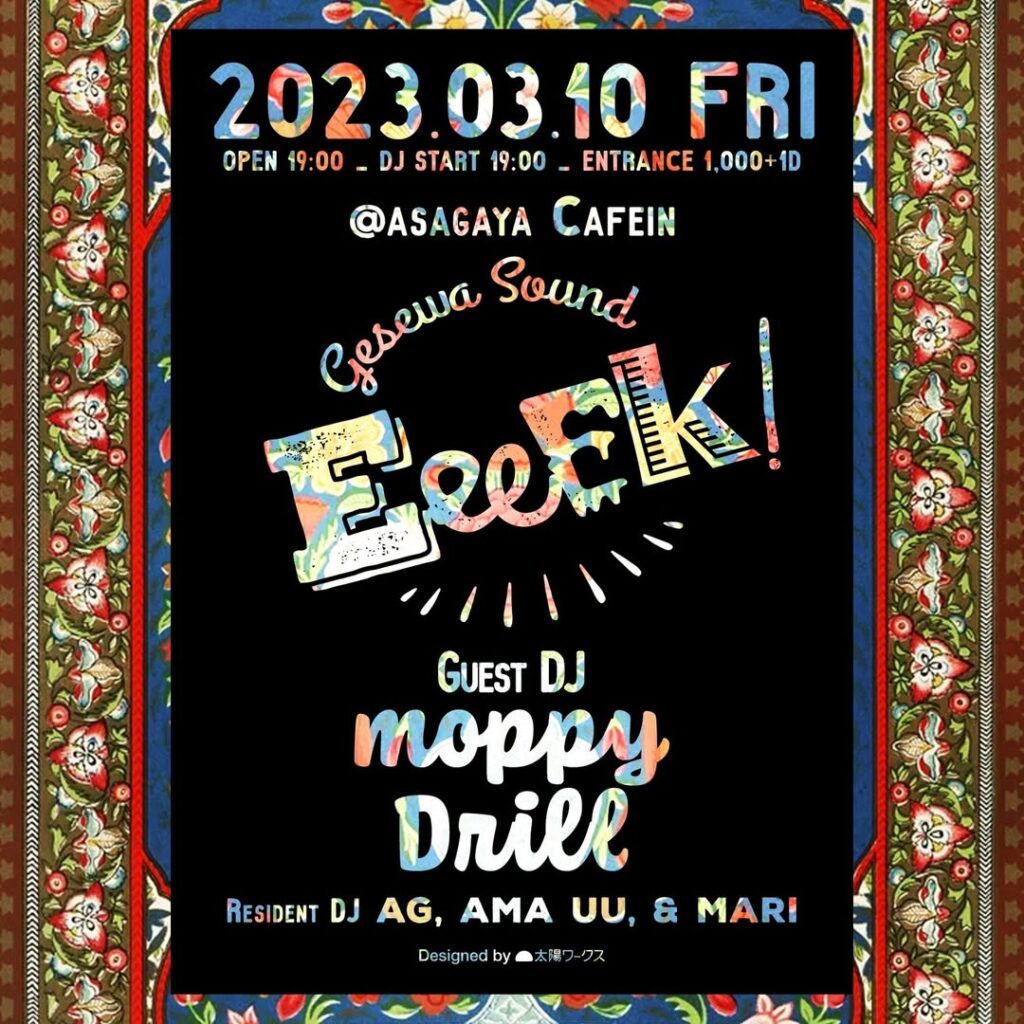
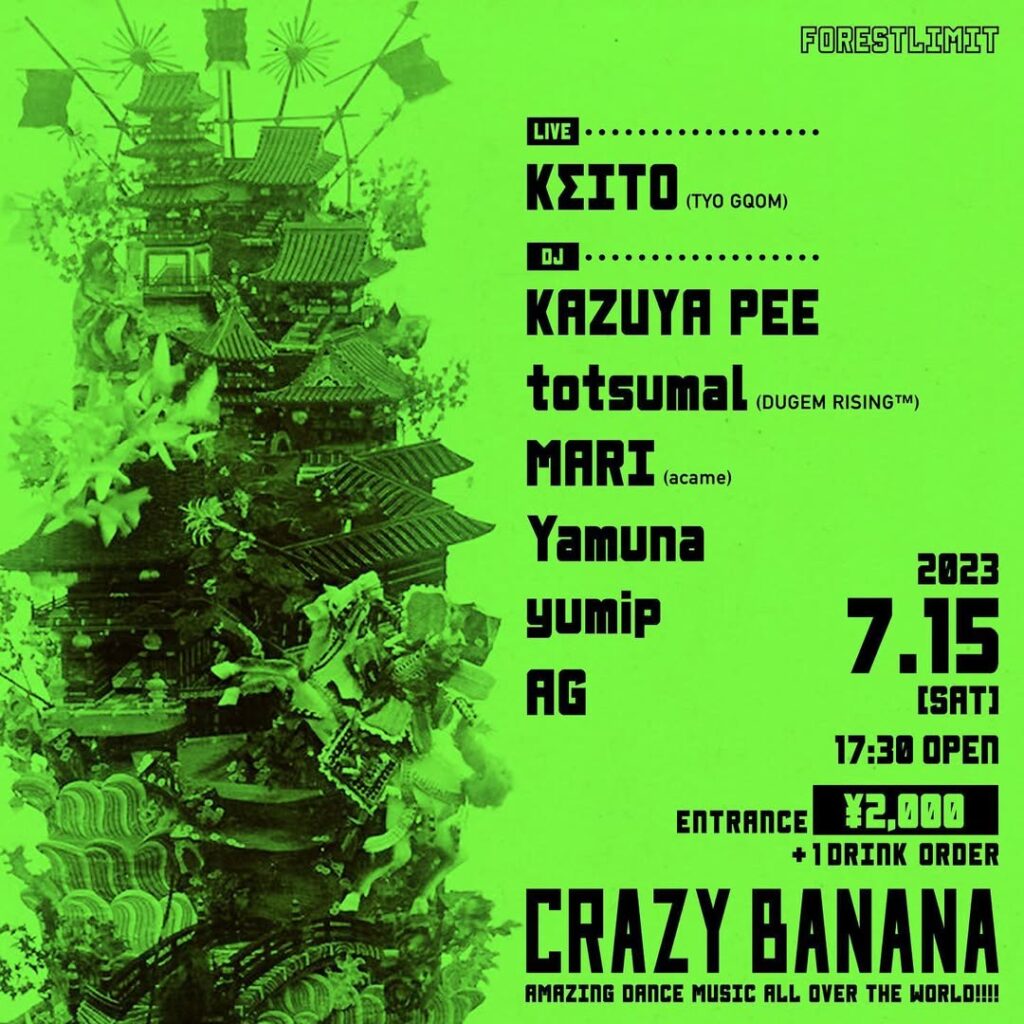
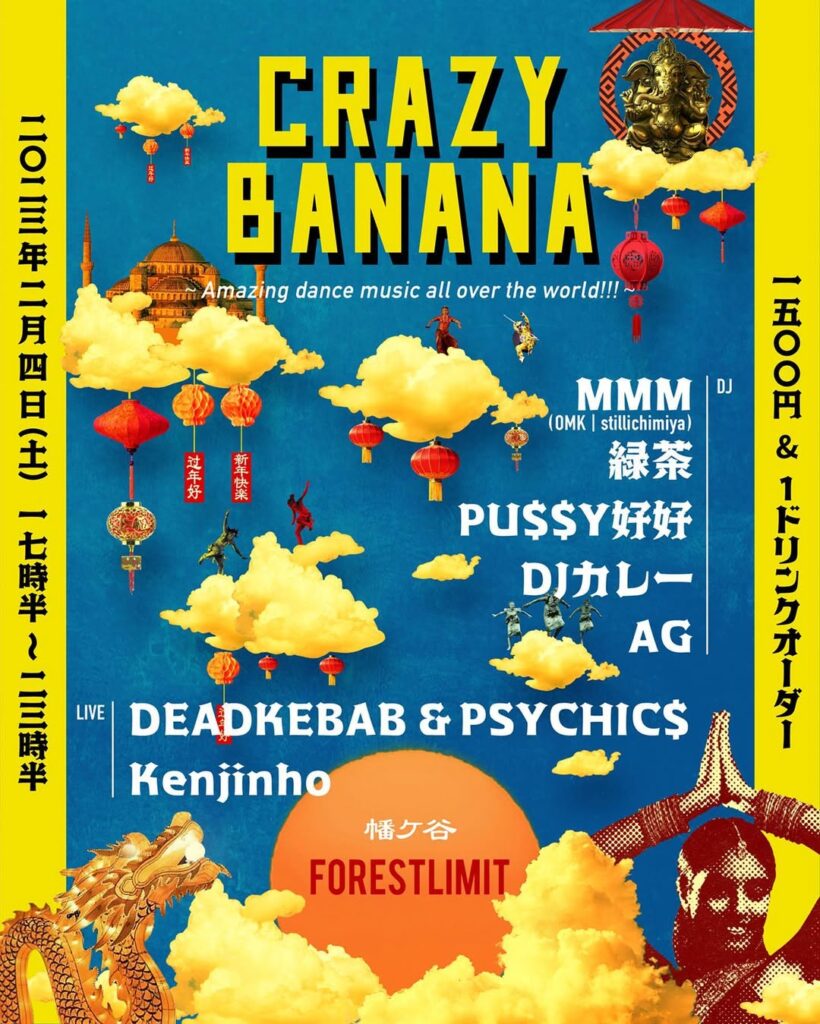
Can you tell us a bit about your event series, named CRAZY BANANA and Eeeek!? What was the motivation behind it? How is it evolving?
Eeeek! was originally a party run by DJs I met through CRAZY BANANA, a world music party I used to organize. They invited me to join, and I became a regular DJ partway through. It’s a party centered around tribal music, though hip hop and house also get played (currently on hiatus).
As for CRAZY BANANA, the owner of Forest Limit, where it was held, was an old acquaintance. When he asked me to help organize a party, world music was what interested me most at the time, so that became the foundation for starting it.
As a DJ who also organizes and curates events, what are your observations on Tokyo’s club culture and the communication between DJs?
I feel it varies greatly depending on the scene.
In the underground scene, compared to large-scale parties, I think relationships between DJs often break down fatally due to conflicting values. I believe the current challenge is how much we can understand that while bringing people from different scenes together to create one party.
How would you describe Tokyo’s music scene in terms of community dynamics and openness?
Having lived in Tokyo for a long time, I don’t really notice differences compared to other regions. But I think a good thing is that because the absolute number of communities is so large, if a problem arises, you don’t necessarily have to stay stuck within one group forever. In underground scenes, clashes over differing values seem more common. In that sense, I feel Tokyo’s overall scene has a somewhat relaxed vibe.
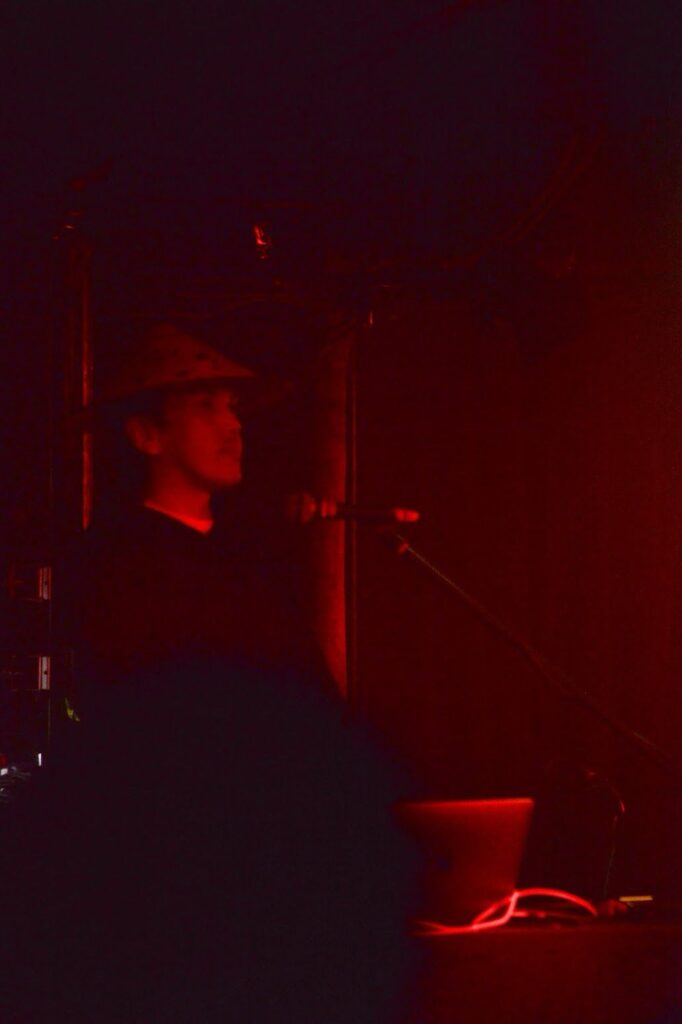
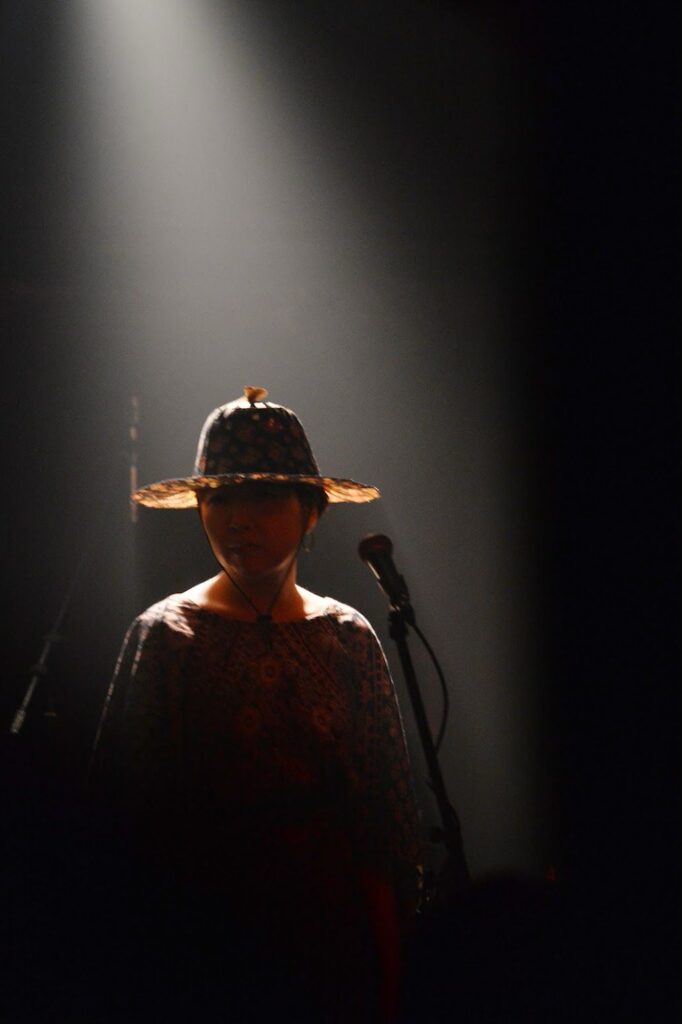
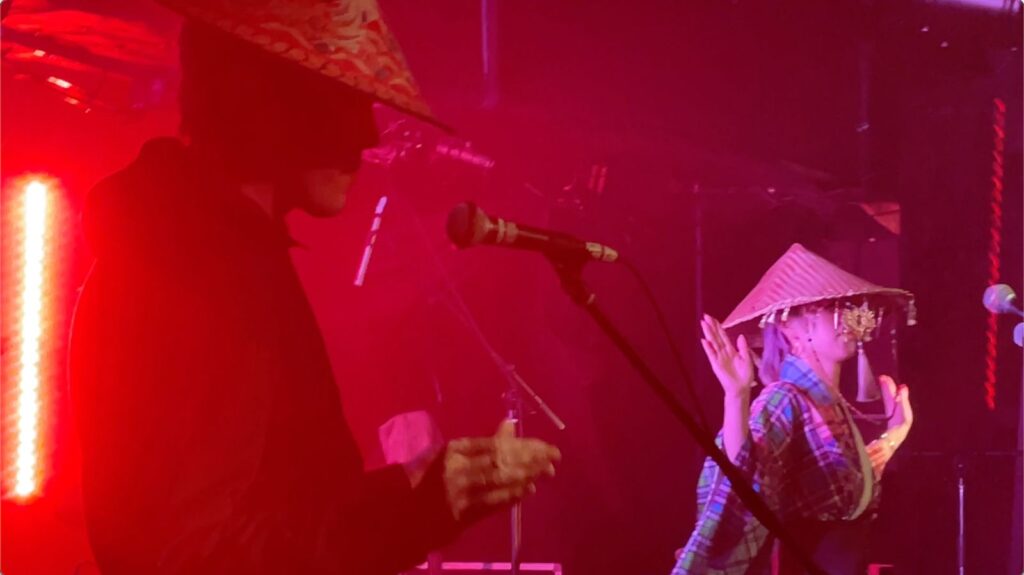
Besides your DJ sets and events, you organize you also do music under the name Ari Ant. the project is an electronic approach to traditional sounds and you make collaborations with Japanese singers. How did this project first take shape, and how has it evolved over time? How does it sit within your broader musical practice today?
Originally, I was active in a band and continued to produce music, but as I was exposed to a wide range of genres, from club music to rock. I began to wonder if I could reconstruct more indigenous and physical rhythms, such as those found in Japanese folk songs and festival music, into contemporary music. Guided by this idea, I continued to create through a process of trial and error. The result was my debut album, Daiji Nai Mirai released in 2023, which is listed below.
What are your favorite record stores in Tokyo?
I usually buy DJ tracks as digital downloads on platforms like Bandcamp, so I don’t often have the chance to buy vinyl, but one record shop that really stands out to me for its selection and unique perspective is Pianola Records.
Recommended music venues in TOKYO, by DJ AG
Forest Limit, space (Shinjuku), and WWW (Shibuya) are the places that come to mind right away.
A recommended day trip outside of TOKYO by DJ AG
I don’t drive very often, but if I had to pick a time, it would probably be when I drive around various spots in Okinawa. When I drive down streets lined with traditional Okinawan houses, I feel like I’ve truly arrived in Okinawa.