

In pursuit of Tokyo’s lost grooves: DJ NOTOYA
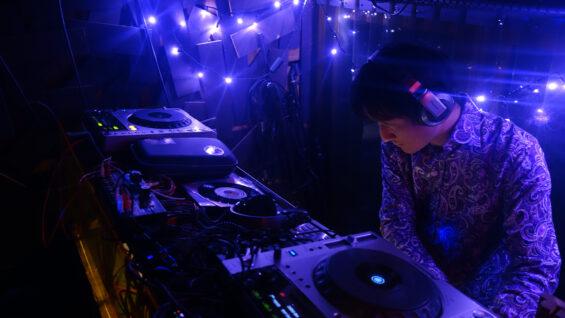
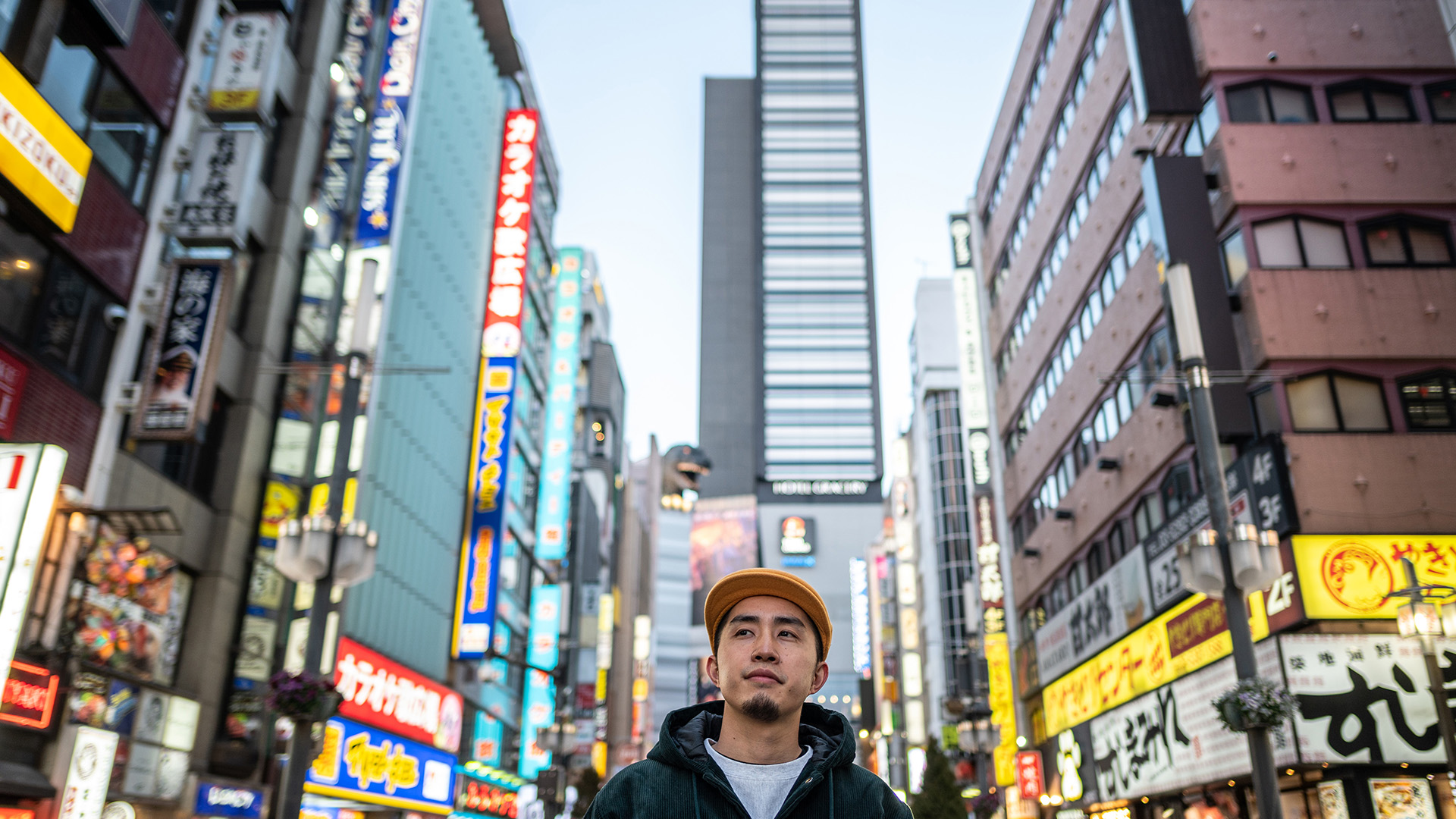
DJ Notoya is one of Japan’s most mind-expanding musical archaeologists of recent years. Going beyond simply selecting good music and sonic harmony, he creates compilations that tell compelling stories as well, and he also runs an online record store called Tokyo Condition.
Tune in:
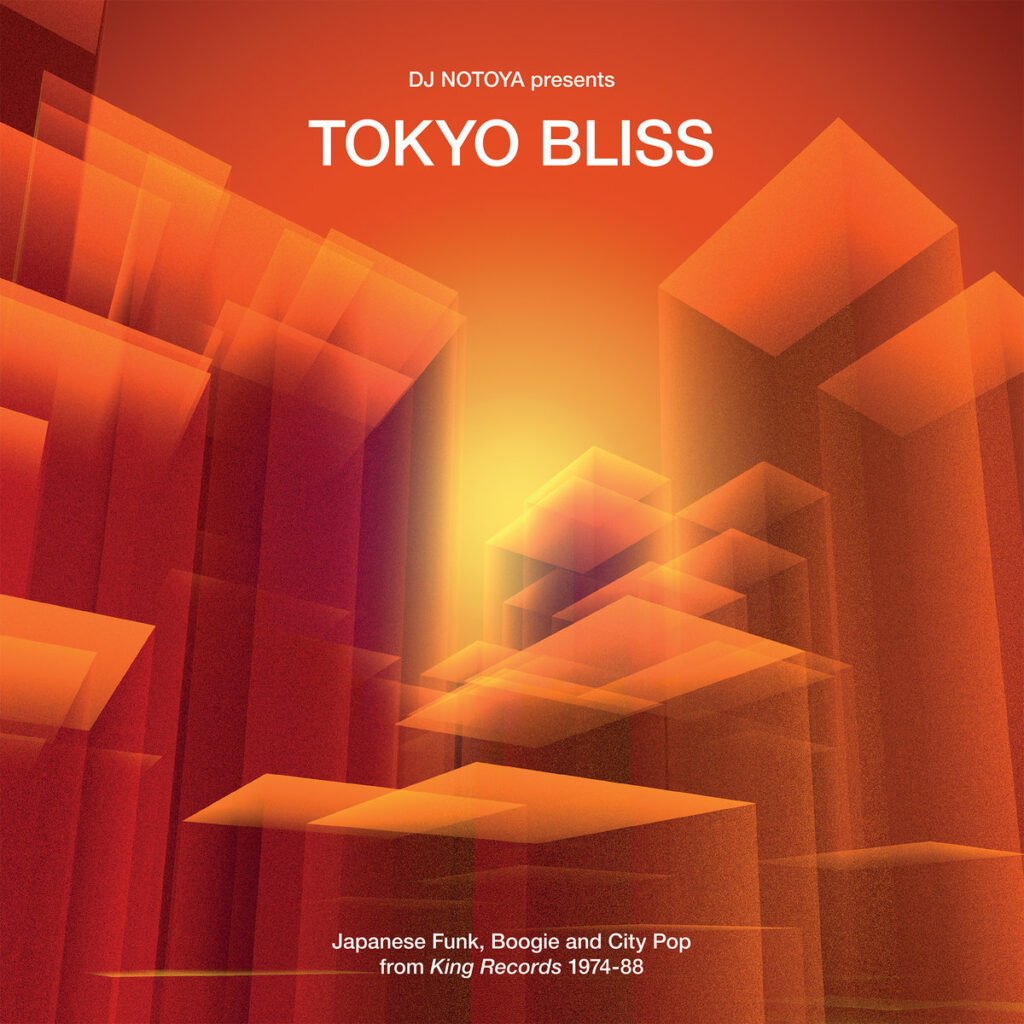
In recent years, DJ Notoya has received praise for compilations such as Funk Tide and Tokyo Glow. At the beginning of 2025, he released the album Tokyo Bliss – Japanese Funk, Boogie & City Pop from King Records on the Wewantsounds label. This time, he fixes the time machine’s starting point to the mid-1970s and dives deep into the archives of King Records.
“Yōsui Inoue motivated me to dig into old music rather than chasing new music.”
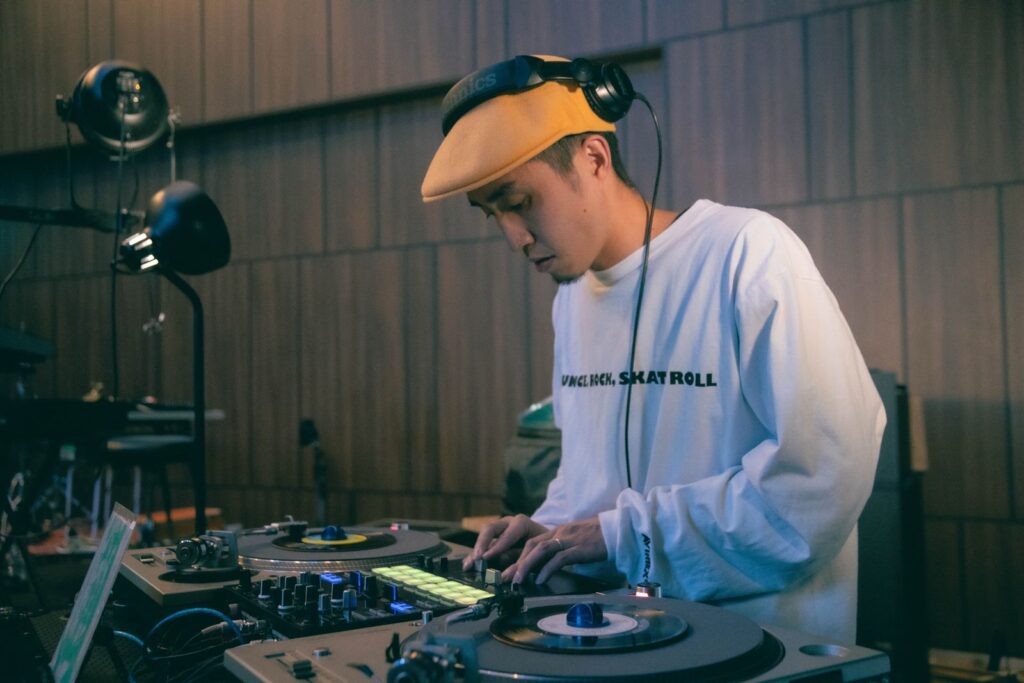
What’s your earliest memory of music? Was there an early record that stayed with you and helped shape your musical taste?
My parents had lots of 1970s Japanese popular music CDs, and I remember growing up listening to them in the 1990s and early 2000s. One of my favourite musicians in childhood was Yōsui Inoue, a very unique singer-songwriter with various musical styles such as folk, funk, jazz, new wave, etc. and his music sounded like no other current artists back then. Looking back, he motivated me to dig into old music rather than chasing new music.
To what do you attribute to the popularity of City Pop music around the world? Do you follow any current bands inspired by the genre and making similar music? If so, could you share some of your favourites?
Japanese music back then copied a lot of American pop, rock, and soul music, so it sounds somehow familiar and nostalgic to many listeners. At the same time, being sung in Japanese gives it some sort of exotic feeling, I guess.
There are a lot of contemporary Japanese artists who have funk / soul vibes. Mime, Lagheads, G.RINA, Yuga, and Satoko Shibata, to name a few of my favorites.
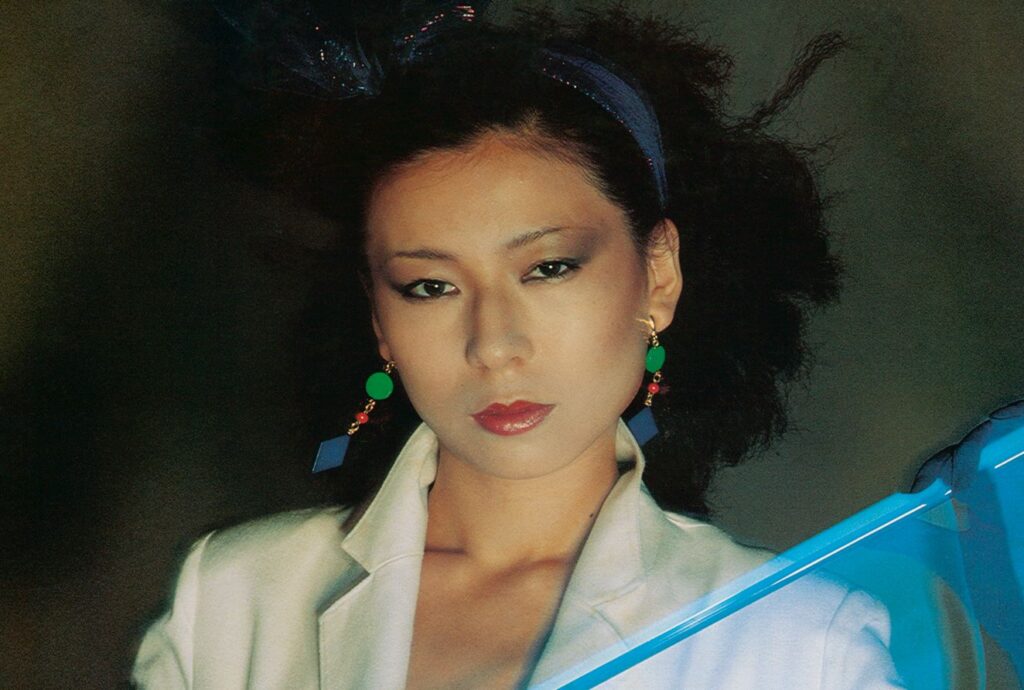
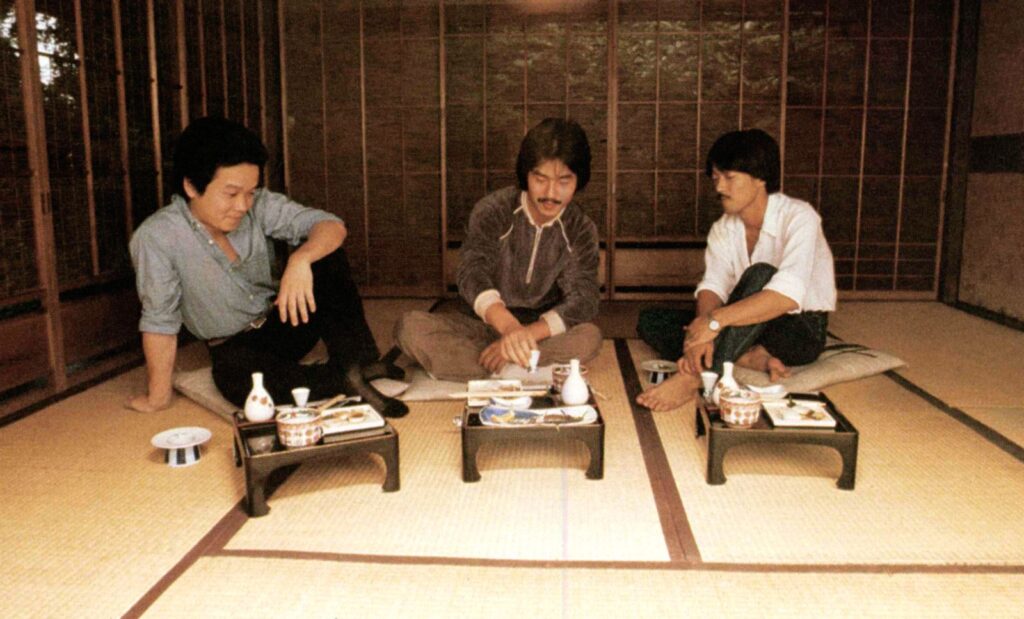
Can you take us through the creation span of your compilation, Tokyo Bliss? What does King Records’ influence mean for Japan’s musical legacy?
I have been in touch with some good people in King Records for a couple of years, and kept telling them that they needed to put out their 1970s-1980s catalogue on streaming services because there are so many forgotten gems that should be heard by more audiences. Gladly, their hard work for those right clearances started paying off and many of their titles are available now, and I selected some of my favorite cuts out of them.
You also have an online record store called Tokyo Condition. How does your selection or approach differ from other record stores in the city?
Most of the stuff I curate in my shop are lesser-known, yet hard-to-find records that haven’t got to come under the spotlight. I list them with short audio clips to let the customers get a glimpse. It’s online only and I don’t have a storefront, which enables me to take time for each item.
DJ NOTOYA’s favorite spots in TOKYO that no longer exist
What I miss the most is definitely Time, a secondhand record store that was in Takadanobaba, which was closed in 2016. They had well-organized, clean, and reasonably-priced selections and I used to go there weekly in my college days. They even had tons of 100 yen records in front of the store, and you would be able to find all the good stuff like Tatsuro Yamashita, Junko Ohashi, Anli, you name it… After I moved to the western area of Tokyo in 2012, I couldn’t go there as much as I used to. I’m not sure why they had to close down the store, but I still regret not shopping there more often.
TEENAGE KICKS: DJ NOTOYA’s early influences in JAPAN
I grew up listening to a radio show hosted by Tatsuro Yamashita every Sunday (which he still hosts), and I still play his records often. Looking back, I kinda realized that his music has always been around me.