

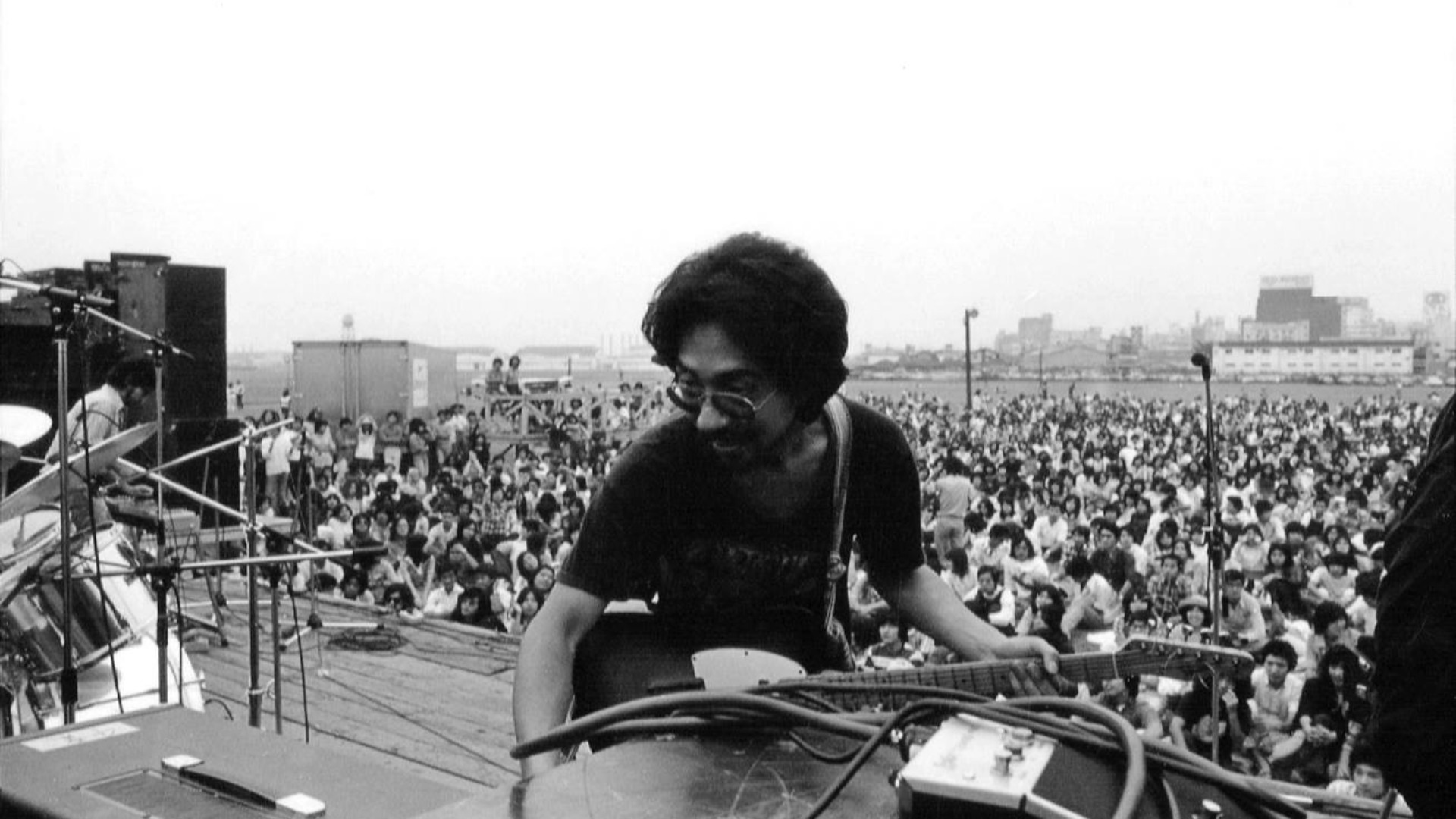
A 50-year journey through sound: MAKOTO KUBOTA
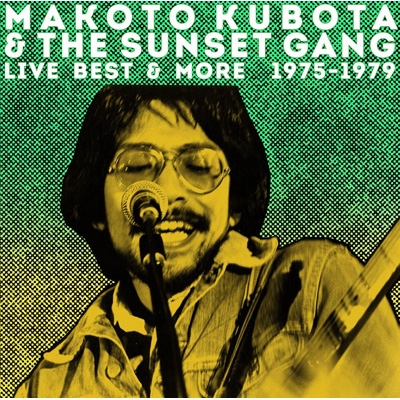
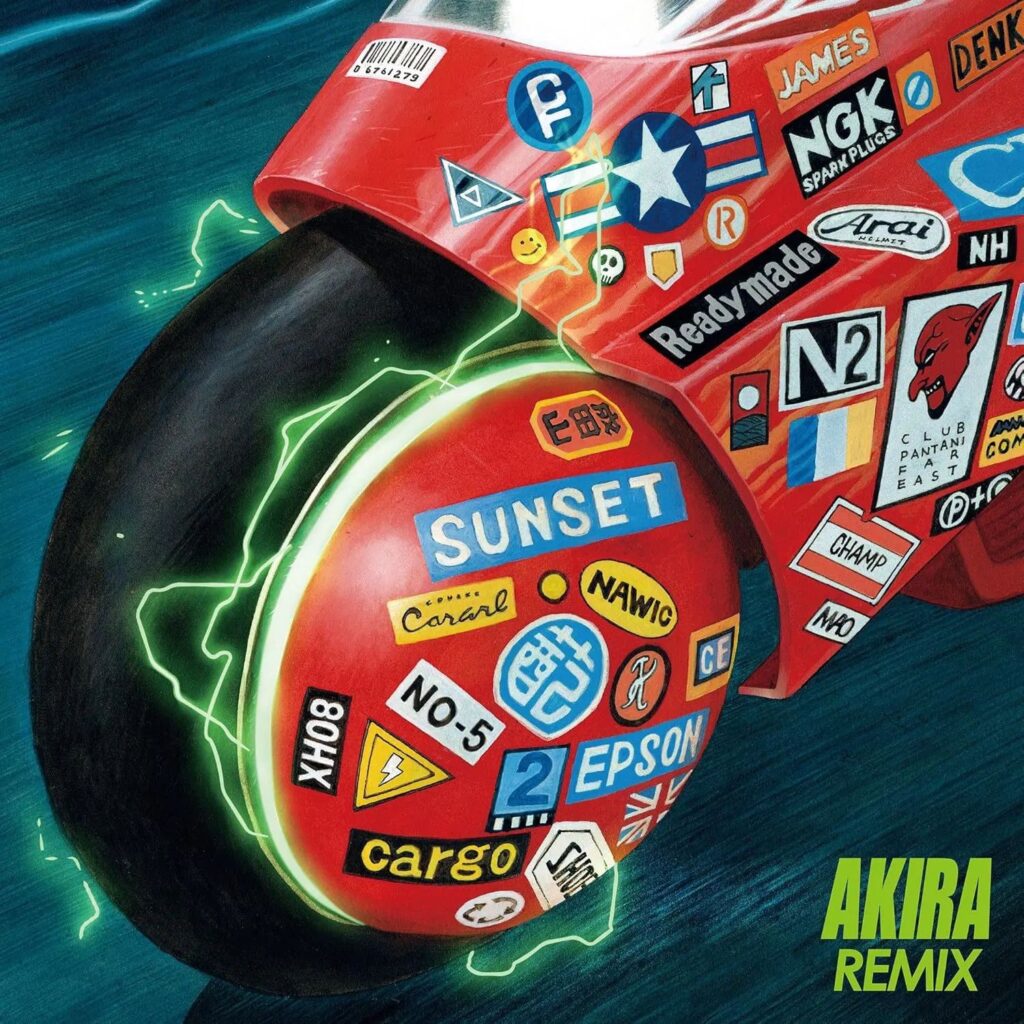
Makoto Kubota is someone who, quite literally, breathes music. Since the early 1970s in Japan, he has worked with countless bands and musicians, and continues to do so. Musician, composer, producer, manager, explorer, researcher, he wears many hats. Recordings from his earliest band Les Rallizes Dénudés, as well as his legendary project Sunset Gang (and its offshoots Sunsetz and Sun Splash), have recently been reissued through the Paris-based label Wewantsounds, complete with remastering done by Kubota himself. A newly remastered version of the soundtrack for the iconic anime Akira, also handled by Kubota, has been released as well.
We speak with Kubota in Tokyo about what it feels like to revisit the Rallizes and Sunset Gang years. Along the way, he shared fascinating memories like recording sessions in Jamaica, his friendship with Haruomi Hosono, a track he wrote for a PlayStation game with Debbie Harry, his Sketches of Myakh project documenting sacred songs sung by elderly women on Miyako Island, the stories behind Sunset Gang’s striking album covers, and much more.
Tune in
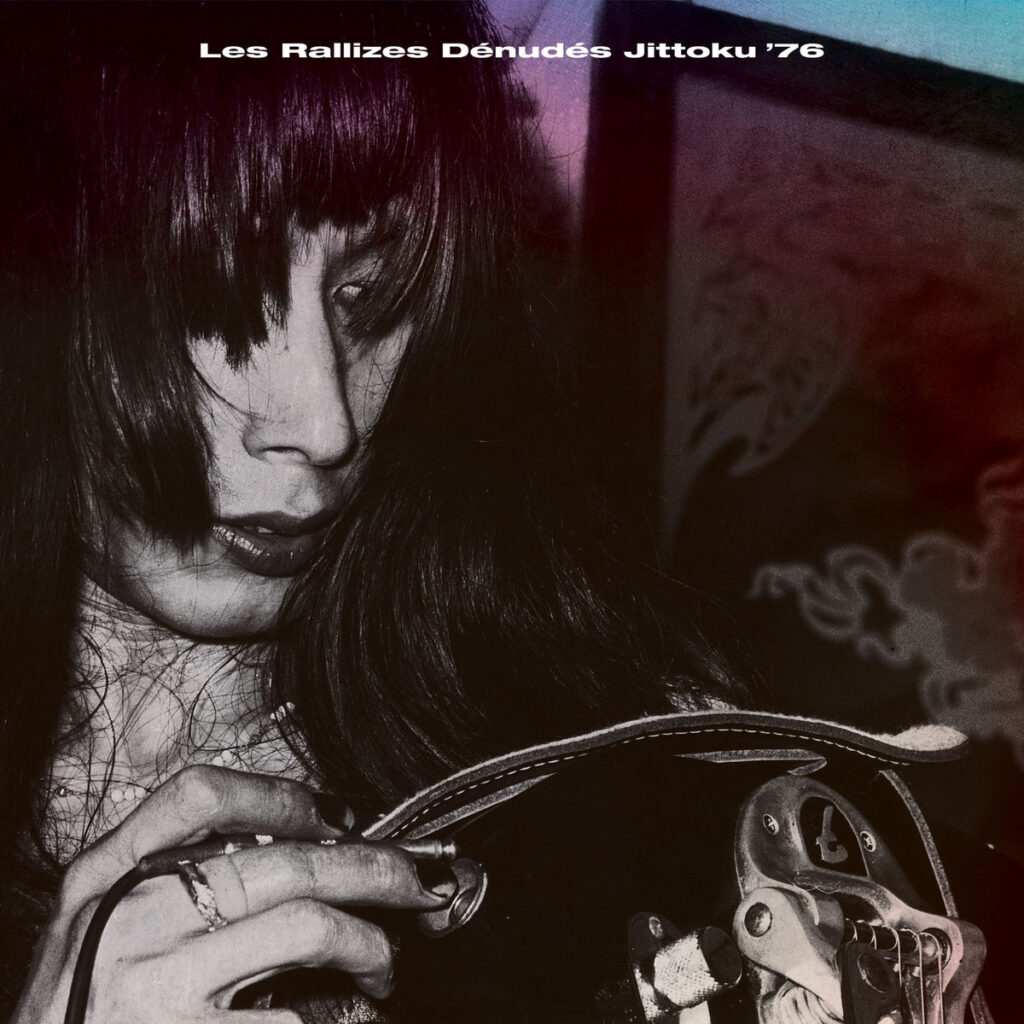
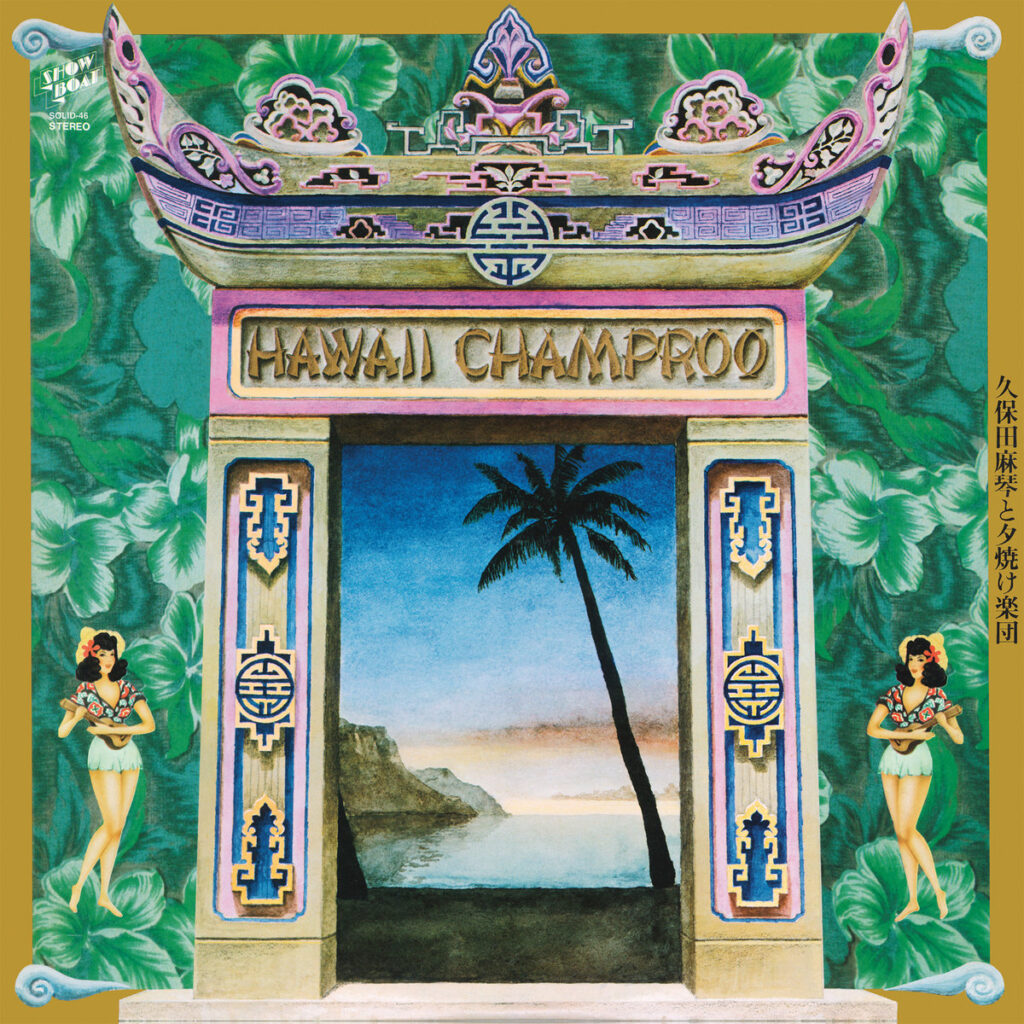
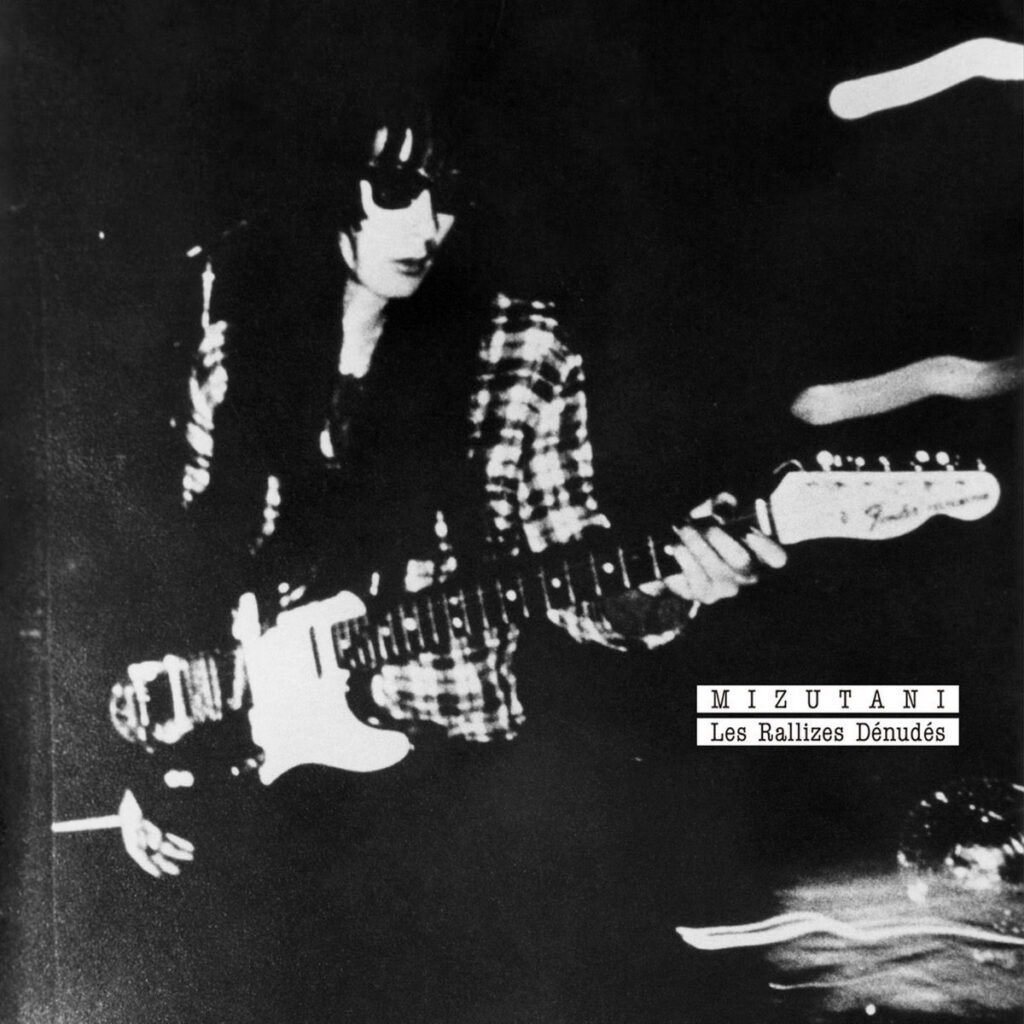
Although the many milestones and turning points throughout Makoto Kubota’s long career make the question “where should we start?” a difficult one to answer, let’s blindly pick two albums. One is a 1976 live recording by Les Rallizes Dénudés, one of the most mysterious and cult bands in Japanese music history, founded in 1967 under Mizutani’s leadership. Lately, Makoto has been busy bringing old and lost recordings by his former band — where he once played bass — back to life. The other is Hawaii Champroo, the Okinawa-infused album by Sunset Gang, who made a revolutionary entrance into the Japanese rock scene in the ’70s.
Makoto Kubota is a musician in constant motion — endlessly active with countless remixes, mastering works, and field recordings produced from behind the desk. To get lost in Kubota’s vast body of work, take a trip through his website.
“I’ve always been interested in the technical side. My real passion is in the studio-working with the sound itself. Even before Rallizes, I was experimenting in my small Kyoto apartment with two Sony mono reel-to-reel recorders, doing overdubs and creating my own methods.”
How are you? Is everything okay in Tokyo?
I’m good, very busy. I need 48 hours in a day. Over the past few years, everything slowed down because of the pandemic, especially the live music scene. But let’s not talk about that—it’s boring. I haven’t had any health issues. Aside from that, the last two years have been quite intense for me with remastering work and various other projects.
For example, there are Rallizes recordings from the 1970s. The Oz Days Live album, recorded at a hippie venue called Oz, is being reissued. Takashi Mizutani, the central figure of the band, called me two years ago and we started planning new things together. Unfortunately, he passed away. Six months later, his family contacted me—probably after reading our messages—and we began working on what to do next. The first step was to get control over the insane ocean of bootlegs. Mizutani didn’t like them, but they undeniably made the band famous.
Bootlegs do tend to play that role sometimes…
Probably someone from Japan sold the recordings to someone in Europe, and from there they were endlessly copied. Many different versions emerged. Some were good, but most were terrible—Mizutani hated them. One reason for this was that he never officially licensed any of the songs. That’s another issue. I co-wrote most of those songs with him. One of them, “Asa No Hikari”, which we also recorded for my solo album Machibouke (1973), later appeared in Europe under the French title L’aube. I never received any royalties from it. It was the only song Mizutani ever licensed. He wrote the vocals, I composed the music. Now these issues are finally being resolved. I advised his family to set up a company to manage the rights. They need to protect what he left behind. It had become an endless problem. Europe can be quite ruthless in that sense.
That’s something many artists from Turkey, from the 1960s and 1970s also experience…
Exactly. Their albums get reissued without permission or payment. It helps their names circulate, but they earn nothing from it.
How did the reissue process for Sunset Gang begin?
Sunset Gang was 40–45 years ago. I remember mixing at my home studio or in Jamaica. I think the mix I did about 30 years ago actually sounds better than the original. The original was good—we did our best—but back in the 1970s we had no idea what mastering was. You’d finish a mix in the studio and that was it. Then you’d take the tapes to be cut for vinyl. It was a paranoid place, I didn’t like it. They were obsessed with levels and simply lowered them to fit the format. Without proper compression or EQ, the music sounded weak and unstable. But with proper mastering and EQ, the result is much better. I’m not sure about the history in the US, but they probably figured it out earlier. Seeing credits like “Mastered by Bob Ludwig” started becoming common in the 1970s. There were many people shaping the sound of rock behind the scenes, even if their names weren’t widely known. We didn’t fully understand this until the mid-1980s.
I’ve always been interested in the technical side. I played in bands and performed live, but my real passion is the studio—working with sound itself. Even before Rallizes, I was experimenting in my small Kyoto apartment with two Sony mono reel-to-reel recorders, doing overdubs and creating my own methods. That’s my true self. Live performance came later. At some point I realized, “Concerts are nice, touring can be fun, but I miss the studio”. Around 1990, I became a full-time studio person and started managing artists as well. There were many talents coming from Indonesia and Singapore. It was good timing for me. I don’t miss playing live at all.
So you never really loved performing live?
I enjoyed it, but rehearsals, touring, interviews… Imagine doing this ten times. Travel and preparation require a lot of effort. And then you’re dealing with five people in a band, and always moving.
Did Sunset Gang perform outside Japan?
Sunset Gang only played locally. But as Sunsetz, we toured Europe and Australia extensively. We also played in Jamaica at Sun Splash, did a small US tour, and spent months touring Australia, opening for INXS and playing festivals with bands like Midnight Oil, Split Enz, and The Pretenders. We also played with Eurythmics. About a year later, we were invited to play the Bumbershoot Festival in Seattle. That led to another US tour. Eurythmics were touring nonstop at the time—two years straight during “Sweet Dreams”. It’s a tough life. One show we played with them had a 20,000-seat venue, my favorite concert ever! The sound system was incredible. American electricity is clean; no noise, no feedback. The technicians were highly professional. Playing to 50,000 people in the dark in Jamaica Sunsplash Festival was a completely different experience. And audiences are honest. If they don’t like it, they’ll boo.
“For Western listeners, it might also be tied to certain visual imaginations—something like Ghibli aesthetics. It gives them a sense of how we lived, how we felt. […] Sounds of the city, light funk rhythms, and a certain mysterious atmosphere—maybe that creates a sweet feeling for them.”
How did they like you?
We got lucky. We had a hit. We performed with a Japanese rapper in a ragamuffin style, and the crowd loved it. When we started rapping in Japanese, they went crazy. The next day, we were in the newspapers.
There are so many great memories, but your focus has always been the studio…
Yes. But from time to time, I feel the urge to revisit things. Like the conversations I had with Mizutani about bringing Rallizes back. I’m not sure how healthy he was at the time, but his voice on the phone sounded strong. He didn’t sound like a sick person. I thought maybe the time had finally come. I even suggested doing a few shows in the US. There are people there, and in Japan, who have been waiting since the 2000s. The band had stopped playing in the mid-1990s, the last major show was in 1996. Somehow, thanks to European bootlegs, the band gained a new global recognition. Radio stations started playing us.
Why do you think there is renewed interest in Sunset Gang and Rallizes today?
I’m not entirely sure. Maybe I simply forgot about it over time. I hadn’t listened to those old recordings for years. Suddenly, I started receiving more feedback, more people reaching out about them. That made me reconsider everything.
There’s this term “city pop”, which has become quite big. It’s somewhat like late 1970s and early 1980s light soul-pop, slightly tipsy in mood, with Toto-like rhythms and high-pitched Japanese vocals—often without proper mastering. But that imperfection gives it character. For Western listeners, it might also be tied to certain visual imaginations—something like Ghibli aesthetics. It gives them a sense of how we lived, how we felt. We are far from Europe and America, and we have our own philosophy, history, and way of life. Sounds of the city, light funk rhythms, and a certain mysterious atmosphere—maybe that creates a sweet feeling for them. I’m just guessing. Then they start digging into Japanese pop culture from the 1970s, and eventually they find us.
And not just pop—there are hippies, punk bands, techno acts like Yellow Magic Orchestra. It’s like opening a new cellar of music. Otherwise, I don’t know how they would have found my hidden Sunset Gang recordings.
We always liked what we were doing. We even opened for Eric Clapton during a Japan tour, and he genuinely liked our performances. Once, David Lindley came backstage and asked, “What is this music? You sound Okinawan, but you’re playing New Orleans-style funk”. From the very beginning, we tried to blend early funk elements with Asian music.
How was Sunset Gang received in Japan at the time?
Our generation was very large. We were born during a period of high birth rates, so there wasn’t as much pressure to become superstars. Selling 20,000–30,000 copies was enough to sustain a career and play concerts across the country. In 1970s Japan, you didn’t have to be a superstar to survive. Today, it’s much harder.
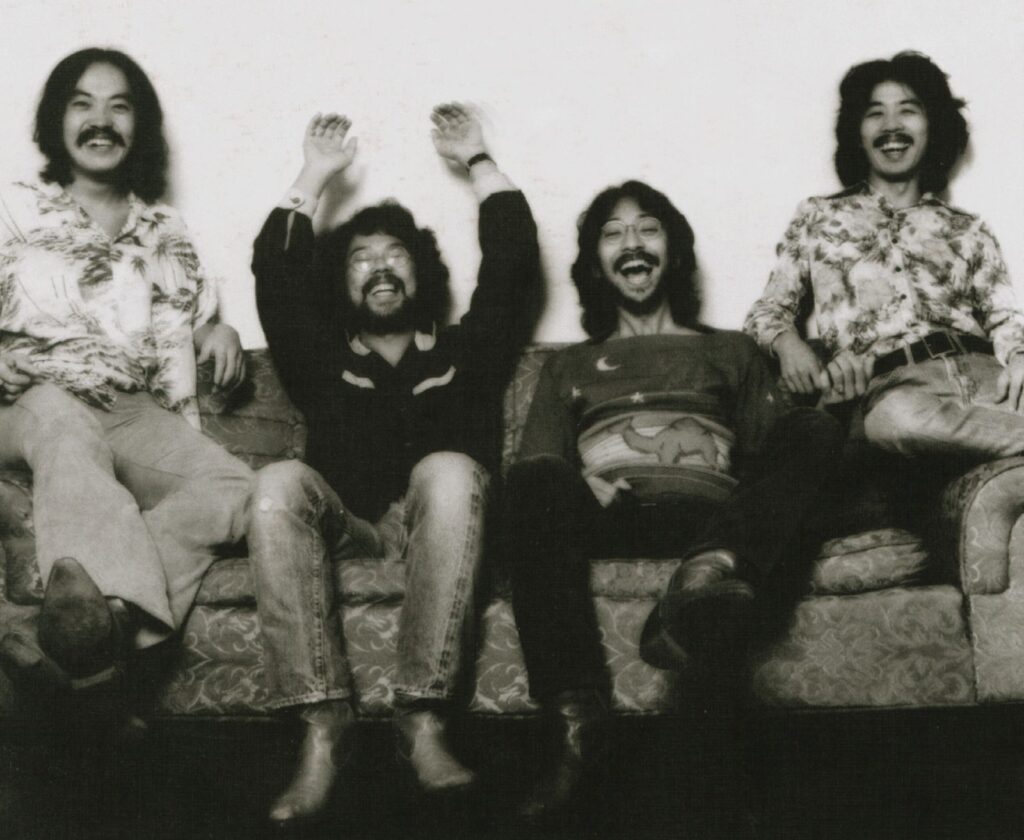
Would you call the 1970s a golden era for rock and psychedelic music in Japan?
I’m not sure. I didn’t really know many people in the scene. I wasn’t very interested in what others were doing. I was close with Toshio Nakanishi of Plastics—we lost him too. Haruomi Hosono has been like a brother to me for many years. Legendary guitarist Fujio Yamaguchi also had a connection with Rallizes for a while. Bands like Murahachibu were legendary but short-lived. Plastics too. Apart from a few favourites, I’m not very familiar with Japanese bands, so I can’t give a clear answer.
What was it like revisiting your music after so many years?
I enjoyed it. I only listen to those recordings once every few years, just to check if they still sound good. But now it feels different—it’s no longer my music, it belongs to the world. People want to hear it, but since only 1,000–2,000 copies were originally pressed, they’ve had to rely on bootlegs. That’s why some CDs sell for $500–800, which is ridiculous. It felt like the right time to reissue them properly. I needed to take care of it. And I had fun doing it.
“Reggae was a turning point. It’s like rock, but with a strong Jamaican accent—it sounds unique. Bob Marley never sounded American or British. I respected that deeply. It made me think: ‘What about us?’”
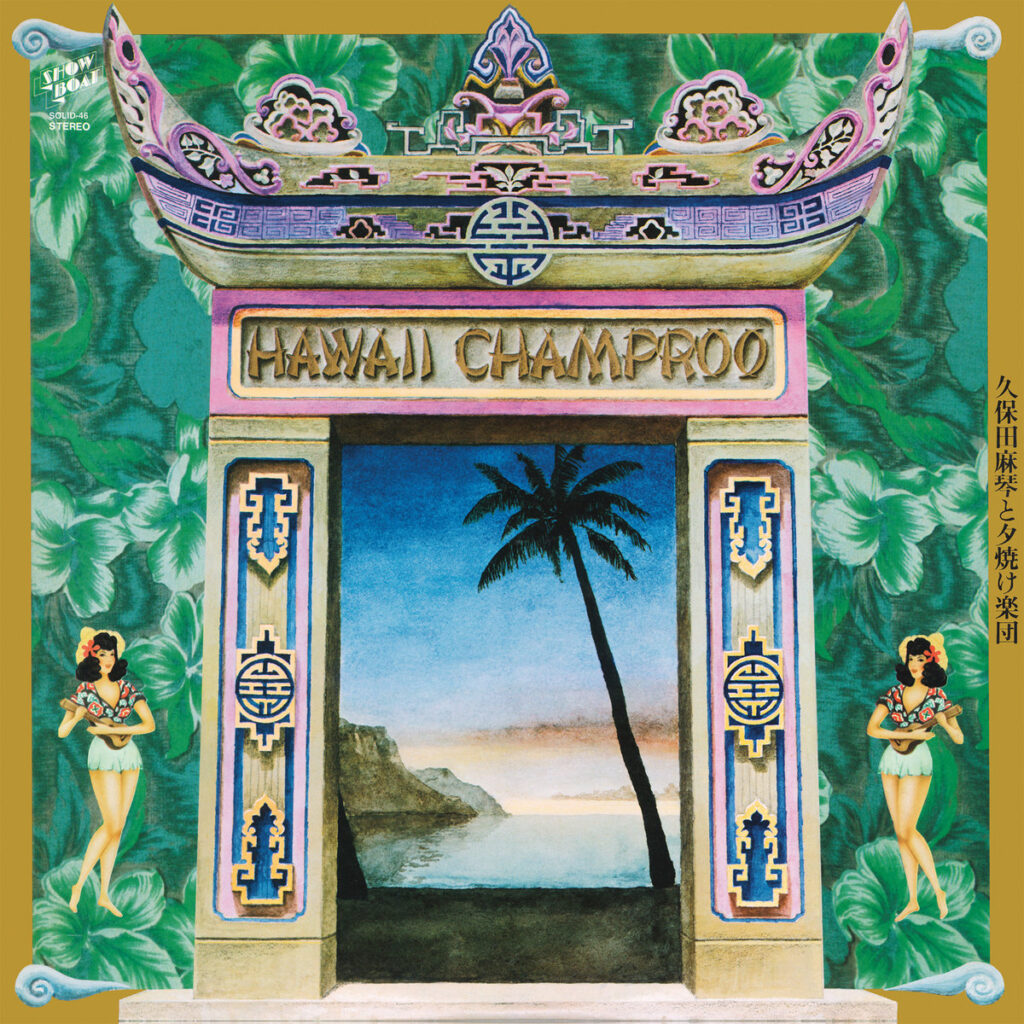
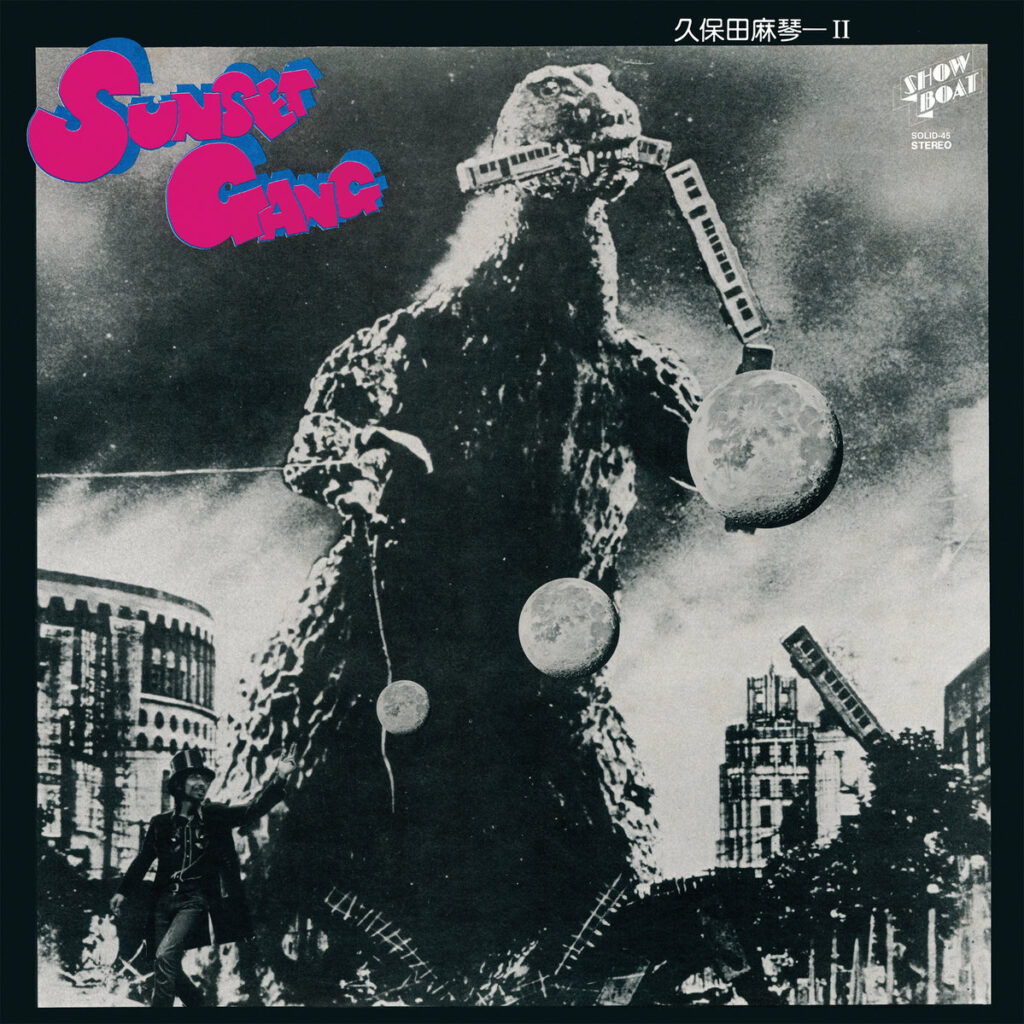
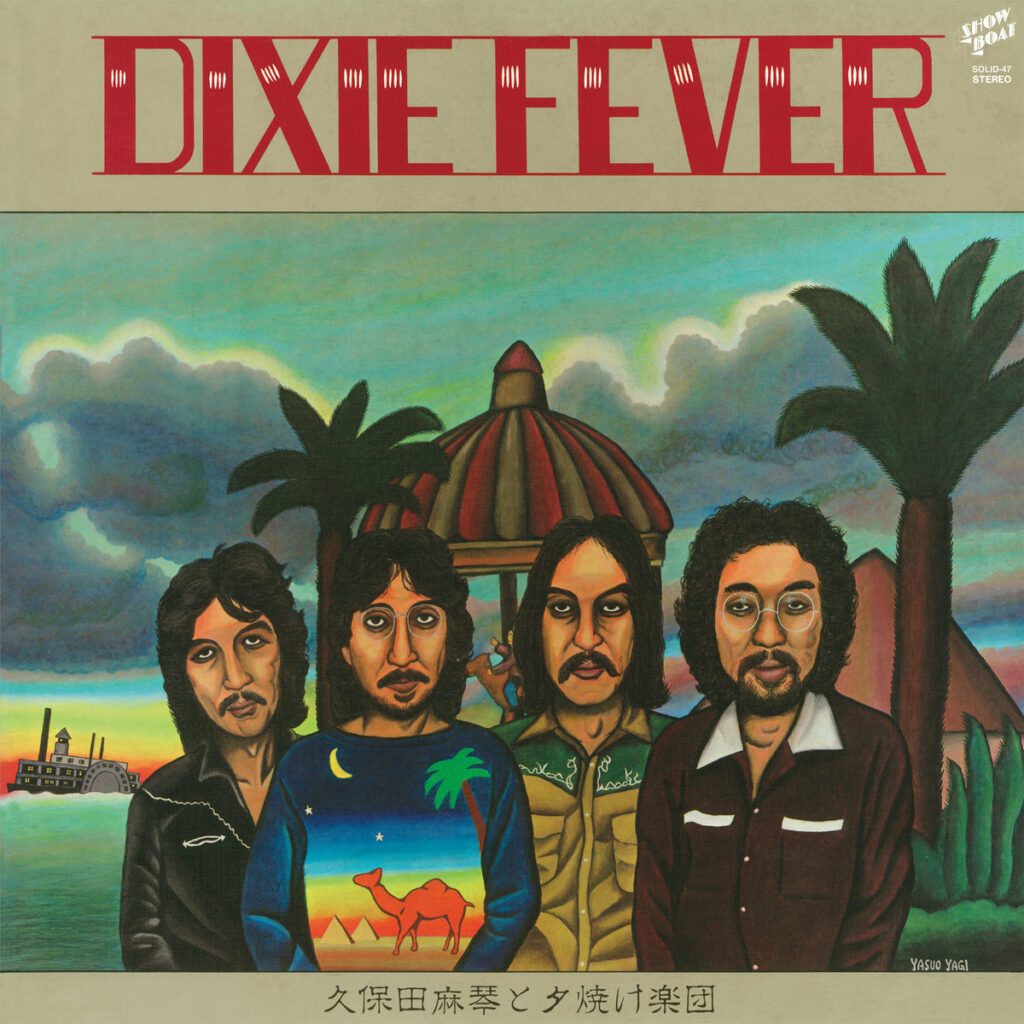
The Sunset Gang album covers are also iconic. What was your approach to album covers like back then?
That was mostly coincidence. I don’t really care much about visuals—I’m not a visual artist. For the first album, with the Godzilla cover, I worked with Shinobu Ishimaru, who had designed for Flower Travellin’ Band and Murahachibu. He was a real hippie. I gave him some ideas, but he ignored them and did whatever he wanted. I didn’t like it much at the time, but people seemed to love it. It was bold, even risky. In the 1970s, it wasn’t an issue, but today you’d get into serious legal trouble using Godzilla imagery. It’s strange we never received any complaints. Maybe it has something to do with my family’s background in cinema. My grandfather opened one of the first movie theaters in our area nearly 100 years ago. By the time I was born, my family owned several cinemas. The company that owns Godzilla, Toho, was part of that same industry network. Maybe that played a role.
The second album cover was my idea—very simple. In the end, we were lucky to have three very distinct and memorable covers.
You’re also deeply connected to local folk music. I know folk music has been influential for your other projects as well…
My grandmother was a professional shamisen player—a geisha. I didn’t care much about that music at the time, but it’s been in my blood. When I started paying attention to Okinawan and other regional music, I realized how much I enjoyed it.
For a long time, I rejected Japanese influences because I was obsessed with Black American music. Reggae was a turning point. It’s like rock, but with a strong Jamaican accent—it sounds unique. Bob Marley never sounded American or British. I respected that deeply. It made me think: “What about us?”
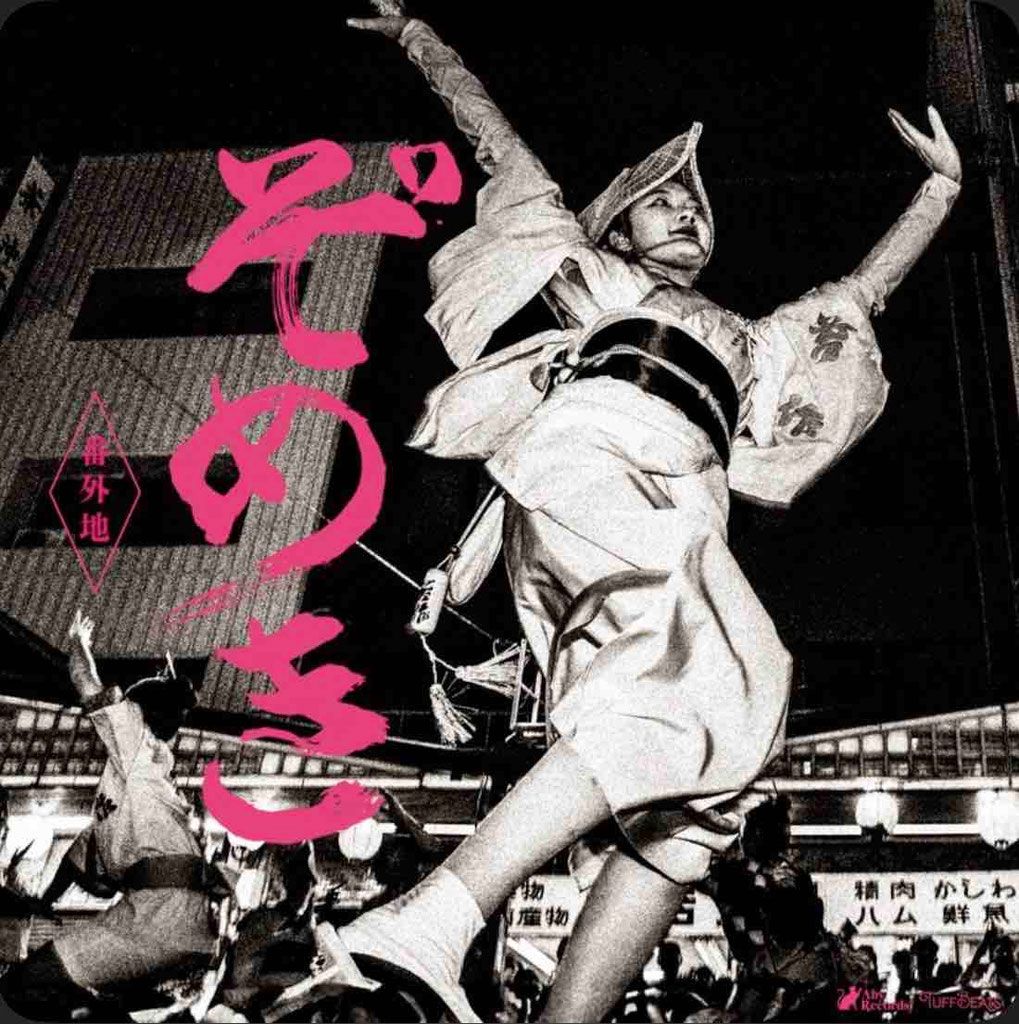
For our generation, the 1970s was a time to find our own modern music. I’m lucky that when I went to Okinawa, I heard a song called “Haisai Ojisan”. It was a legend in Okinawa, one of the biggest local hits of its time, but it was unknown in Japan. Back then, Okinawa was under US occupation, and you needed a passport to enter. I went to an island there just as that period ended, and I heard the song playing on a bus. I stood up from my seat and asked the driver, “What is this music?” It was traditional music but with bass and drums—what was this! He said it was just some local song, but it certainly wasn’t. It was like a blend that brought together many different stimuli. Trying to keep the melody in my head, I returned to Naha, the big city, and started humming it to a friend, telling them I had heard a crazy song on the island. They said it had been a hit a few years ago and that maybe a few copies were still left in some record shops. I ran to a shop downtown. They had two or three 45s; I bought them all. I gave one to Haruomi Hosono as a gift, and he loved it. There was this idea to make a kind of tropical, exotic music. So, “Haisai Ojisan” became the song that laid the foundation for modern exotic pop music in Japan, which later led to the emergence of Yellow Magic Orchestra.
Do you still have the record?
No, it burned. I had rented my old house to someone, and the house burned down. I lost all my original tape reels and my record collection. I miss them so much. If I could go back, I would want to find that 45 and the photo we took with James Booker in New Orleans. I saw him at a Mardi Gras party. He was so crazy that even catching him was very difficult. People respected him, but he was very, very crazy. He didn’t have the chance to play proper concerts, but I heard he was going to play at a cinema called the Toulouse Theatre. He was playing between films, without even being subject to a ticket, and he wasn’t attracting much tourist interest. He was doing this because he had been kicked out of clubs due to alcohol and drug related problems. I found him and told him he was a treasure for this planet. He immediately started making jokes, saying crazy things. He was a very fun person and a true genius. Along with Charlie Parker, he was probably the one person being closest to becoming a music god.
“One day, I learned that women over 50 wore white kimonos and sang together at night. They did this to speak with the gods. I was surprised that the tradition was still alive.”
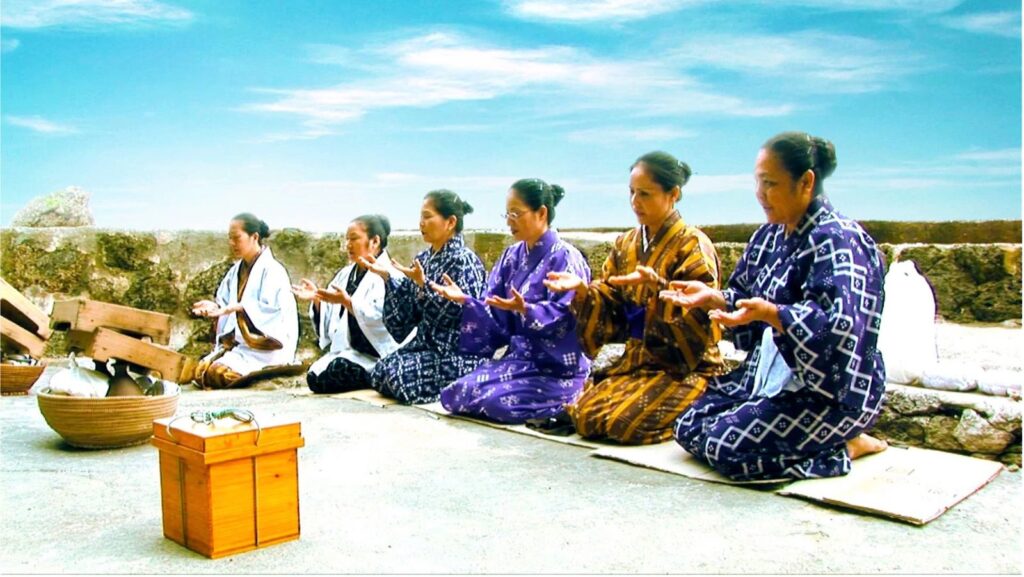
We were talking about your curiosity for local music. I would also like to ask you about the Sketches of Myahk documentary and project.
On the island, they call it Myakh, though in Japanese we say Miyako. It has a deeper meaning—something like the spiritual center of existence.
I remember you saying that this was a kind of traditional music that no longer exists.
I didn’t have any particular reason to go, but I felt the island might be a good place to find a trace, or even just a scent, of ancient Japan. I went there without any prior knowledge and started talking to people. One day, I learned that women over 50 wore white kimonos and sang together at night. They did this to speak with the gods. I was surprised that the tradition was still alive. I knew that these kinds of ceremonial rituals had existed in Okinawa until the mid-1970s, but I had no idea that Miyako had a similar tradition. It was still being carried on in only a few villages. I spoke with one of the oldest women involved, a very brave woman who was 93 or 94 years old. She had long since cut ties with society as we know it. They enter that life in their 50s. It doesn’t happen through any kind of application process; there are certain ways of being chosen as a “woman of god”. If you’ve seen the film, you can understand how they feel and how they carry themselves. They already know they are going to be chosen. One woman said, “I knew this tradition would come to an end, and that there would be no one left to carry on this culture. If you, as a Japanese man, want to record and preserve these songs, I will do it for you”.
I met many women who sang these songs, but because it was taboo, they were also afraid. This music is performed for god, for heaven—not for listeners. These are not party songs; they are sacred songs. I really wanted to hear them. Eventually, they rented a nursery school in the village, and I began recording their songs there. The youngest singer was 88, and two of them were over 90. They started after dark in the evening, and I recorded for six hours. We recorded many songs, and a record label released them under a global music imprint. It became something you could buy as a CD on Amazon. Younger generations saw this and began to think, “If the people before us were able to do this, maybe we can do it too”.
Later, there was another great coincidence. At a fisherman’s place on a small island, I was asking, “Do you know anyone who sings these kinds of songs?” One of the waiters told me that a friend’s mother had once been a priestess. The next day, I was recording in their house. She told me she knew that some elderly women in the village had made a CD. So they were aware of what had happened, and that made us feel relieved. We did the same thing with them, and that became the second album.
For two years, I kept traveling back and forth to Myakh Island, Miyako Jima, and continued my research. The stereo sound of the CD wasn’t enough for people to understand the atmosphere in which we had made the recordings. So I decided to document the process with a film director. I knew someone I thought would be interested, but at first he wasn’t very enthusiastic. I organized a three-day concert series in Tokyo featuring spiritual songs from Miyako Jima. There were more than 20 singers, ranging in age from 60 to 90, some of whom traveled with doctors. All three days sold out. After that, the director also decided to go to the island and make the film, because something had finally pushed him. He understood how serious it was. It felt like a kind of sign, because these women had broken a taboo by singing their spiritual songs outside the island, in Tokyo, for the first time. It was a very, very special concert. Everyone says the same thing.
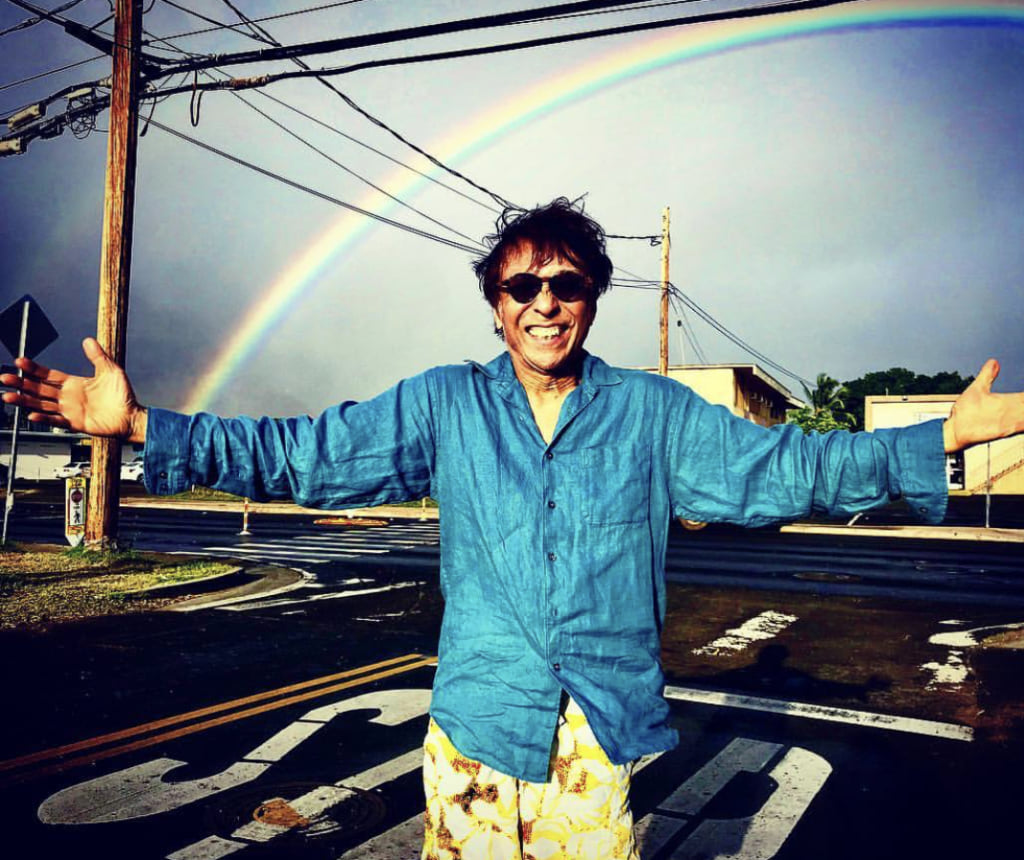
After the second concert, at around 6 pm on a bright summer evening, a huge rainbow appeared above the concert venue. No one knew why or how it happened, but I remember that they had sung a rain prayer because their islands were suffering from severe drought. No one had noticed it, but for a very brief moment, it had actually rained. It felt like a great celebration.
“Shortly after our plane took off from Miami, it had to make an emergency landing in the Bermuda Triangle. They announced that there was a leak. I think they threw out some of the luggage to lighten the plane and all my master tapes were among these luggages.”
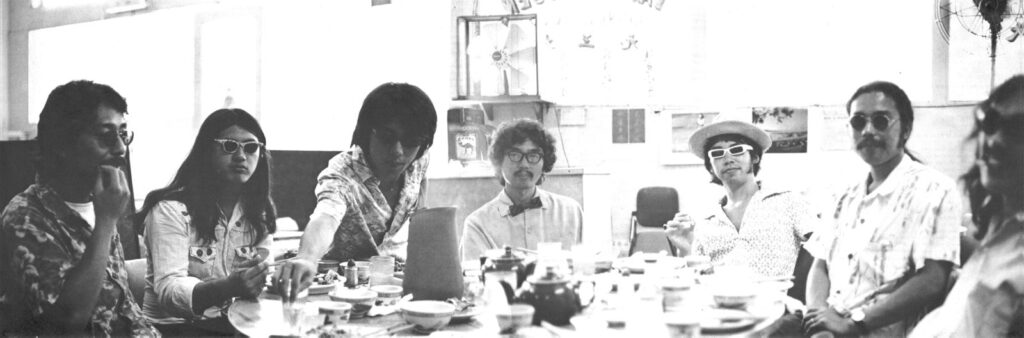
So tonight, once our conversation is over, will you go back to the studio and continue working on your remasters?
Yes. I also need to prepare something for a major record label, but I’m not sure whether the project will actually come to completion. They keep telling me, “Do this this way, do that that way”, and when that happens, I tend to leave projects behind. That’s just how I am. Still, I’m excited about this one because it includes some of my songs that have never been heard before.
For example, I once published a book about global music. I also prepared a companion CD for the book. But people who read books usually don’t listen to the songs. Even if the book sold well, the music was a separate matter.
A long time ago, I composed music for PlayStation. From the very beginning, I had one condition for doing it: I would only do it if they managed to get Debbie Harry to sing on it. And they actually got Debbie Harry. So I composed a piece for a PlayStation game. Debbie Harry wrote the lyrics and sang the song. But not that many people heard it. Crazy, isn’t it?
Because of industry standards, the rights to game music always remain with the game companies. That’s a strange thing. The music is secondary in a way. The purpose isn’t really to make music, but to help the game. Debbie understood that. She probably received a good sum for writing the lyrics and recording the song.
I had met her in 1988. I had lost all my master tapes while traveling between Jamaica and New York. It was a very difficult time. I was staying at the Gramercy Park Hotel when Debbie and Chris (Stein) knocked on my door, holding plastic garbage bags full of their clothes. Very New York style—and a wonderful way to meet a superstar! The photographer Bob Gruen had told them about the problem I was going through. So they came to check on me.
Let me also tell you the story of how the recordings were lost. Shortly after our plane took off from Miami, it had to make an emergency landing in the Bermuda Triangle. They announced that there was a leak. I think they threw out some of the luggage to lighten the plane and all my master tapes were among these luggages. I remember seeing white whales. We were in the Bermuda Triangle—sharks, aliens, anything could happen. I had already started writing my will on the plane, saying to Toshiba EMI, “Please find these tape reels and mix them”. We survived, but the recordings were lost. It’s not something I would normally do. Normally, I would take the tapes with me into the cabin. I had my first gout attack that day. Maybe my uric acid level shot up because I had eaten too quickly. I even thought perhaps someone had put a spell on me. I tried to remember whether there was any musician I hadn’t paid properly.
I remember it with a pain as if I had sent my child off to war and they never came back.

A place in TOKYO, where MAKOTO KUBOTA finds peace
Jozaiji Zen temple, or my home studio.
A place in TOKYO, where tourists should explore more, according to MAKOTO KUBOTA
The neighborhoods along the Setagaya train line. It’s a very different Tokyo experience.
MAKOTO KUBOTA’s favourite late-night eating spot in TOKYO
A restaurant called Kong Tong in Setagaya, where I live.
Something MAKOTO KUBOTA would wish to change in TOKYO
I wish trains and buses ran 24 hours.