

An unlikely blend, a timeless resonance: SUZUMENO TEARS
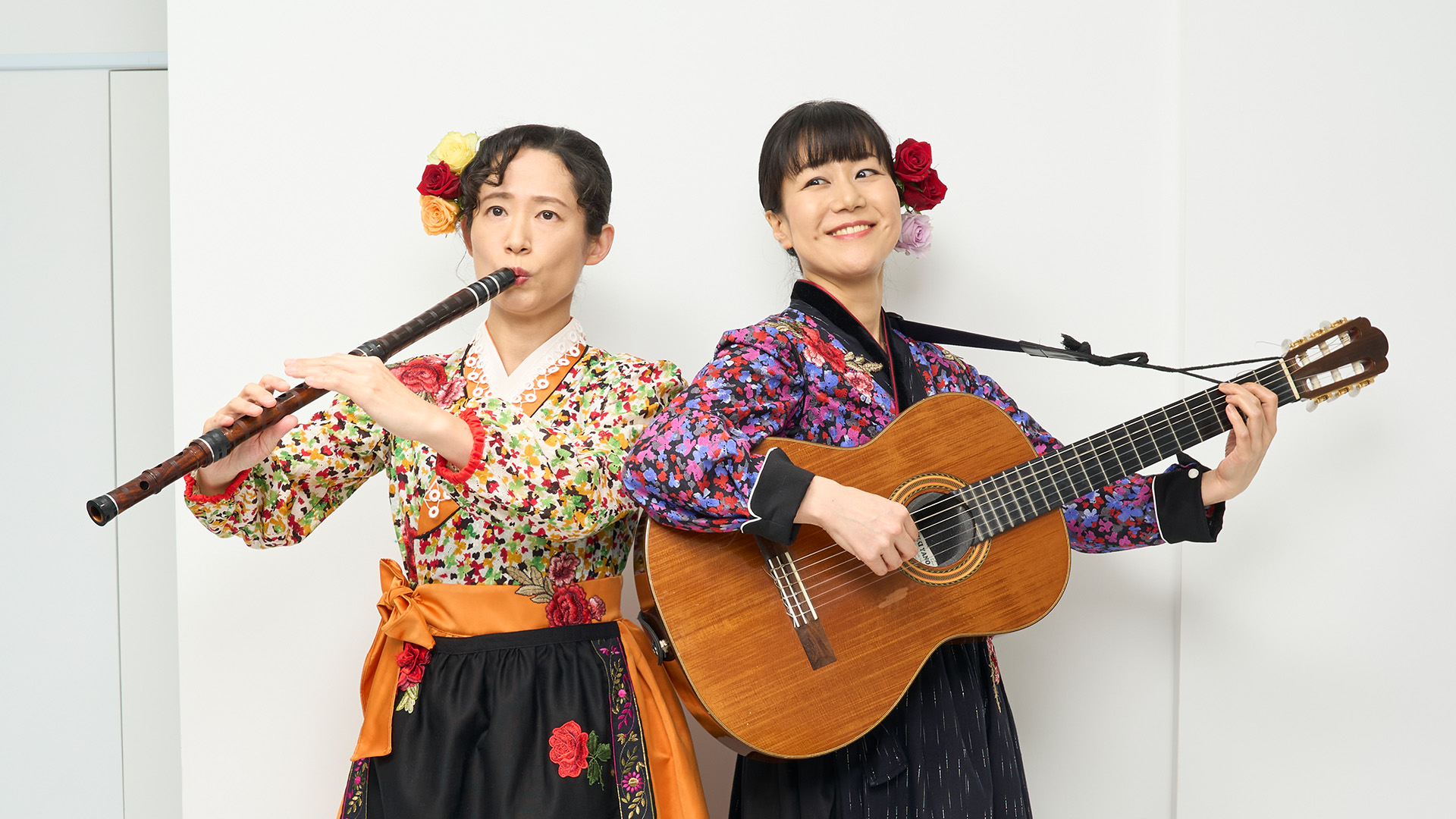
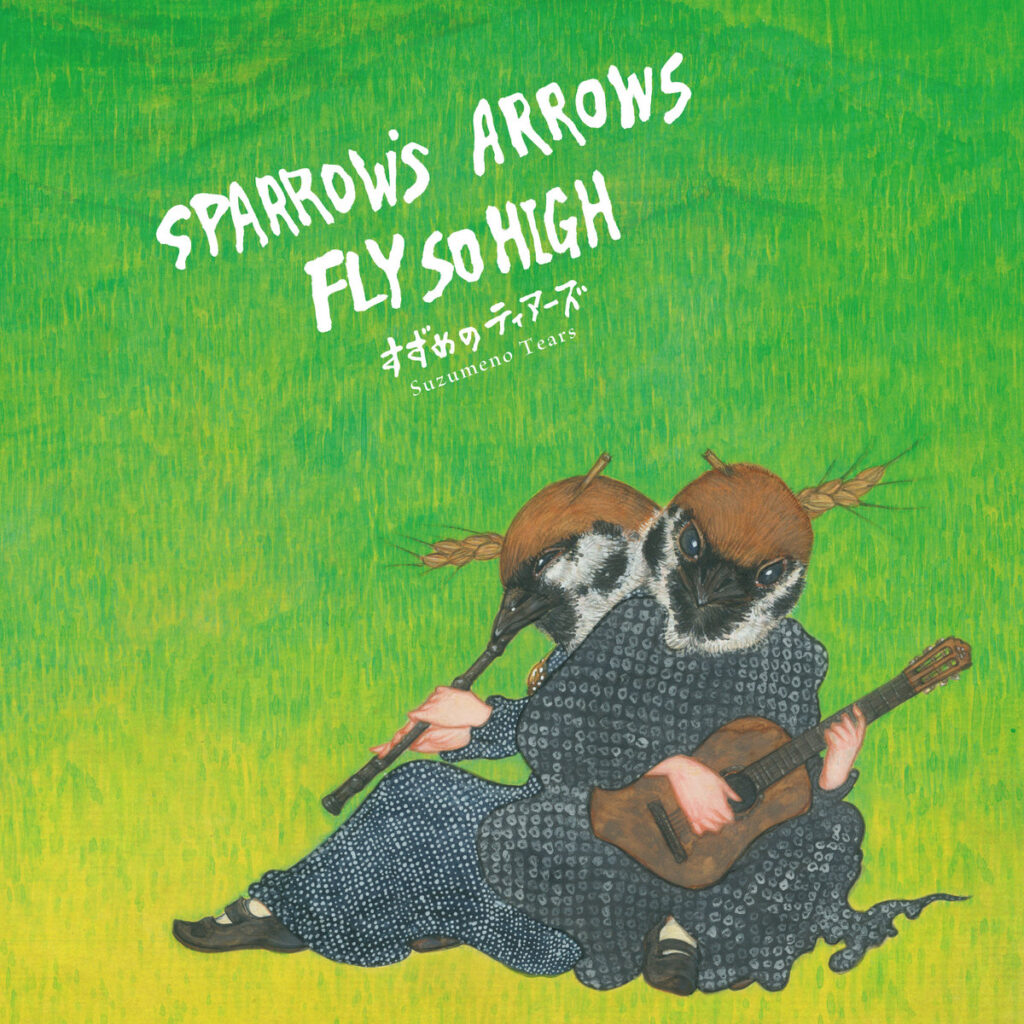
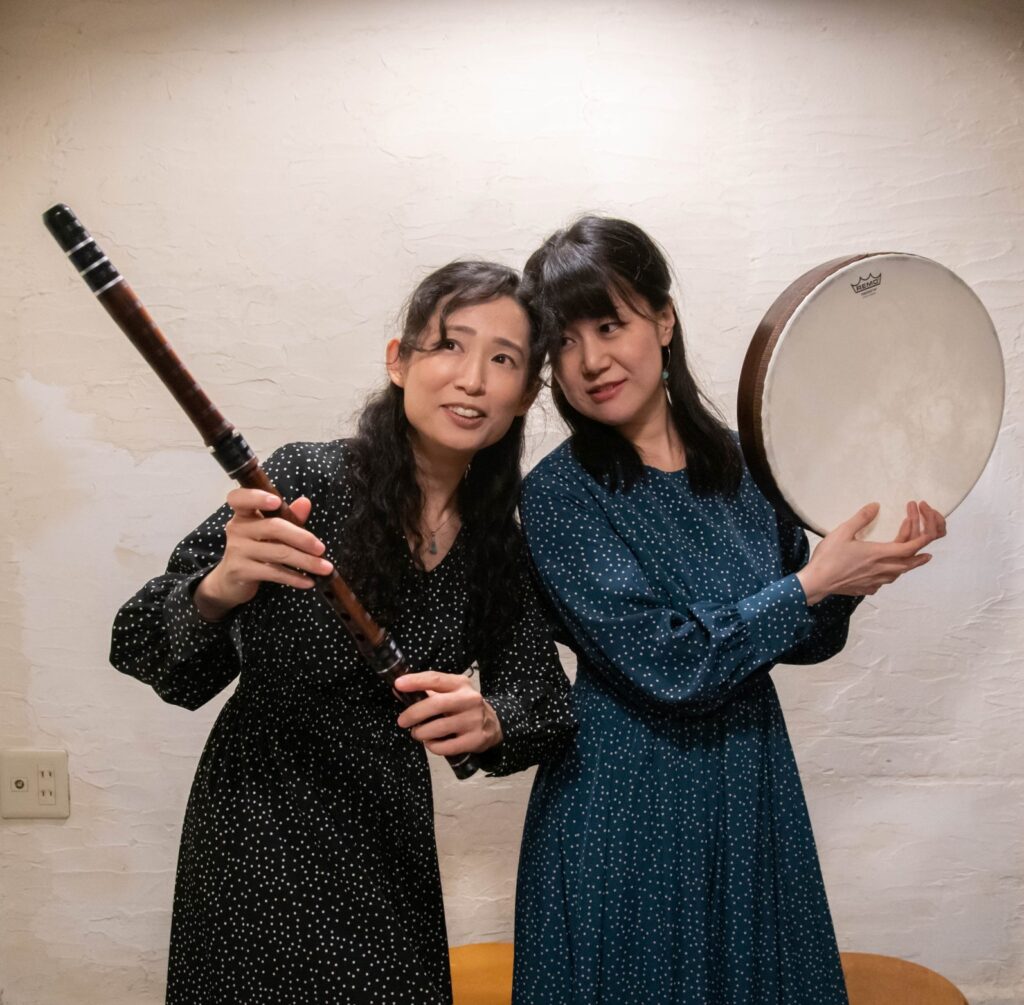
Among the freshest and most intriguing names to rise from Japan’s music scene lately is Suzumeno Tears, the inspired collaboration of Miyuki Sato and Agatha. What could have easily sounded like an improbable experiment—melding traditional Japanese folk with the polyphonic intensity of Balkan music—flows from them with effortless authenticity. Their 2024 debut album Sparrow’s Arrows Fly so High has been celebrated across the world music community, securing them attention not only at home but internationally.
Tune in:
Musicologist and modern music historian Wajima Yūsuke perhaps offered the most fitting description of the album Sparrow’s Arrows Fly so High:
“It sounds as if, after digging ever deeper beneath their own ground in Japan, Bulgaria, and elsewhere, they happened to meet by chance at the center of the Earth. What a blessing.”
Miyuki Sato: “What first intrigued me when I started listening to Japanese folk was the lyrical themes: the back-and-forth of romantic courtship, or the parent-child exchanges in arranging children’s marriages…”
Your music blends traditional Japanese folk with Balkan polyphony. How did these two worlds come together for you?
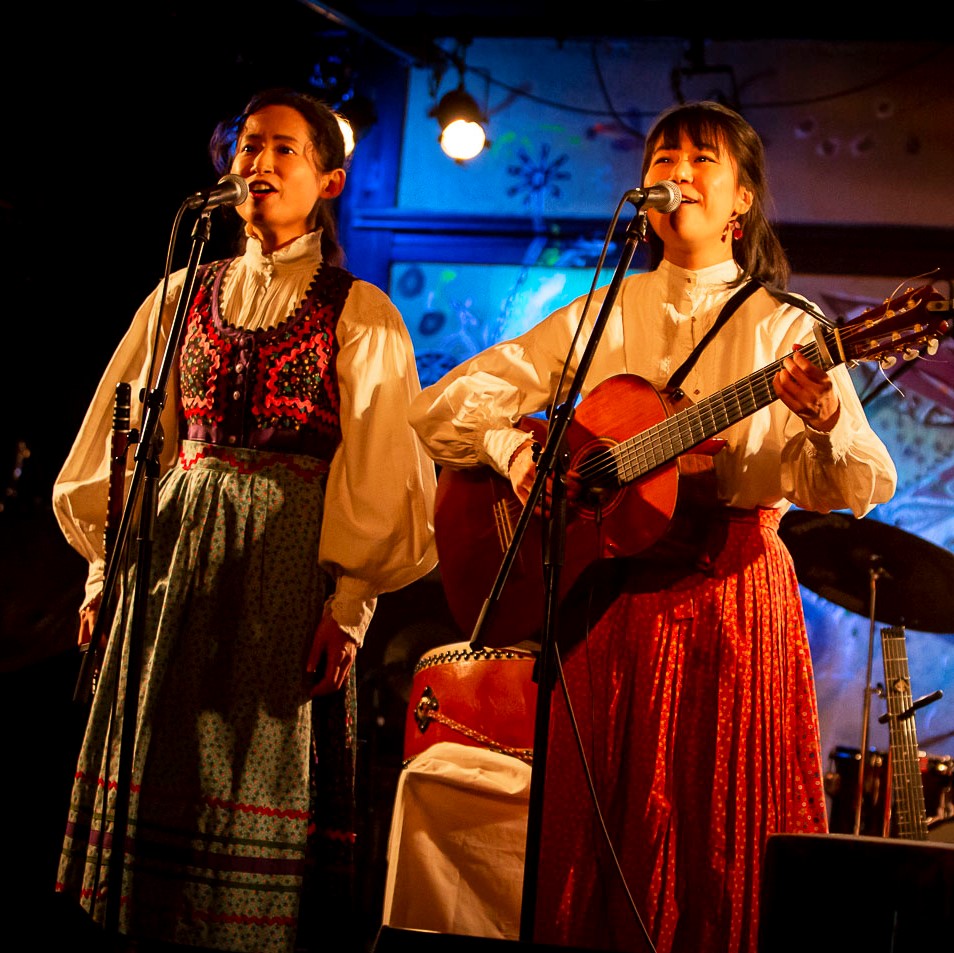
Miyuki Sato: All of Suzumeno Tears’ vocal arrangements, including the harmonies, are done by Agatha. We have Bulgarian and Serbian songs in our repertoire, and our music is characterized by two-part harmonies. However, the harmonies that Agatha creates are different from those in the traditional Balkan style.
I feel she fuses Japanese folk and Balkan regional folk music with a third element: her distinct element to create a unique blend.
Agatha: For me, it just happened that Miyuki was a singer of Bulgarian and Balkan folk songs. It wasn’t like we intentionally set out to combine Balkan music and Japanese folk. To be honest, it was all just circumstantial.
As for polyphony, I’ve always loved adding harmonies since I was a child, and used to make multitrack recordings with an MTR. I especially loved the resonance created when harmonizing with a strong chest voice, so Miyuki was a perfect partner.
The way I add harmonies isn’t particularly based on traditional Bulgarian techniques (with some exceptions). If anything, it might be closer to the Beatles.
Miyuki, how did your interest in Bulgarian music begin? What emotional connection do you find between that sound world and Japanese folk?
Miyuki Sato: I was first interested in Bulgarian folk dance. A friend of mine was performing Bulgarian dances in a university folk dance circle, and after watching, I wanted to try it myself. I joined a community Bulgarian dance group for working adults.
When I traveled to Bulgaria with fellow dancers, I had the chance to hear both village folk ensembles and professional choirs—and both moved me deeply. That’s when I decided I wanted to sing Bulgarian folk songs myself and began studying them.
After I began singing Bulgarian folk music at live venues in Tokyo, I connected with musicians from other genres and Japanese folk singers, which in turn sparked my interest in Japanese folk songs—my own roots.
What first intrigued me when I started listening to Japanese folk was the lyrical themes: the back-and-forth of romantic courtship or the parent-child exchanges in arranging children’s marriages—themes that felt surprisingly similar to Bulgarian lyrics.
Both in Japan and Bulgaria, vocal ornamentation and phrasing vary by region, and I find that rich and fascinating.
How does performing Balkan and Tuvan music in Japan shape your connection with the audience? How have people responded?
Miyuki Sato: Many people who come to our shows seem unfamiliar with Balkan or Tuvan music, but I think they still enjoy listening to it.
Agatha: I think they love those exotic essences inserted among Japanese traditional songs, which should be familiar to them.
Agatha: “Folk songs feel different. […] They’ve been stripped of raw personal emotion, which makes them easier to sing—like landscape paintings.”
What do you think makes Japanese folk music special and different?
Miyuki Sato: I believe every culture’s folk music is special. But what makes Japanese folk music special to me is that the lyrics are in my native language. Also, Japan has a style called ohayashi—call-and-response—which allows the audience to participate, and I think that’s wonderful. This kind of style likely doesn’t exist in Bulgarian folk music.
Agatha: Since I was a teenager, I used to compose, perform, and record my original songs. But gradually, I began to feel like I had nothing to say—or didn’t want to say anything—and lost interest. Apart from my love for the Beatles, I didn’t even want to cover other people’s songs. I lost interest in so-called pop music. It’s like… I didn’t want to sing about people’s emotions, including my own.
In contrast, folk songs feel different. I think the lyrics have been passed down through generations, fermented, and polished over time. They’ve been stripped of raw personal emotion, which makes them easier to sing—like landscape paintings.
Maybe it’s also just that the old expressions and lifestyles depicted in the lyrics don’t directly link to my current self, so I don’t feel that uncomfortable emotional rawness.
How do you Tokyo, as a city, has influenced your music?
Miyuki Sato: Tokyo is the capital of Japan, with a huge population and many musical communities across genres. There are also diverse ethnic music groups—not just from Japan, but also from Turkey, Tuva, India, Fado, Lithuania, and more. Interacting with them often inspires me to try new songs and motivates me creatively.

TEENAGE KICKS: SUZUMENO TEARS’ early influences in JAPAN
Miyuki Sato: Shodai (The 1st) Sakuragawa Tadamaru. The inspiration for Suzume no Tears’ “Polyphony Goshu Ondo” came from when I followed Agatha into enrolling in his Goshu Ondo correspondence course. He was a singer of Goshu Ondo who rose to prominence during the world music boom in the 1980s and 1990s, always thinking about how to entertain dancers and audiences with new ideas.
His voice and phrasing (ornamentation) were incredible, and he taught me the unique world of ondo—something different from folk songs.
Agatha: This is a hard question too, as I’ve been forgetting my childhood memories… but Osamu Tezuka, the manga artist, is one. Definitely, I’ve learned a lot from his works.
One thing SUZUMENO TEARS would wish to change in TOKYO
Miyuki Sato: Due to climate change, Tokyo summers are getting hotter every year. It’s already well over 30°C in June. More and more people are suffering from heatstroke at outdoor events during the day. I think it might be time to reconsider the scheduling and locations of such events.
Agatha: It’s too hot in summer. We need more green in the city (but actually they are reducing it)!