

Ice Cream Punk: TsuShiMaMiRe
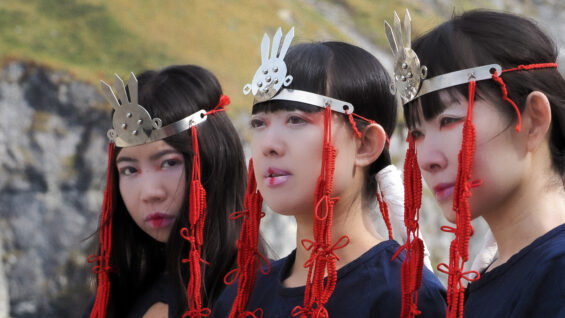
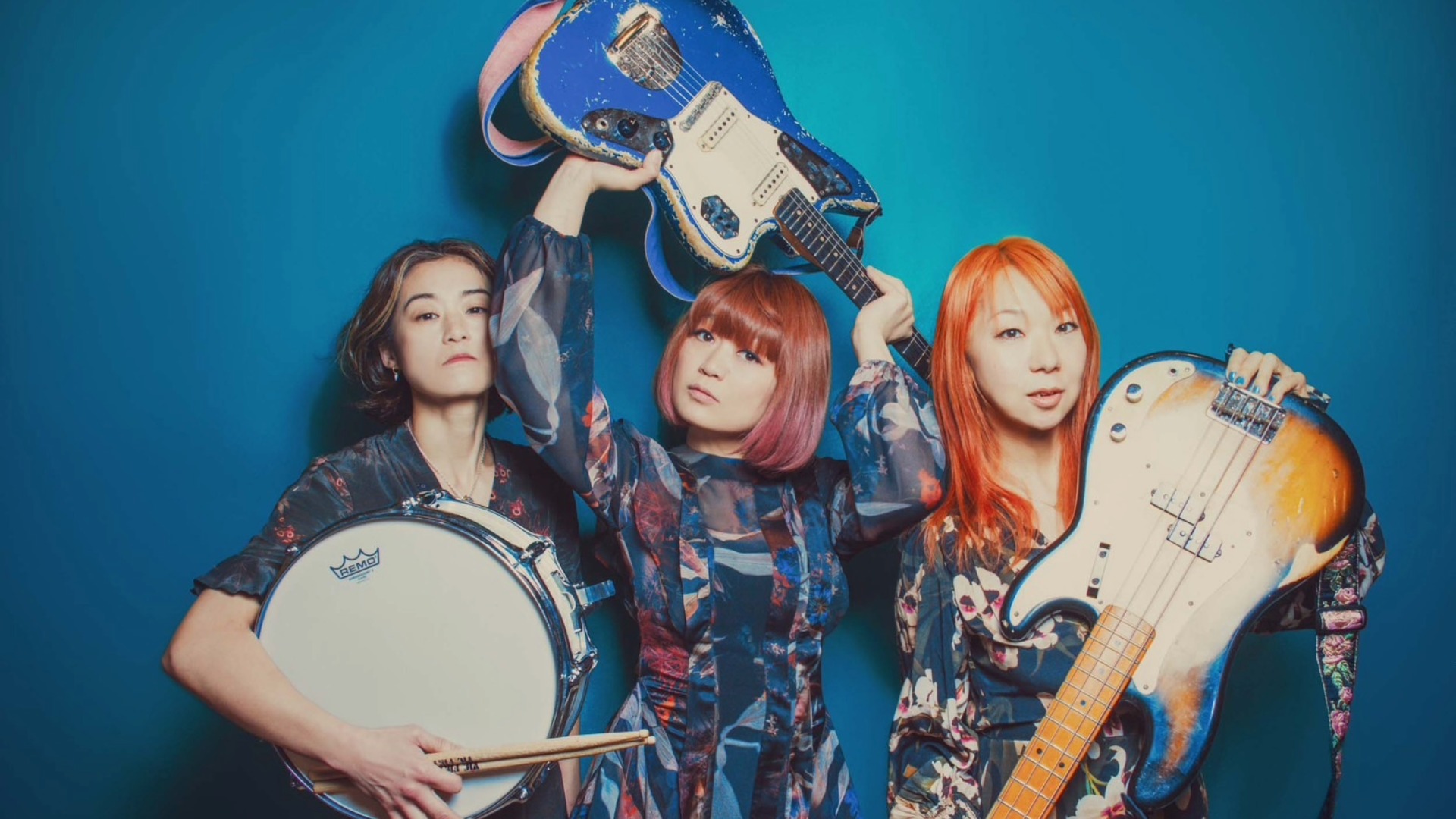
Japan’s colorful punk scene has an undeniable tradition and culture. This aesthetic, which has reinvented itself from the 1980s to today, has not remained confined within the country. Many bands of the movement have gained audiences abroad and gone on international tours. Among them, one group stands out: TsuShiMaMiRe, formed in the late 1990s by Mari, Yayoi, and Mizue, who have continued their output and performances ever since. Vocalist and guitarist Mari responds our questions.
Tune in:
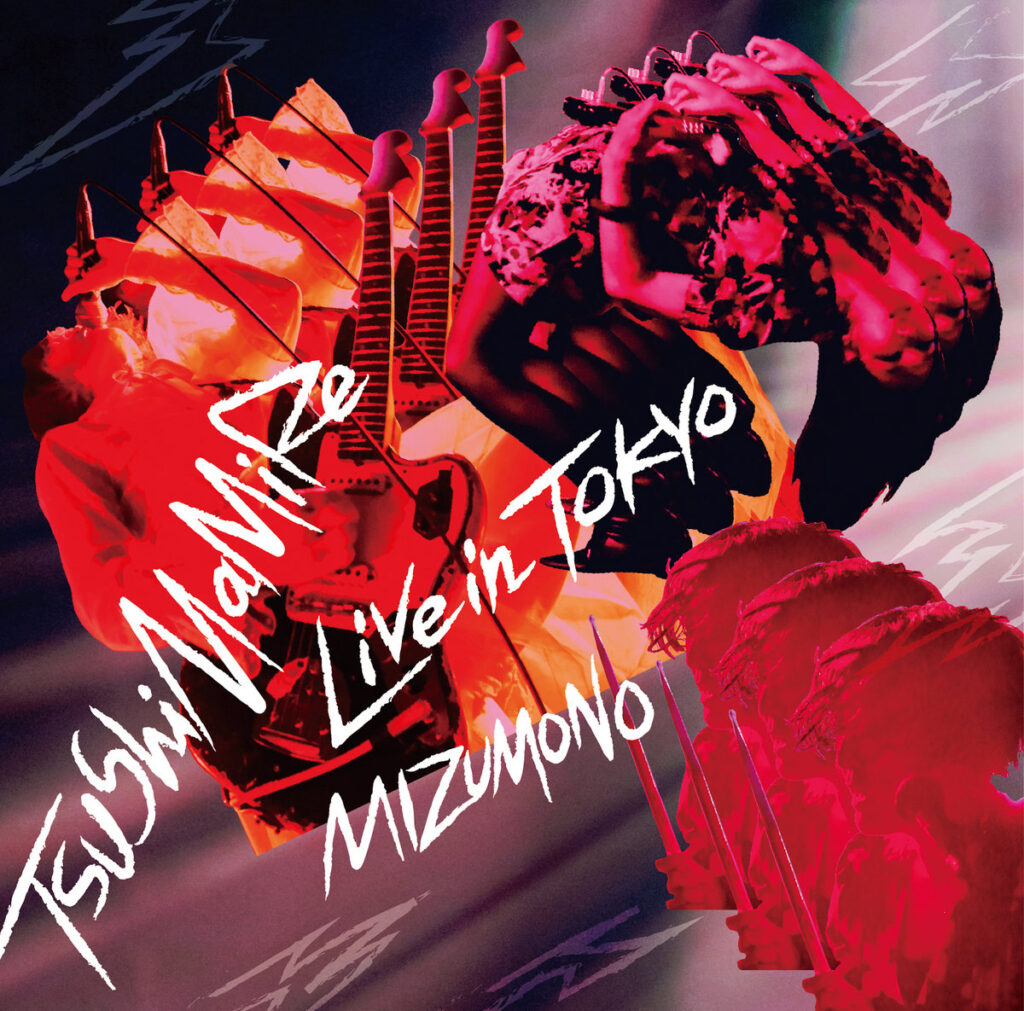
Released in February 2025, the 18-track LIVE IN TOKYO 2024 – MIZUMONO album brings together performances selected from the final concert of the band’s 25th anniversary tour in Japan. Recorded on July 6, 2024 at Shibuya CLUB QUATTRO, the set unites the group’s repertoire spanning many years within a single, continuous stage flow.
Featuring tracks such as “Speedy Wonder,” “YORI MODO SHICHUU,” and “MATSURI,” the recording channels the band’s art-punk and alternative rock vibrations with a rawer intensity than their studio versions.
“I want to turn the words that come straight from my heart into songs. That’s why I value our native language, Japanese, so much. I love wordplay, so there are lots of double meanings in our songs.”
Where and how did the band’s story begin? What brought you together?
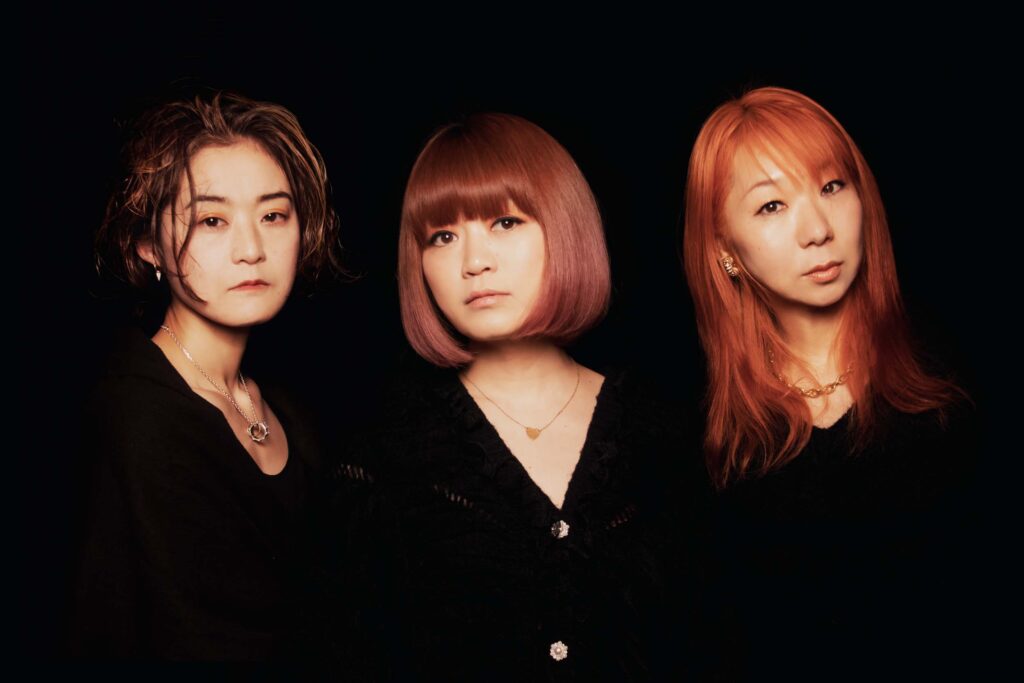
In 1999, at Chiba University’s music club, Mari, Yayoi, and Mizue met and formed the band. The spark came from my desire to create a “cool” three-piece band of women, inspired by Blankey Jet City. After watching one of their concerts, I felt an overwhelming admiration and excitement. That led me to invite Mizue (our first drummer) and Yayoi to join. Blankey Jet City eventually disbanded, but they remain a legendary three-piece in Japan.
Your style is prolific and blends many different genres. Where do you usually start when creating a new song?
We draw inspiration from our surroundings and everyday life. For lyrics, it’s the small details of daily life—food, love, existence… I want to turn the words that come straight from my heart into songs. That’s why I value our native language, Japanese, so much. I love wordplay, so there are lots of double meanings in our songs.
Our music is sometimes born from a melody I hum, and other times from a bass line or guitar riff. For arrangements, we incorporate elements from rock, pop, hip hop, metal, world music, and more, adapting them into our trio format (vocals / guitar, bass, and drums). That’s what makes our style so diverse.
What’s the secret to bringing such high energy to the stage for so many years?
Above all, it’s our constant desire to share our music with more people. We always feel it’s not enough yet. The energy comes from wanting to spread the music we love and believe in. And because we draw from so many genres, every new song feels fresh. We feel there’s still so much left to do.
What music and bands influenced you when you first formed in 1999? Has that changed over time?
As I mentioned earlier, we started as a cover band of Blankey Jet City, who are now legendary in Japan. I still love them deeply, and the solo works of their members (Kenichi Asai, Tatsuya Nakamura, Toshiyuki Terui) also inspired me.
Over time, our inspirations have shifted and diversified. Personally, I’ve drawn inspiration from The Velvet Underground, Television, Talking Heads, David Bowie, Pixies, Bob Dylan, Franz Ferdinand, and The Shins. I also love the American cowboy music of Marty Robbins. As a band, Rage Against the Machine and Sparks are common favorites.
As a vocalist, I’ve been influenced by Seiko Matsuda from Japan and internationally by Kate Bush, Cyndi Lauper, and Françoise Hardy.
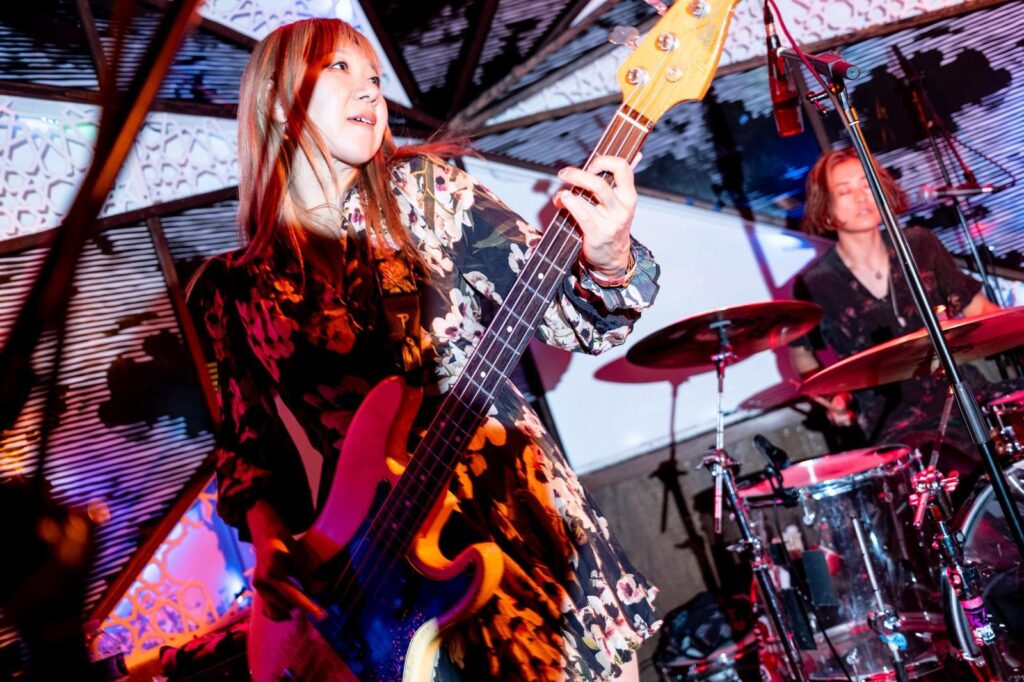
You’ve performed outside Japan as well, in the U.S. and Europe. How do you feel about touring abroad? How would you compare Japanese audiences with Western audiences?
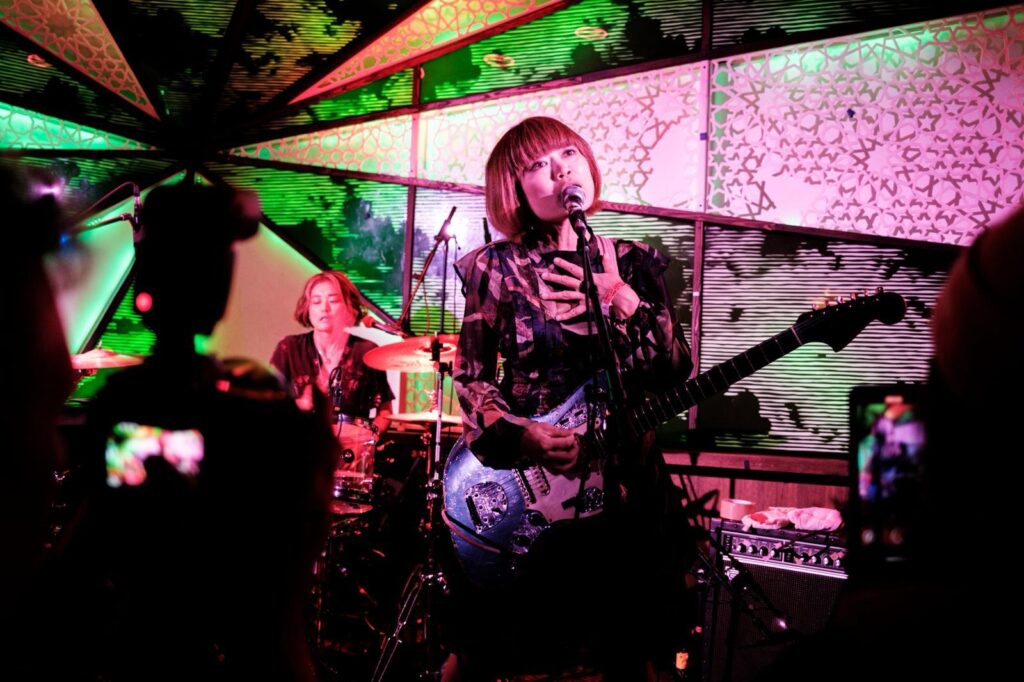
Our first overseas show was in the U.S. I remember being struck by how American audiences would cheer and fully enjoy the music—even for bands they didn’t know, regardless of popularity, as long as the music was cool. That gave us huge confidence at the start of our career.
After nearly 20 years of performing worldwide, we’ve come to realize that, at the core, there’s no difference. Whether in Japan or elsewhere, people can get excited about music. There are fans of the music we love all around the world.
How would you compare the music scene in 1990’s Tokyo with today?
In the 1990s, I wasn’t in Tokyo but in neighboring Chiba, enjoying music. Back then, there were no smartphones or digital streaming. People would go to CD shops to discover cool new sounds, and radio, magazines, and word-of-mouth from friends were important sources of information.
Today, streaming platforms give us unlimited access to new music, and the internet and social media make it easy to find information. Spotify recommends new tracks, and old music is easy to dig up—I’m personally happy about how much easier it is to discover things I didn’t know before.
But the thrill of discovering something by chance—through CDs, vinyl in a shop, or at a live venue—was probably stronger back then.
Can you recommend some young Tokyo bands you personally like for our readers?
Right now, there may not be anyone in particular. Sorry!
Some places in TOKYO that inspire and nourish MARI the most
Sangenjaya and Shimokitazawa. In Sangenjaya, I run a clothing and accessory shop called Mariya, where we also sell TsuShiMaMiRe’s CDs and vinyl. Talking with customers and creating new work there is precious to me. I also love painting, so in my free time, I paint with acrylics or draw comics in the shop.
I also learn about new music in bars in Sangenjaya and Shimokitazawa, and chatting with friends in izakayas—hearing their life stories or just silly conversations—gives me new inspiration.
What MARI misses most about TOKYO, when she’s on tour
My favorite ramen shops!
Washo (和正) in Sangenjaya
Ichiryu (一龍) in Shimokitazawa
Those are my favorites.